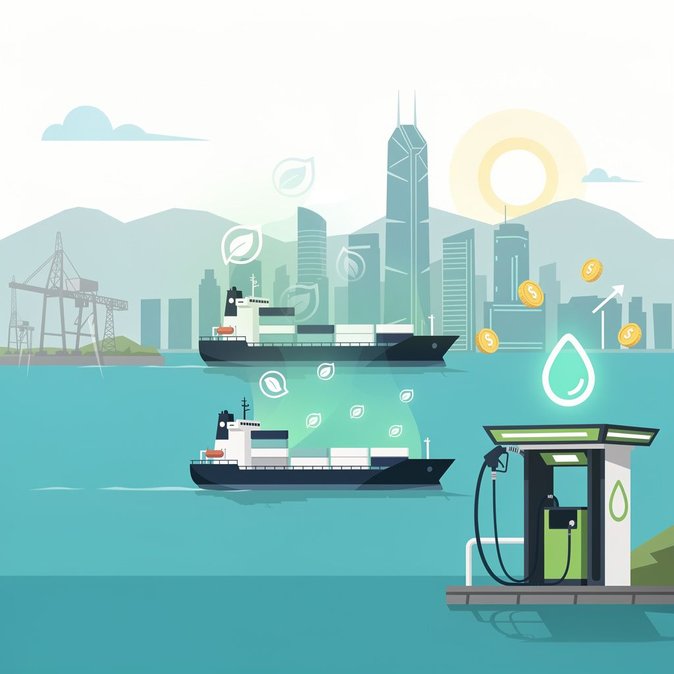
The Marine Department has released details of two new schemes—the Green Vessel Registration Incentive and a Port-Dues Rebate—designed to make Hong Kong a preferred stop for ships powered by LNG, methanol, ammonia or hydrogen. The measures, announced on 24 June and funded in the 2026 budget, set aside roughly HK$34 million for direct shipowner grants and fee discounts. Under the registration incentive, Hong Kong-flagged vessels can claim up to HK$60,000 per year for three years if alternative fuel is their primary propulsion. Separately, visiting green-fuel bunker vessels or ships calling for bunkering can reclaim 25-50 percent of port dues—worth about HK$12,500 per call for a large container ship. Officials say some 70 green-ready ships are already on the Hong Kong Shipping Registry and predict another 100 by 2029. A coastal site at Tsing Yi South has been earmarked for dedicated green-fuel storage, and visiting bunker tankers will receive temporary local-vessel licences exempting them from port dues. While the policy is maritime-focused, it will indirectly benefit global mobility: an expanded green-fuel network supports airlines’ sustainable-aviation-fuel ambitions and reinforces Hong Kong’s positioning as a regional logistics hub attractive to multinationals looking to meet ESG targets. Shipping analysts note Hong Kong’s approach—financial carrots first, regulation later—contrasts with the EU’s Emissions Trading Scheme that begins covering shipping in 2027, giving the SAR a first-mover advantage in Asia.
Source: SAFETY4SEA
How VisaHQ can help
VisaHQ simplifies the visa application process for individuals and businesses. Check current travel requirements, prepare the required documents and manage your application online through the VisaHQ Hong Kong portal.More From Hong Kong
View all
HK retirees in Guangdong & Fujian can receive social-security allowance directly in mainland bank accounts from July
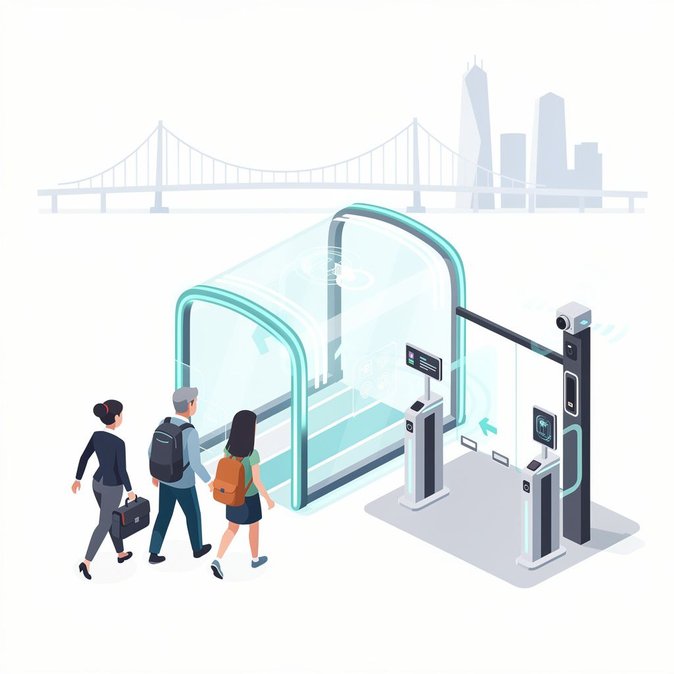
Hong Kong launches first “seamless e-channel” pilot at HZMB to cut clearance time to 5 seconds