Brazil Officially Waives Short-Stay Visas for Chinese Citizens, Opening 30-Day Visa-Free Window
France Drops Visa Requirement for Brazilians Visiting French Guiana
Brazil and France Agree to Six-Month Visa-Free Pilot for Travel to French Guiana
Latest News
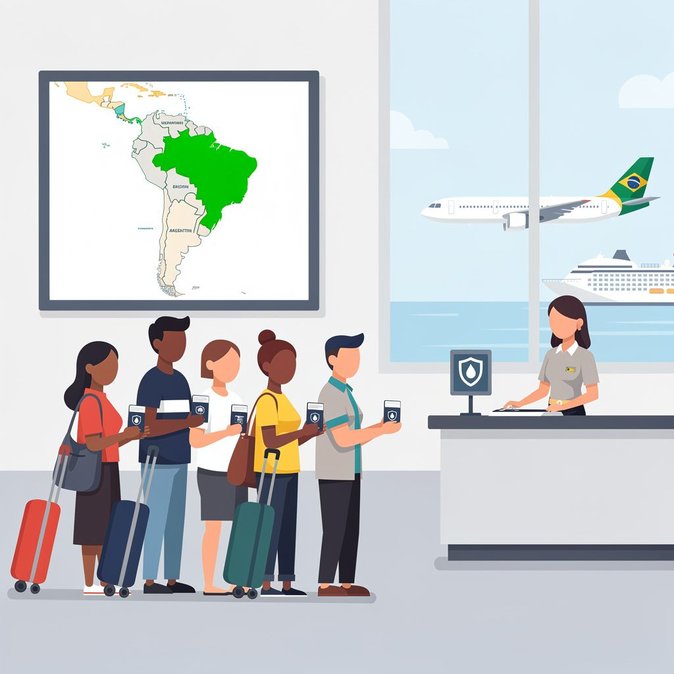
Brazil to Require Hepatitis A Vaccination Proof from All International Arrivals
An ordinance issued 3 July requires every overseas visitor to Brazil to show Hepatitis A vaccination proof from 1 August 2026. The health-security measure affects airlines, cruise lines and global companies rotating staff through Brazil, and aligns with similar rules in Argentina and Chile.

Brazil unveils first National Plan for Migration, Refugee and Statelessness (I PlaNaMigra)
Brazil published its first National Plan for Migration, Refugee and Statelessness on 3 July 2026, turning broad policy goals into 62 time-bound actions such as 30-day residence-permit renewals, an online BI dashboard and quarterly hearings with business. The plan gives companies clearer processing timelines and new consultation channels, promising greater predictability for hiring and relocating international talent.
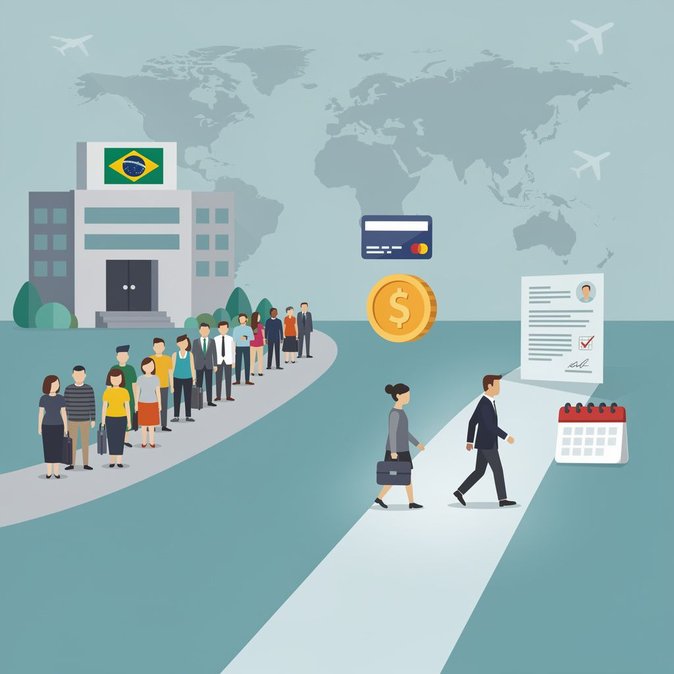
New US ‘Fast-Track’ Fee Lets Brazilians Skip Months-Long B-Visa Wait – at a Price
From 3 July, Brazilian B1/B2 visa applicants can pay a US$750 surcharge for an interview within ten days, slashing waits that often exceed eight months. The pilot benefits business travellers but raises equity concerns and may set a precedent for other high-demand consulates.
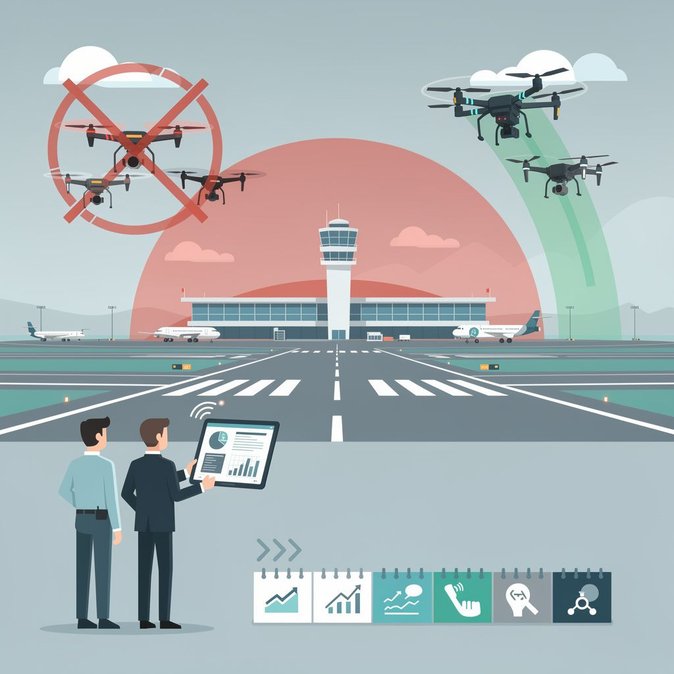
ANAC Tightens Drone Rules After Airport Incidents, Gives Operators Two Years to Comply
On 3 July 2026, Brazil’s aviation authority ANAC issued a risk-based drone regulation that bans recreational drones near airports and sets stricter certification paths for advanced operations. Companies have a two-year transition window, but airport ‘no-fly zones’ take immediate effect, directly impacting flight operations and business-critical drone projects.

Federal Police Bust Human-Trafficking Ring Moving Brazilians to Europe for Forced Labour
Operation Rota Amazônica dismantled a network that lured Brazilians to Germany and Portugal with fake job offers, confiscated their passports and forced them into debt-bonded labour. The PF arrested 12 suspects on 3 July 2026 and seized over 200 passports, highlighting ongoing risks for unregulated overseas recruitment.

Federal Police’s “Operation COPA” dismantles Brazil-Germany human-trafficking ring
Brazilian and German police arrested alleged leaders of a human-trafficking network on 3 July 2026. The ring used fake travel-agency jobs to obtain Schengen visas for Brazilian women, then exploited them in Germany. The case will tighten document checks on Brazil–EU business travel and highlights the need for companies to vet third-party recruiters and monitor crypto-linked travel payments.

“Operation Exchange” targets money-laundering network flagged by U.S. sanctions
Brazil’s Federal Police arrested 11 people and froze R $10 billion in assets on 3 July 2026 after U.S. sanctions exposed a money-laundering network linked to the PCC. Because the group disguised cash movements as legitimate business-travel expenses, companies should brace for tighter scrutiny of overseas per diems, forex purchases and relocation funds.
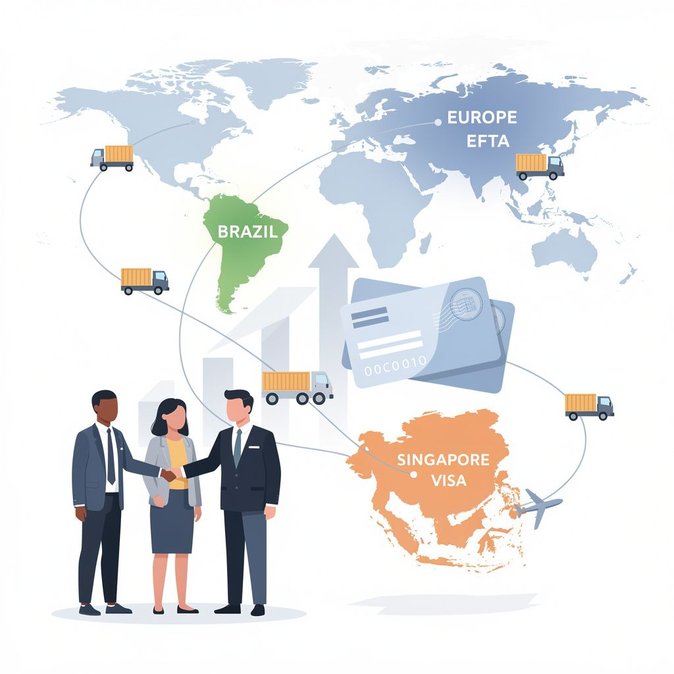
Brazil Ratifies Mercosur Free-Trade Deals with EFTA and Singapore, Opening Doors for Business Travellers
Brazil finalised the ratification of Mercosur’s trade pacts with EFTA and Singapore on 3 July 2026. Beyond tariff cuts, both agreements create streamlined visa and work-permit channels for intra-corporate transferees and skilled professionals, offering Brazilian firms faster access to European and Asian markets.
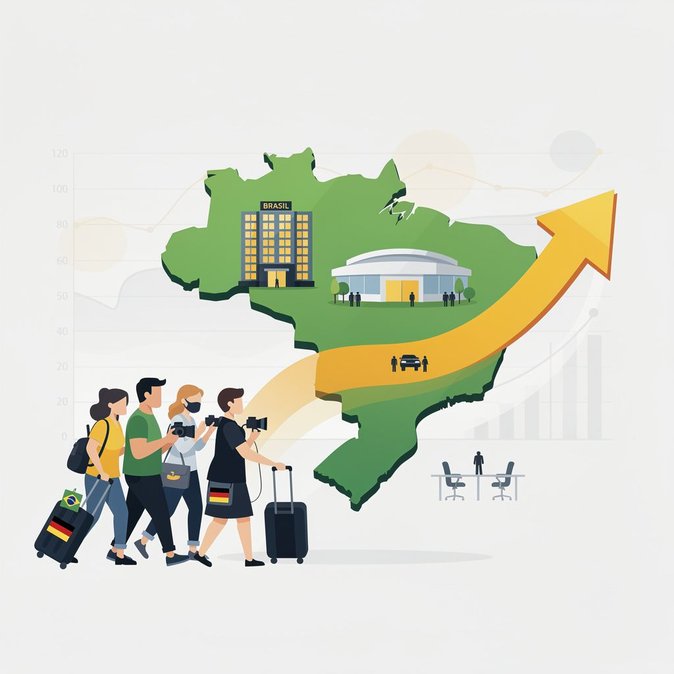
European Demand Surges: Brazil Posts Strongest German Visitor Growth Since 2008
Fresh statistics released 3 July reveal German arrivals up nearly 20 % and overall European inflows up 17 % year-to-date, marking Brazil’s strongest performance in over a decade. Tourism authorities credit targeted marketing and visa-free access, while hospitality and MICE sectors brace for capacity challenges.

Tourism Ministry Creates Brazil–China Working Group after Visa Waiver
Following May’s visa-exemption for Chinese nationals, the Tourism Ministry on 3 July formed a bilateral working group to boost arrivals, improve Mandarin-friendly infrastructure and court new air routes. The initiative seeks to turn a temporary waiver into long-term demand.
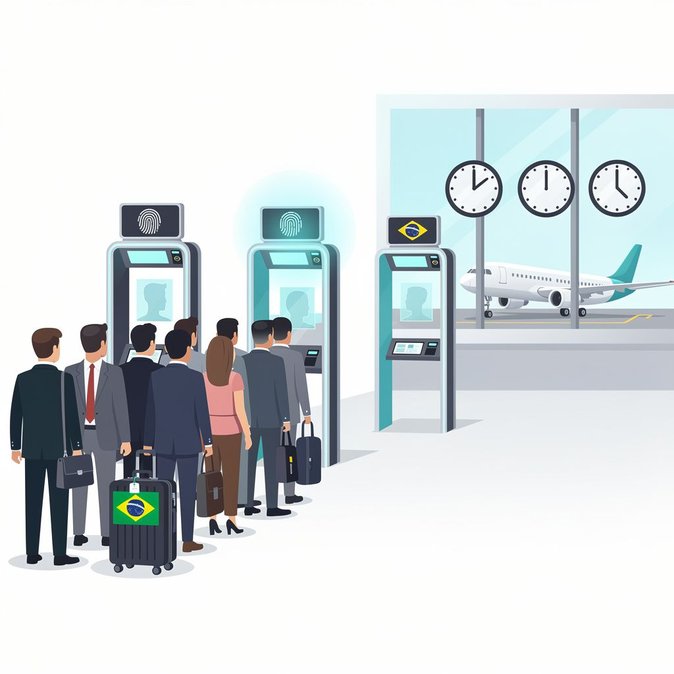
European Airports Urged to Pause New Entry/Exit System as Five-Hour Queues Hit Summer Traffic
European aviation bodies called on the EU Commission on 3 July 2026 to suspend the new biometric Entry/Exit System after record-long queues disrupted flights. The delays are already affecting Brazilian business travellers, who face longer minimum connection times and higher trip costs when transiting through major EU hubs.

Heavy fog shuts Rio’s Galeão and Santos Dumont airports, rerouting 14 flights
Dense fog closed both Rio de Janeiro airports for up to 90 minutes on 3 July, diverting eight flights and cancelling six. The disruption highlights the need for contingency planning on Brazil’s key business-travel hub and may accelerate investment in advanced landing systems.

Brazilian Consulate in Luanda Hosts Briefing on Student (VITEM IV) Visas
On 3 July, Brazil’s Consulate in Luanda invited Angolan students to a 8 July seminar explaining VITEM IV study-visa procedures, aiming to reduce high refusal rates and ease autumn-semester processing backlogs.
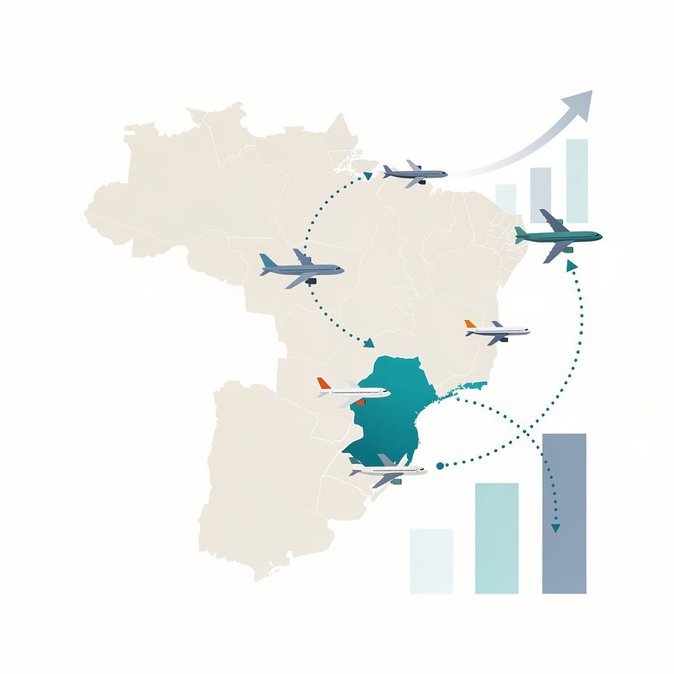
Alagoas renews jet-fuel tax break, securing record international flight schedule
Alagoas extended its discounted jet-fuel ICMS on 3 July 2026, obliging airlines to add flights and delivering a 40 % increase in international seat capacity for 2026/27. The move opens new non-stop options for corporate travel to Northeast Brazil and may influence similar tax-linked aviation incentives in other states.

Weather damage grounds Jaguaruna Regional Airport until 6 July
Jaguaruna Regional Airport cancelled instrument flights on 3 July 2026 after storm damage disabled a key wind sensor. Service is due to resume on 6 July, but the episode highlights infrastructure risks at regional airports relied on by corporate shuttles.