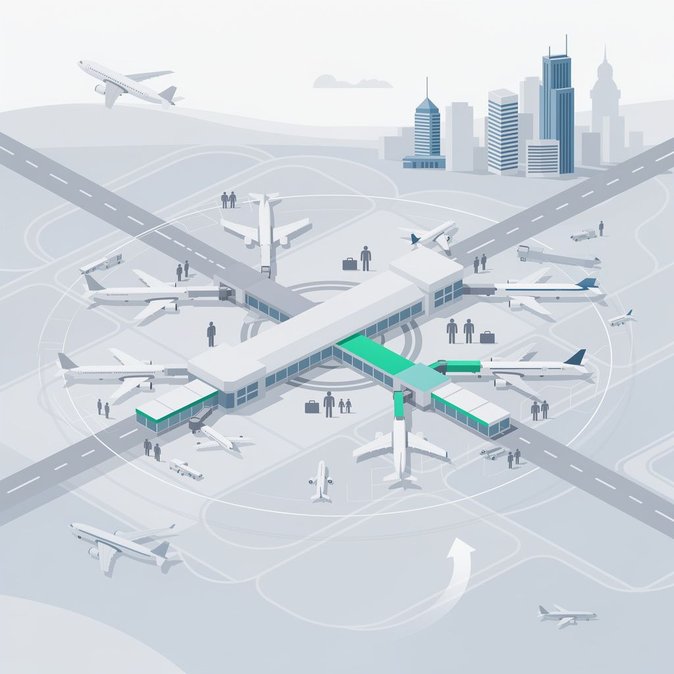
Centralny Port Komunikacyjny (CPK) – the green-field “Port Polska” air-rail hub planned 45 km west of Warsaw – will open larger than originally envisaged. In a 5 July regulatory filing the state-owned developer announced it will build an additional pier (Pier E) during phase 1, lifting annual terminal capacity from 34 million to 44 million passengers. According to board member Dariusz Kuś, three factors drove the revision: updated traffic forecasts showing sustained 8 %-plus growth in Polish air demand; LOT Polish Airlines’ decision to double its wide-body fleet and funnel 50 % of its traffic through the new hub; and firm commitments from commercial lenders that agreed to increase the credit envelope after CPK demonstrated higher early-stage returns. Construction sequencing will also change. Budimex has been awarded an early-works contract to drive 8,000 foundation piles between September 2026 and Q1 2028, enabling the larger terminal slab to be poured without delaying the 2032 opening date. Transport Minister Dariusz Klimczak framed the ground-breaking as “the moment Poland claims its place among Europe’s primary transfer hubs,” noting the airport will be connected to 2,000 km of new high-speed rail. For global mobility managers the decision is significant. A higher-capacity CPK should relieve chronic congestion at Warsaw Chopin, allow LOT to open secondary long-haul markets, and create additional premium-class inventory for corporate travel programmes. Developers also promise one-stop air-rail itineraries that could cut door-to-door times for executives travelling between regional cities such as Łódź or Wrocław and Asian or North-American gateways. Companies planning expatriate moves into Poland should factor in the revised timeline: enabling works start this autumn, earth-moving next spring, with the first arrivals and departures now pencilled in for late 2032. HR teams may wish to lock in temporary accommodation near Baranów for project assignees and monitor forthcoming public-consultation rounds on surface-access tolls.
Source: Rzeczpospolita