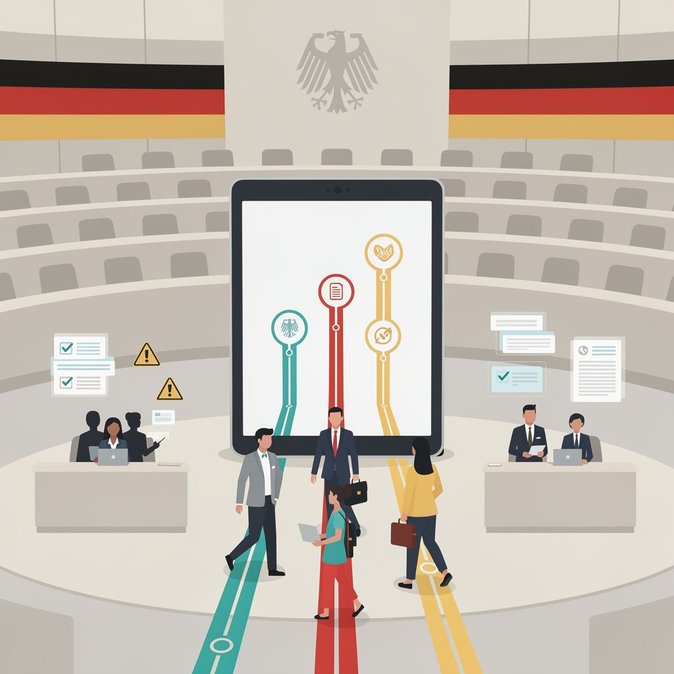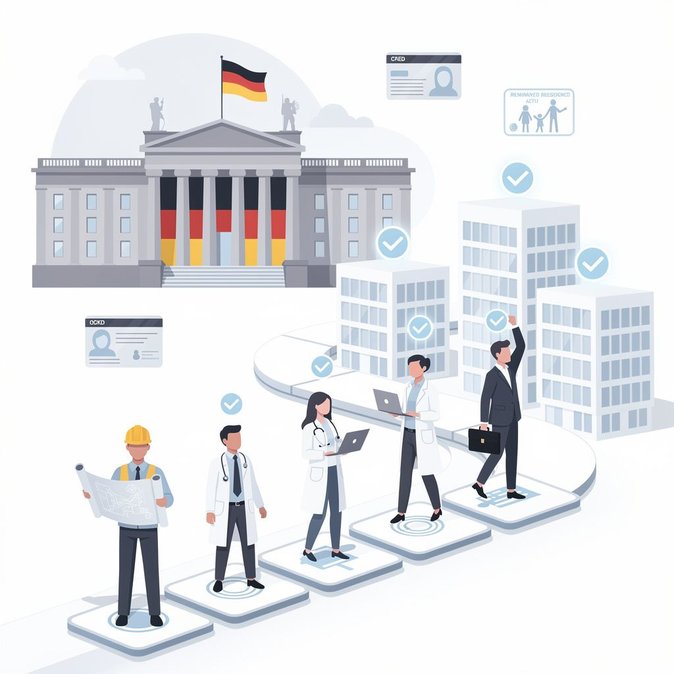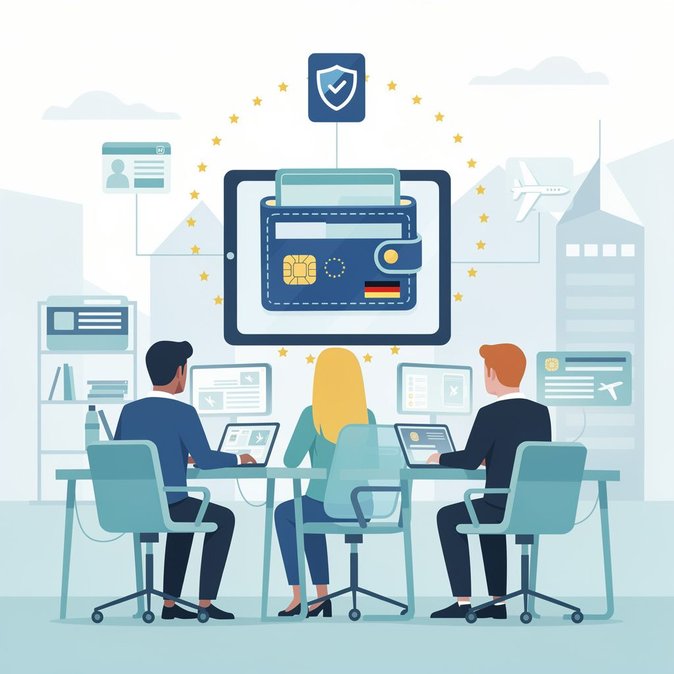
On 28 July 2026 the non-profit initiative “Wallet-Ready?!” launched a nationwide support programme aimed at helping companies, universities and public agencies prepare for the introduction of the EU Digital Identity Wallet (EUDI-Wallet) in Germany. Announced via Deutscher Presseindex, the scheme offers a series of free web-based ‘Wallet-Briefings’ in August and September to train designated “Wallet Officers” inside participating organisations. The EUDI-Wallet, due to become mandatory for cross-border public-sector log-ins from 2027, will allow EU citizens and residents to store and share digital credentials—passport data, residence permits, driving licences—on their smartphones. For global mobility, the wallet promises to replace multiple physical documents at border gates and visa offices with a single QR code. Yet many HR and travel departments remain unsure how to integrate the technology into existing workflows. The Wallet-Ready initiative is backed by the German Federal Digital Ministry’s Reallabore programme and by major industry bodies such as Bitkom and the German Travel Management Association (VDR). Each two-hour webinar walks participants through legal fundamentals, technical standards (eIDAS 2.0, ISO/IEC 18013-5) and use-case templates—for instance, issuing a temporary digital residence card to an inbound assignee or verifying an employee’s work permit during hotel check-in. Pilot organisations that complete the training can apply for inclusion in a sandbox run by the ministry’s Wallet-Prototype team in Q4 2026. Early adopters will receive access to test APIs that connect corporate HR systems with the federal credential gateway, enabling real-time validation of residence status. Lufthansa and Deutsche Bahn have signalled interest in accepting wallet-based IDs for domestic check-in and ticket inspection once the legal framework is in place. Global-mobility managers should register for the briefings quickly—the first cohort is capped at 500 participants. Even before the wallet becomes obligatory, using digitally signed credentials could shorten onboarding times for foreign employees and reduce the risk of expired documents slipping through the cracks.
Source: Deutscher Presseindex