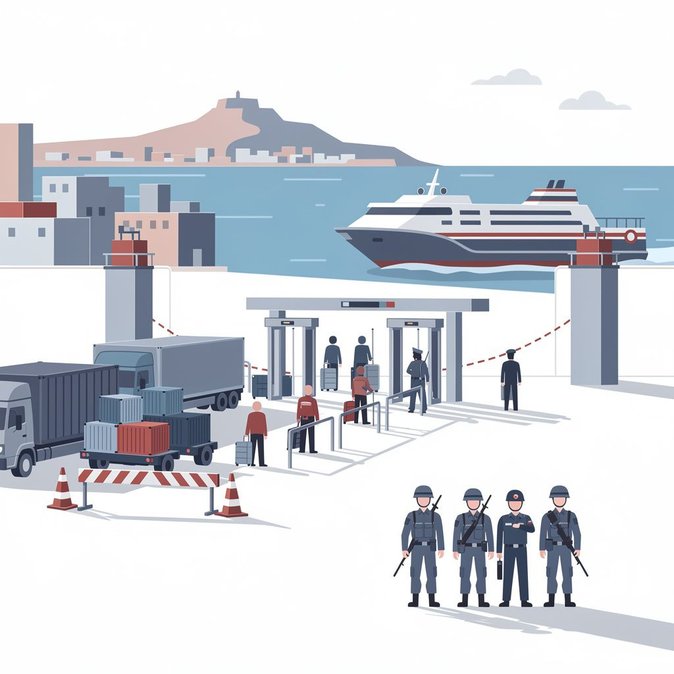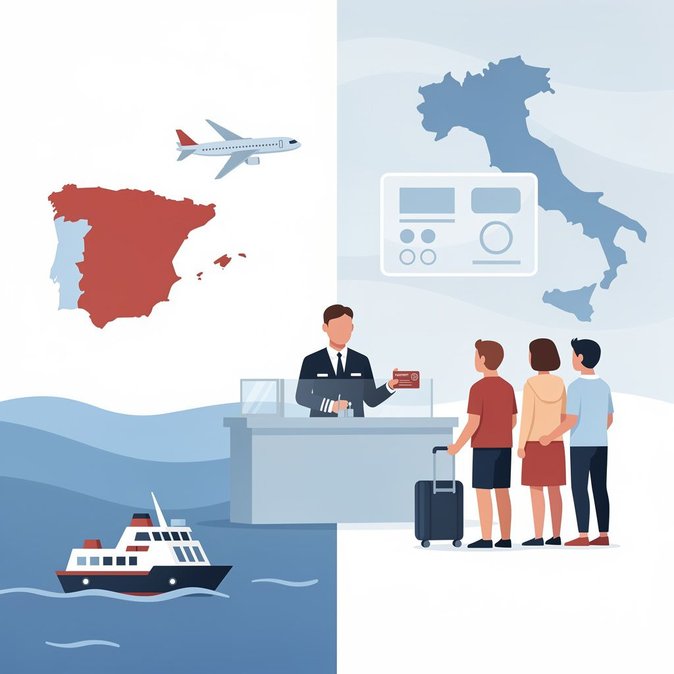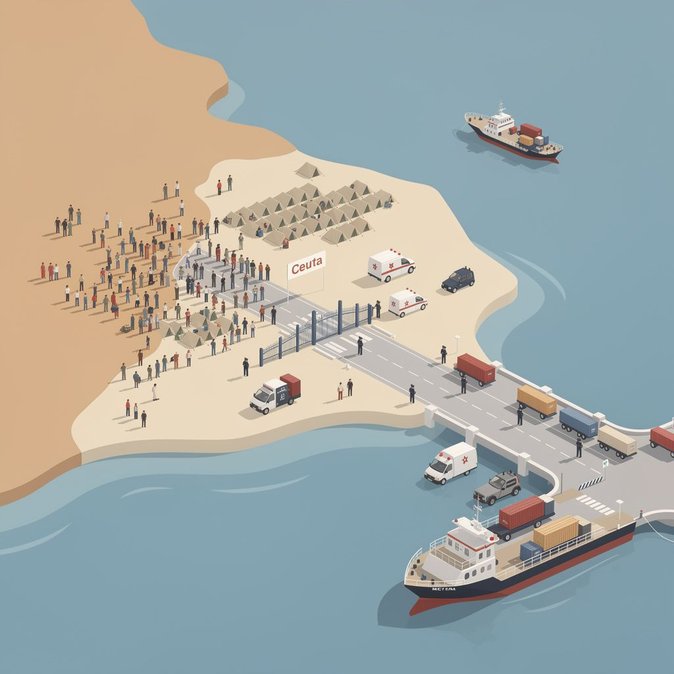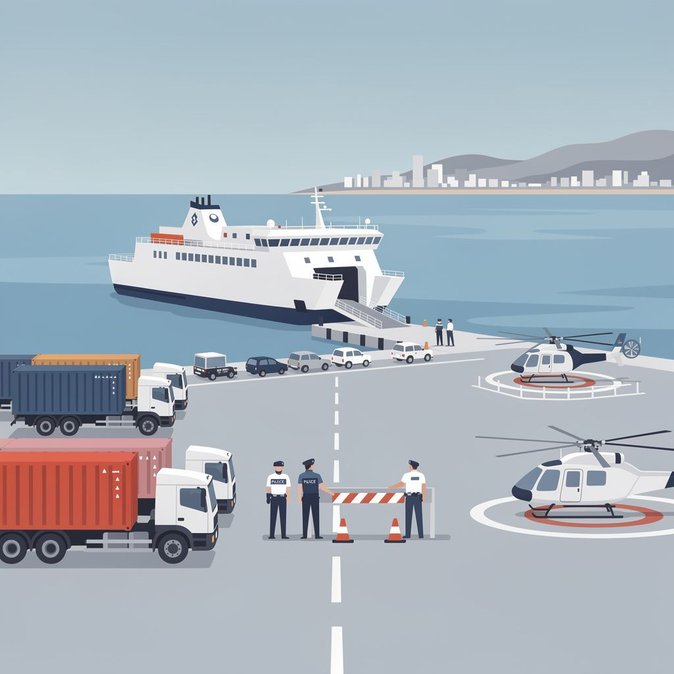
While political headlines focus on migration and security, companies that depend on the ‘Gibraltar Landbridge’ are facing mounting operational headaches. Ferry schedules between Ceuta and Algeciras operated by FRS Iberia and Naviera Armas ran with delays of up to three hours on 31 July as embarkation staff carried out additional passport screening under police supervision. Some departures were switched from roll-on/roll-off to passenger-only to prioritise the evacuation of exhausted migrants returning to Morocco, leaving freight trucks stranded on the Algeciras dock. Air traffic has also been affected. Helicopter carrier Hélity suspended its first four rotations between Ceuta and Málaga after the Defence Ministry declared a temporary restricted area around the enclave’s heliport during the troop deployment phase. Services resumed at 15:00 CEST, but with a weight limit that forced baggage off-loads. Incoming business delegations to Tangier’s automotive cluster reported journey times of seven hours door-to-door, compared with the usual three. Forwarders are diverting sensitive cargo (pharmaceuticals, perishable seafood) via the Cádiz–Tangier Med route or, when feasible, through the Bilbao–Portsmouth ferry and onward trucking through France. That option adds 48 hours and 15 % to costs but avoids the uncertainty at El Tarajal. Customs brokers warn that if the backlog is not cleared before the peak OPE (Operación Paso del Estrecho) weekend beginning 2 August, port congestion could spill over into the container terminals at Algeciras and disrupt Asia–EU freight flows. Travel-management companies (TMCs) have issued ‘Ceuta Disruption Alerts’ advising clients to avoid same-day connections via Algeciras or Málaga and to carry printed hotel bookings and corporate letters to avoid being mistaken for irregular migrants during spot checks. Employers with posted workers in Morocco have been reminded that emergency returns via Ceuta count as an entry into Spain and may erode Schengen-stay allowances. In the medium term, analysts expect the crisis to revive industry calls for a dedicated commercial freight corridor at El Tarajal and for the long-planned rail-freight link between Algeciras and the French border, projects that would add redundancy to Spain’s strategic supply chain.