Italy and Spain extend mutual border checks for further 15 days amid Ceuta migration fallout
Italy and Spain prolong reciprocal Schengen border checks amid Ceuta migration dispute
Italy Extends Border Checks on Travellers From Spain for Additional 15 Days
Latest News

Spanish government scales up migrant triage and reception operations in Ceuta after July surge
Madrid says triage operations in Ceuta are now processing thousands of migrants daily, with almost 900 moved into a purpose-built reception centre on 14 September. While humanitarian conditions have improved, tighter security around the enclave and on the Algeciras ferry route continues to slow commercial and passenger traffic, requiring companies to adapt logistics and travel plans.

Spanish cabinet clears €1.7 billion upgrade plan for Barcelona-El Prat, easing capacity crunch for 2027-31
Spain has earmarked €1.7 billion under DORA III to expand and modernise Barcelona-El Prat Airport between 2027 and 2031, funding a satellite terminal and new border-control technology but postponing the controversial runway extension. The investment should relieve gate congestion and improve processing times, offering medium-term benefits for business travellers and airlines, although peak-hour slot shortages will remain until a runway decision is taken.

Groundforce strike and other industrial actions continue to disrupt Spanish travel network
Three separate strikes—Groundforce handlers at Barcelona-El Prat, Saerco tower controllers in Jerez/A Coruña and Euskotren rail staff—were active on 15 September, creating knock-on delays across Spain’s air and rail networks. Though each dispute is limited in scope, their overlap is complicating business-travel itineraries and cargo flows, prompting companies to build extra buffers and update duty-of-care plans.

Government Says Up to 1,000 Unaccompanied Minors Still Sleeping Rough in Ceuta
The Spanish government now estimates that up to 1,000 migrant minors are still living outdoors in Ceuta, underscoring the enclave’s ongoing humanitarian and security challenges. A legal case over the crisis has been escalated to the Audiencia Nacional, and business groups warn of supply-chain disruptions and higher insurance costs.
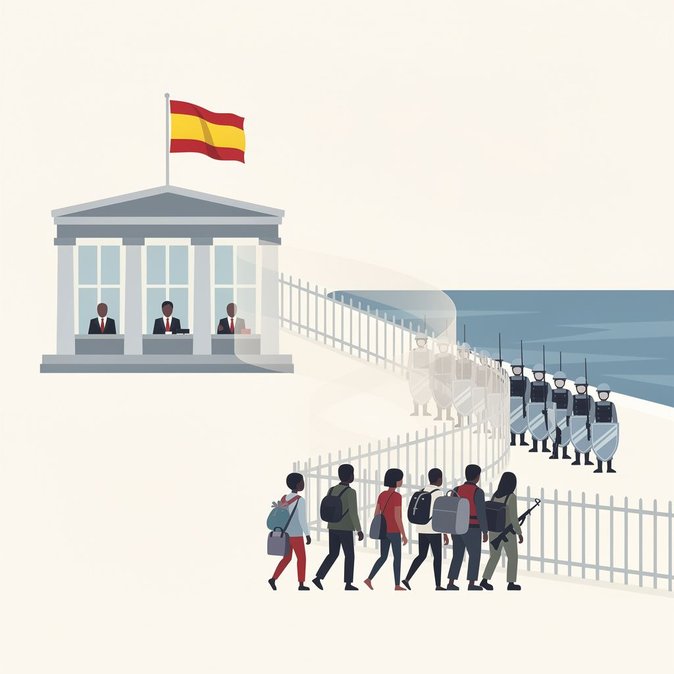
Spanish Congress Debates Vox Proposal to Deploy Armed Forces Against Irregular Migration
Vox has asked Spain’s parliament to let the armed forces fight irregular migration, citing July’s Ceuta influx. The government and left-wing parties oppose the plan, warning it blurs military and police roles, but the debate signals rising political pressure to toughen Spain’s border policy. Mobility managers should watch for any legal shifts that could tighten entry rules or enforcement.

Euskotren begins peak-hour strikes, disrupting commuter rail across Basque Country
Two-hour peak-time strikes hit Euskotren services across the Basque Country on 15 September, with further action planned for 17, 21 and 23 September. Minimum-service orders mitigate but do not eliminate cancellations, lengthening commuter journeys and prompting companies to activate remote-working contingencies. The dispute over pay and staffing highlights the vulnerability of regional mobility corridors critical to business travel in northern Spain.

Supreme Court Suspends Voting Rights of ‘Grandchildren-Law’ Spaniards Abroad
Spain’s Supreme Court has temporarily frozen the voting rights of hundreds of thousands of citizens who gained nationality under the 2022 Democratic Memory Law. The decision, published 15 September, could affect passport renewals and EU mobility for Spaniards abroad until the legal dispute is settled. Employers with staff holding these passports should monitor consular guidance closely.

Salvamento Marítimo rescues 160 migrants off Lanzarote in twin-boat operation
Spanish rescue vessels saved around 160 people near Lanzarote on 14 September, marking one of the largest interceptions on the Canary migration route this quarter. The operation temporarily disrupted port logistics and renews pressure on Spain’s reception capacity, factors that can affect corporate travel and shipping schedules in the archipelago.

Groundforce baggage-handling strike at Barcelona Airport enters sixth week with fresh passenger advisories
Aena has issued fresh warnings as the Groundforce baggage-handling strike at Barcelona-El Prat drags into its sixth week, causing longer bag-delivery times and earlier check-in cut-offs. The dispute, which affects more than 40 airlines, forces business travellers to rely on hand luggage and consider alternative airports for time-sensitive trips.
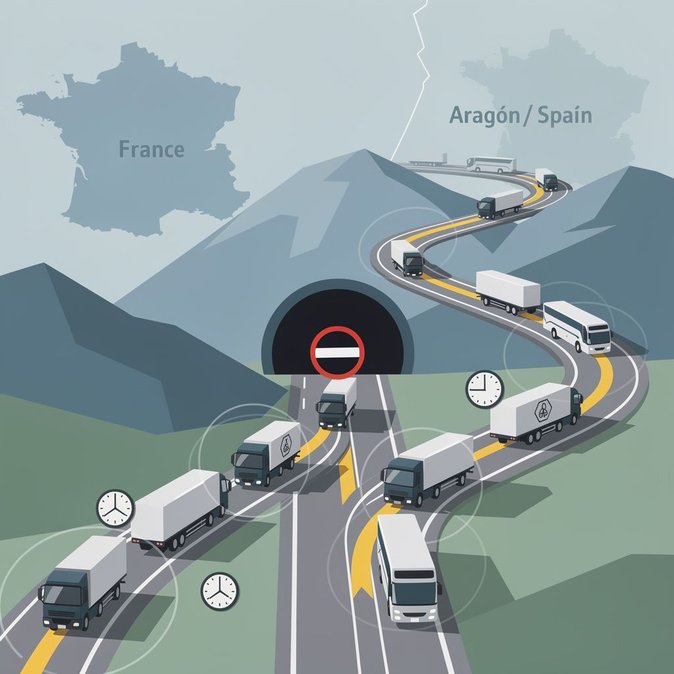
Somport Tunnel Closure Disrupts Spain–France Road Freight Until 19 September
The Somport tunnel linking Aragón with France is shut 14–19 September for French-side engineering works, forcing freight and passenger traffic onto longer, sometimes concurrent detours. Businesses should expect 6-hour delays, re-route hazardous cargo, and update driver safety protocols.

Two migrant boats reach Formentera carrying 30 North African nationals
A fresh wave of irregular migration hit the Balearic Islands on 15 September when two boats carrying 30 people landed on Formentera. The arrivals, part of a sharp 2026 surge on the Algeria–Balearics route, are straining local reception centres and could slow immigration paperwork across the islands. Businesses should prepare for longer NIE and visa-appointment wait times and heightened ID checks on inter-island ferries.

Multiple Airport and Rail Strikes Continue to Hit Spanish Mobility Network
Three airport labour disputes and a Basque rail strike disrupted Spanish transport on 15 September, causing flight and commuter delays. Although no fresh strikes are imminent, companies should build contingency time into travel schedules and monitor union announcements.

Twelve migrants intercepted after night-time landing on Mallorca’s south coast
Mallorcan police detained 12 North-African migrants late on 15 September after their boat reached Colònia de Sant Jordi. The landing underscores the Balearic Islands’ escalating maritime-arrival pressure, with more than 5,300 people recorded in 2026. Resulting security operations may cause sporadic travel disruptions and slower immigration-office processing on the island.

Wizz Air Unveils 18 New Domestic and International Routes in Spain Ahead of Winter Season
Wizz Air has announced 18 additional routes—including new bases at Valencia and extra services from Madrid, Málaga and Bilbao—starting this autumn. The expansion increases low-cost connectivity within Spain and to the UK, Italy, Poland and Romania, offering new options for business travel and international assignees.

Spanish Congress prepares heated session on Ceuta migration crisis as pressure mounts
Lawmakers across the political spectrum signalled on 14 September that Wednesday’s Control Session will be dominated by questions on July’s mass border breach in Ceuta. Regional presidents, unions and business groups piled on, exposing deep rifts over reception capacity, police resources and return agreements with Morocco. Companies that rely on smooth flows through the Strait of Gibraltar now face prolonged uncertainty and are revising travel and logistics plans accordingly.

Spanish Cabinet Approves Draft Bills to Overhaul Immigration and Asylum Framework
Spain’s Council of Ministers has approved two draft laws that will replace the 2009 Asylum Act and partially rewrite the Organic Immigration Law to align with the EU Pact on Migration and Asylum. Highlights include a three-month fast-track asylum procedure, new screening requirements at the border and earlier work rights for applicants. Businesses should prepare for shorter decision windows and revised documentation rules.

Spanish Senate opens security-focused inquiry into 2026 extraordinary regularisation
A special Senate sub-committee met for the first time on 14 September to scrutinise Spain’s 2026 extraordinary regularisation. Senators want to gauge national-security implications and the administrative capacity to renew more than a million one-year residence/work permits that start to expire in mid-2027. Employers should monitor the inquiry, as its findings could tighten renewal criteria and affect workforce planning.

Sánchez Vows to Resolve Ceuta Migration Crisis by Year-End
During a 14 September live briefing, Prime Minister Pedro Sánchez pledged to end the Ceuta migration emergency before 2027, while Interior Minister Marlaska confirmed ongoing voluntary returns and judicial expulsions. The crisis continues to fuel partisan clashes and is already disrupting cross-border trade and workforce mobility, signalling potential for tighter future controls.

Spain Opens 864-Bed Emergency Shelter in Ceuta
Madrid has opened a third emergency shelter in Ceuta, providing 864 additional beds for migrants and lifting total capacity to 4 600. The move alleviates security and hygiene issues near key commuter routes but underscores the continuing humanitarian gap as NGOs estimate thousands still sleep rough.

Madrid asks electoral board to curb ‘grandchildren’s-law’ voter registrations abroad
On 14 September the Madrid regional government asked Spain’s Central Electoral Board to restrict overseas voter registrations to descendants who can document a last residence in Madrid, challenging broader enrolments under the ‘grandchildren’s law’. The case adds new paperwork burdens for expatriate Spaniards and could affect turnout in the 2027 regional elections.
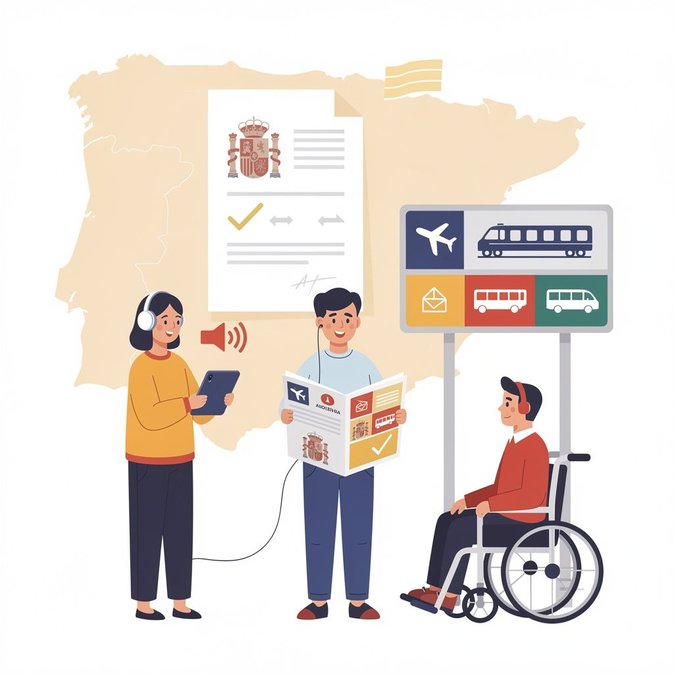
Royal Decree 707/2026 Sets First Cognitive-Accessibility Rules for Public Services and Transport
Spain’s new Royal Decree 707/2026 establishes binding cognitive-accessibility rules for public information, court documents, business communication and—importantly—transport services. From 2027, airlines, rail and bus operators must provide plain-language and Easy-Read materials, meaning mobility managers must review supplier contracts and expatriate-onboarding resources for compliance.

Guide Explains How US Digital Nomads Can Combine Spain’s Visa With the Beckham Tax Regime
An in-depth 14 September post explains how U.S. citizens on Spain’s digital-nomad visa can meet the conditions for the Beckham Law’s 24 % flat tax, emphasising Social-Security paperwork and the six-month Modelo 149 deadline. The guidance offers HR and tax teams a roadmap for cost-efficient U.S. assignments.

EU Visa Working Party discusses Schengen fee hike; Spain weighs consular workload
Meeting in Brussels on 14 September, the EU’s Visa Working Party examined a Commission proposal to raise the Schengen short-stay visa fee from €80 to €100. Spain signalled cautious support but fears tourism and seasonal-worker demand could suffer. A final decision is expected at the December Justice and Home Affairs Council.

Turespaña Launches ‘Slow Travel’ Road-Show in Pamplona to Woo European Buyers
Turespaña’s ‘Slow Travel’ workshops kicked off on 14 September in Pamplona, matching 70 Spanish tourism providers with 75 European buyers focused on sustainable, longer-stay products. The initiative supports Spain’s push to de-seasonalise demand and aligns with corporate travel policies seeking lower-carbon, experience-rich itineraries.

Middle-East conflict dents Madrid-Barajas cargo volumes by 10 % in July
Figures published on 14 September show Madrid-Barajas handled 10 % less cargo in July, as carriers rerouted flights away from Gulf hubs because of the conflict in the Middle East. Sectors from fashion to pharma face higher costs and longer lead times, and mobility planners should brace for continued volatility over the winter.

Over 200 groups call protest against Barcelona-El Prat expansion ahead of DORA 2027-31
Zeroport and 200-plus organisations announced on 14 September a mass rally on 20 September against any future expansion of Barcelona-El Prat. The protest comes as the government finalises the 2027-31 airport master-plan, raising the risk of new environmental constraints that could affect airline capacity and corporate travel costs.

What to Do If You Miss Spain’s Six-Month Beckham-Law Deadline
A second 14 September Beckham Law Agency post explains remedial options for workers who miss the six-month deadline to opt into Spain’s Beckham tax regime. It urges verification of key dates, outlines limited appeal routes and quantifies the higher tax burden under the general regime—offering mobility teams concrete risk-mitigation steps.

CCOO seeks early-retirement scheme for Spain’s airport handling staff
On 14 September the CCOO aviation federation asked handling employers to support special early-retirement coefficients for ramp workers, arguing that the job’s high physical risk merits pension relief. Employers fear higher costs, and failure to reach agreement could trigger strikes that would disrupt flight operations at Spanish airports.