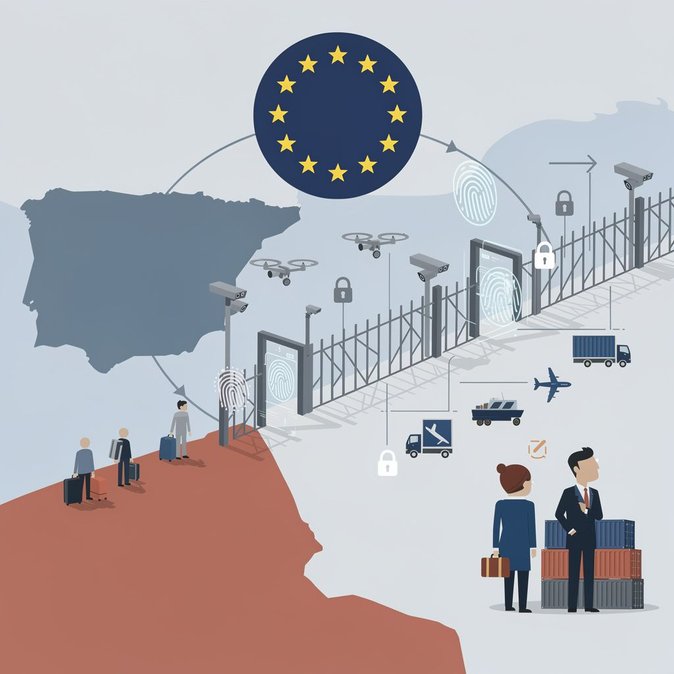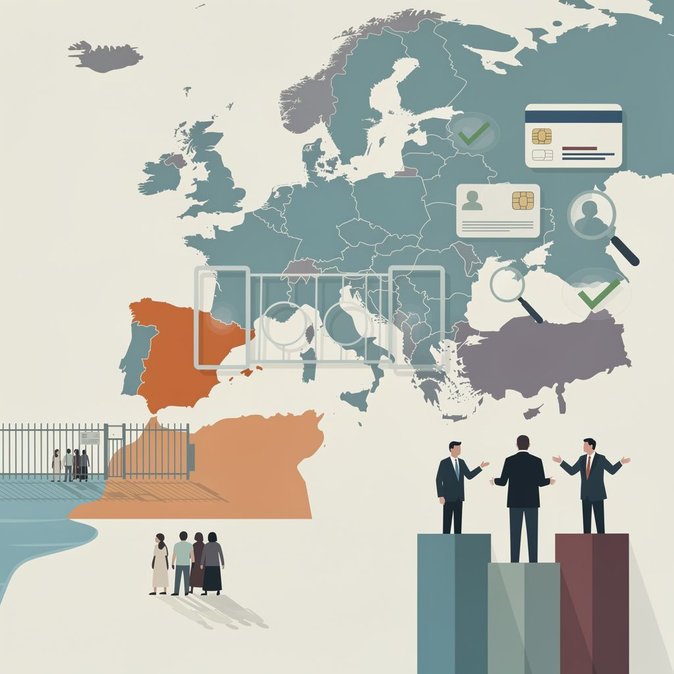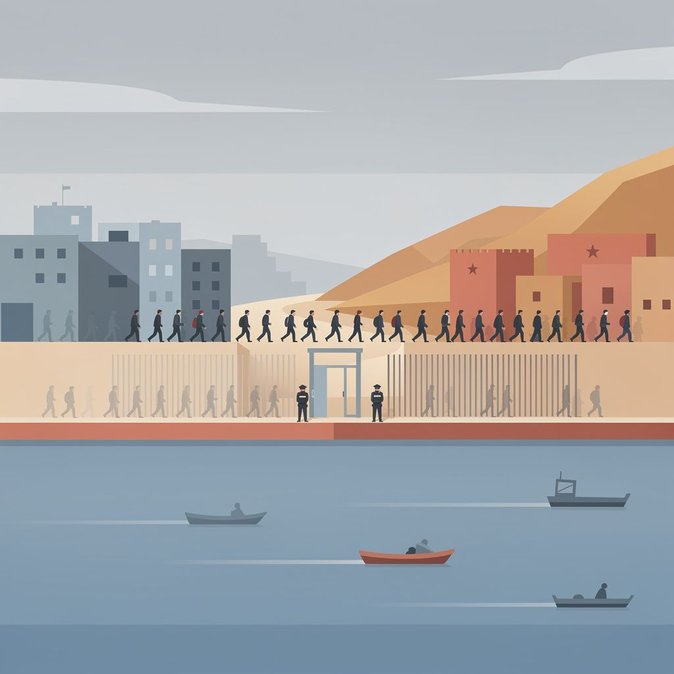
An opinion analysis in El País on 2 August argues that Morocco’s relaxation of controls amounts to a “hybrid attack” comparable to Belarus’s tactic on the Polish border in 2021. The article contends that migration is being weaponised alongside disinformation and infrastructure sabotage, calling for a cohesive EU doctrine that treats sudden mass crossings as security incidents, not just humanitarian crises. The piece resonates in Brussels, where diplomats working on the upcoming Schengen Borders Code revision say language on “instrumentalisation of migrants” could harden further. A draft compromise circulating last month would let any member state reimpose border checks for six months if another state faces a hybrid incident. For global mobility, this framing matters: once a migration event is classed as a security threat, business-friendly exemptions—such as fast-track lanes or trusted-traveller schemes—tend to be suspended. Companies with cross-border commuters between Spain and France may therefore face sporadic ID checks at La Jonquera and Irun even after the Ceuta surge subsides. The hybrid-threat narrative also strengthens the case for corporate intelligence functions to monitor political risk in North Africa, as shifts in Rabat’s posture can ripple quickly through EU travel regimes.
Source: El País (Opinion)