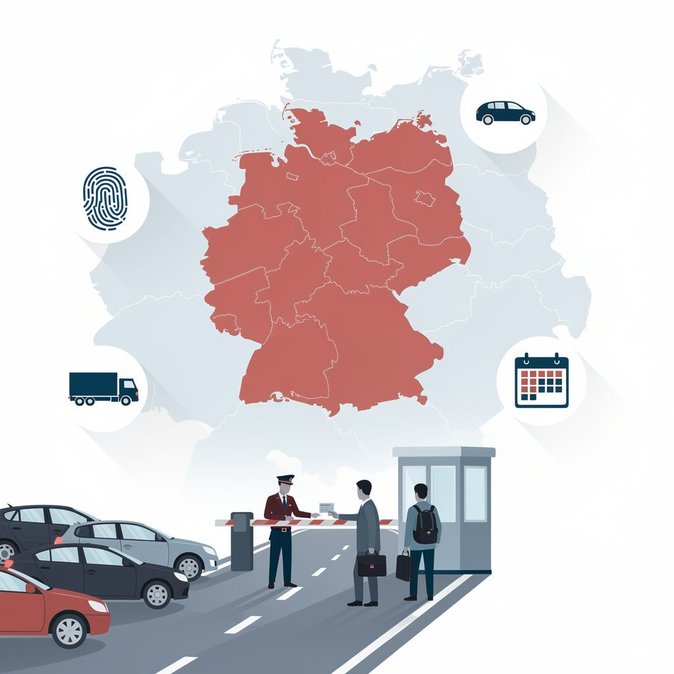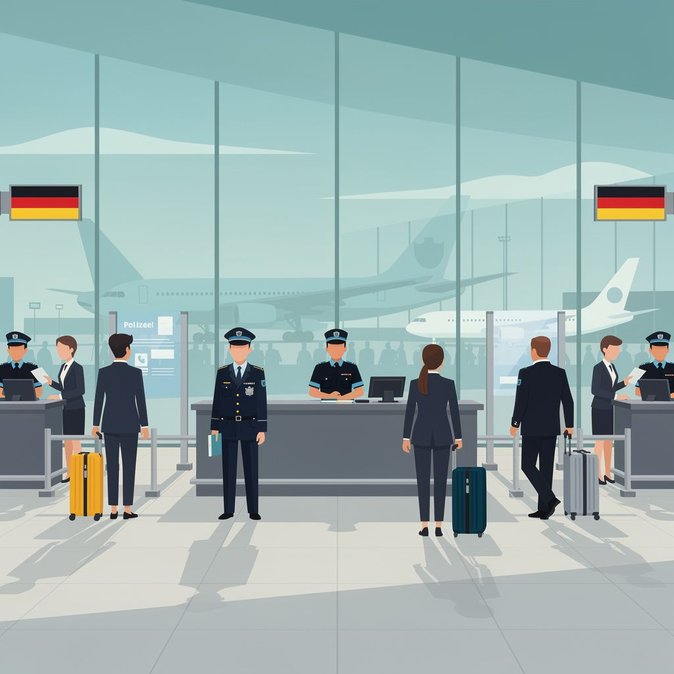
At a ceremony held on 15 September 2026 inside Pier H of Frankfurt Airport’s soon-to-open Terminal 3, 134 newly graduated officers of the Bundespolizei took their oath of office. The event also marked the formal inauguration of the Federal Police’s new inspection unit (BPOLI IV) dedicated to the terminal, which will handle passport control, aviation security and migration-related investigations once the facility opens for commercial traffic later this year. In attendance were Bundestag Vice-President Andrea Lindholz, Hesse’s Deputy Minister-President Kaweh Mansoori and Frankfurt Mayor Mike Josef, all of whom emphasised the heightened security environment, from drone incursions to hybrid threats. Terminal 3 is expected to boost the airport’s capacity by up to 25 million passengers annually, making robust staffing crucial to avoid the bottlenecks that plagued Frankfurt during the post-pandemic travel rebound of 2024-25. For global mobility managers, the reinforcement means shorter queues at Germany’s busiest long-haul gateway once the terminal becomes operational. The Federal Police confirmed that many of the recruits have language skills in Mandarin, Arabic or Hindi to better process third-country nationals and to support secondary immigration interviews. A new liaison desk will coordinate with airline compliance teams on Advance Passenger Information System (APIS) anomalies and carrier sanctions, reducing last-minute boarding denials that can derail corporate travel. The police build-up dovetails with Fraport’s ongoing roll-out of biometric self-boarding gates and with the EU’s Entry/Exit System (EES), already fully live at Frankfurt. Together, the initiatives aim to combine security with throughput, a balance eagerly awaited by multinationals that rely on Frankfurt for executive travel and time-critical cargo. Businesses planning high-volume moves through FRA in Q4 2026 should still monitor for teething problems but can expect a more resilient border-processing environment than in previous peak seasons.