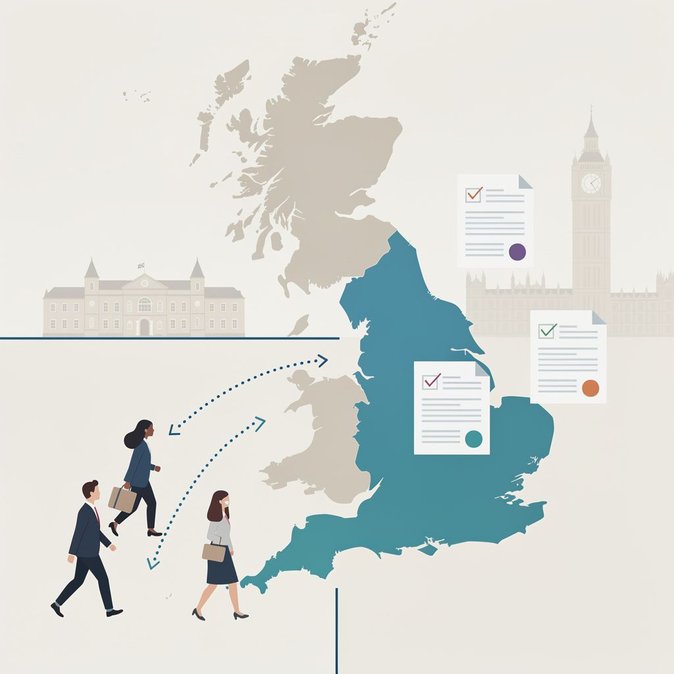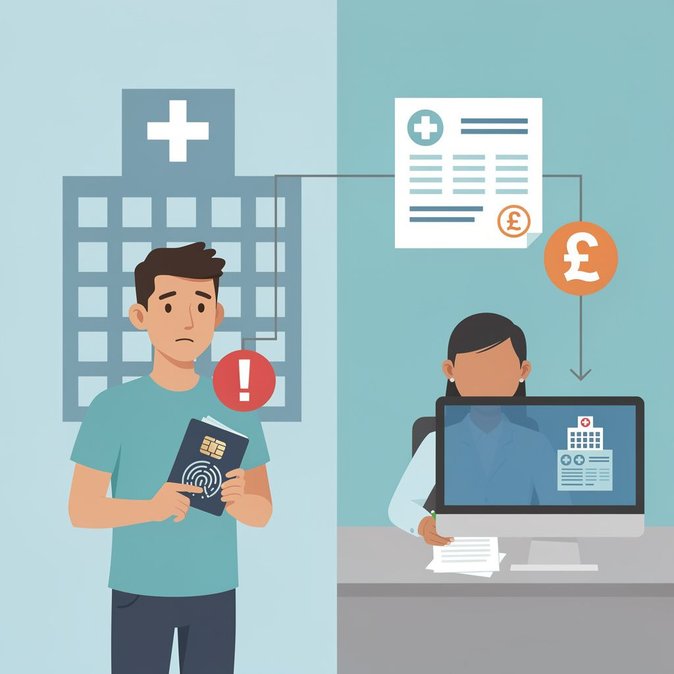
In a practitioner update published on 19 September, immigration lawyer Adam Sierant reminds applicants that owing the National Health Service £500 or more gives the Home Office discretionary power to refuse visas across most routes, from visitors to settlement. The article stresses that many applicants confuse the charge with the Immigration Health Surcharge; paying the surcharge does not erase hospital bills. NHS trusts routinely pass unpaid invoices to the Home Office, sometimes years later, meaning applicants can be blindsided at decision stage. Clearing the balance below £500 removes the specific ground but does not guarantee approval or wipe earlier non-compliance from the record. Certain treatments—A&E before admission, some infectious-disease care and family-planning services—are non-chargeable and can be disputed before payment. Maternity care, however, is always chargeable for overseas visitors and is a common source of five-figure debt. For globally mobile employees and their dependants, the guidance is clear: request an itemised NHS statement before filing any UK application, verify whether exemptions apply and obtain evidence of payment or a repayment plan. Employers sponsoring workers should build NHS-debt checks into pre-application compliance audits to avoid last-minute refusals that disrupt assignment start-dates. The reminder comes as the government prepares to raise the Immigration Health Surcharge again in April 2027, a move that campaigners fear will push more migrants into debt. Mobility teams should budget for higher upfront costs and ensure staff understand the distinct financial liabilities that attach to healthcare in the UK.
Source: UK-Immigration.law