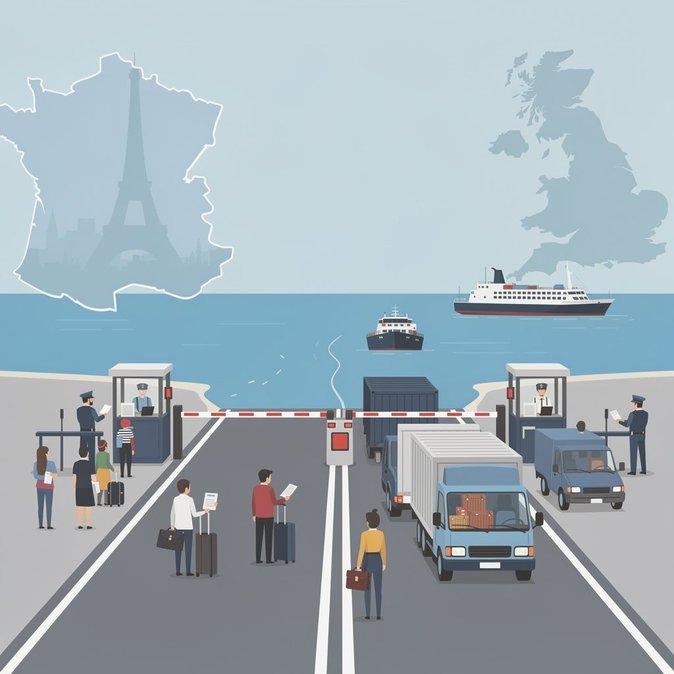
France has officially allowed the bilateral “one-in, one-out” pilot agreement with the United Kingdom to lapse as scheduled at midnight on 1 October 2026. Signed in July 2025, the accord let London return to France—on a one-for-one basis—irregular migrants who had crossed the Channel in small boats, in exchange for Britain’s accepting the same number of asylum-seekers directly from French soil through a legal route. Paris had framed the project as an experiment to test whether a balanced transfer mechanism could deter smugglers while guaranteeing a humanitarian pathway. French officials now say the experiment produced “no convincing deterrent effect”, noting that clandestine crossings rose 11 % in the first half of 2026 despite nearly €70 million spent by both governments on policing northern French beaches. Interior-ministry sources told Le Monde that the arrangement also generated complex legal challenges because British courts frequently blocked removals while French prefectures faced mounting case-management backlogs. For UK businesses that rely on cross-Channel freight and assignments, the immediate concern is operational disruption: French border police have warned of longer secondary-inspection queues at ferry ports such as Calais and Dunkirk as returned migrants will no longer be processed under the fast-track protocol. Logistics firms are already advising drivers to factor in an extra 45–60 minutes for border formalities during the peak autumn shipping season. In corporate-mobility terms, the end of the deal underscores a sharper policy divergence between Paris and London on asylum and labour-migration management. Multinational employers moving staff between the two countries should review posted-worker notifications and right-to-work checks, as French authorities are expected to issue updated circulars on the treatment of UK-based staff entering France for business activities exceeding 90 days.
Source: Le Monde