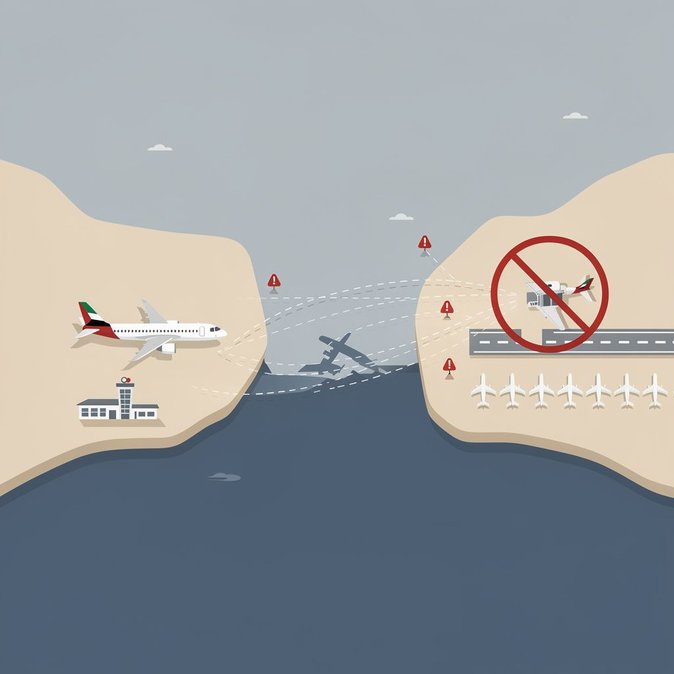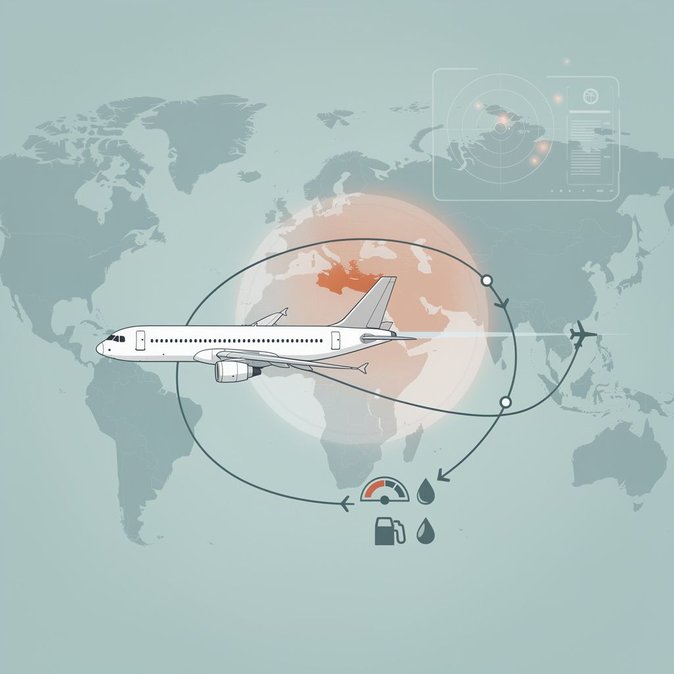
A fresh World Airspace Risk Summary published on 12 October by independent portal SafeAirspace confirms that the European Union Aviation Safety Agency (EASA) has extended Conflict Zone Information Bulletin 2026-07R3 until 16 November. The bulletin advises airlines to avoid the Persian Gulf and Gulf of Oman waters within Bahrain, Kuwait, Qatar and UAE flight-information regions (FIRs), except for take-off and landing, due to the risk of mis-identification amid heightened military activity. Although the guidance is non-binding, most European and North American carriers already route long-haul services over the Arabian Sea or via Iraqi airspace depending on threat assessments. UAE-based airlines such as Emirates and Etihad continue to use established corridors under close coordination with local and international air-defence authorities. For business-jet operators and corporate-shuttle services, the extension may necessitate fuel stops in Muscat or Mombasa on Europe-to-Asia legs if routing further south. Insurance brokers report a modest uptick in war-risk premiums for charter flights crossing the Gulf at night, while trip-planning firms warn that short-notice flight-plan rejections are possible if regional military drills intensify. Global-mobility teams should inform executives that longer routings can impact duty times and may require additional rest stops, potentially increasing travel costs. Companies operating corporate aircraft under an A6 (UAE) registry must also comply with any supplementary directives issued by the UAE General Civil Aviation Authority. EASA’s decision to renew the bulletin without changes suggests that, despite ongoing diplomatic talks, the security calculus for Gulf airspace has not materially improved. Regular reviews are expected every six weeks until tensions ease.