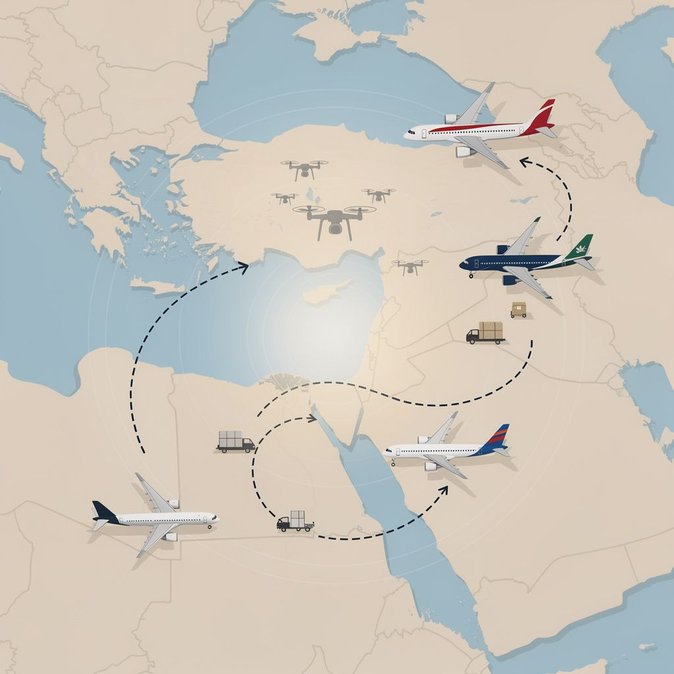
Airlines operating out of Dubai International (DXB) and Abu Dhabi’s Zayed International Airport (AUH) spent much of 21 October trimming schedules as the security situation in neighbouring Saudi Arabia deteriorated. Gulf News reports that Emirates, Etihad, flydubai and Air Arabia all cancelled multiple rotations to Riyadh, Jeddah, Dammam and Abha, while some Iran and Tel Aviv services remain suspended indefinitely. Live departure boards showed rolling delays throughout Wednesday, with some IndiGo and SpiceJet services to India pushed back by more than 18 hours. Travellers heading to or transiting through the Gulf are being urged to re-confirm flight status until at least 24 October, the date through which most carriers have filed NOTAM schedule changes. The knock-on effect is significant for multinationals moving staff between regional hubs. HR and mobility teams should monitor airline waivers that allow free re-booking or refunds and review duty-of-care protocols for employees still planning essential trips to Saudi Arabia. Several governments—including the UK, US, Australia and Canada—updated travel advisories this week, urging citizens to avoid non-essential travel and to steer clear of a 10-kilometre zone along the Yemeni border. Air-cargo planners are also feeling the squeeze. Forwarders report longer routings as freighters skirt restricted airspace, driving up transit times and pushing ad-hoc charter rates higher. Companies with just-in-time supply chains should consider buffering inventories or routing via Oman and Bahrain, where schedules remain more stable. Industry sources do not expect a rapid resolution; insurers have already widened war-risk surcharges on flights entering Saudi airspace. Mobility managers should therefore plan for ongoing disruption and ensure travellers are enrolled in real-time tracking tools that capture last-minute gate changes.
Source: Gulf News