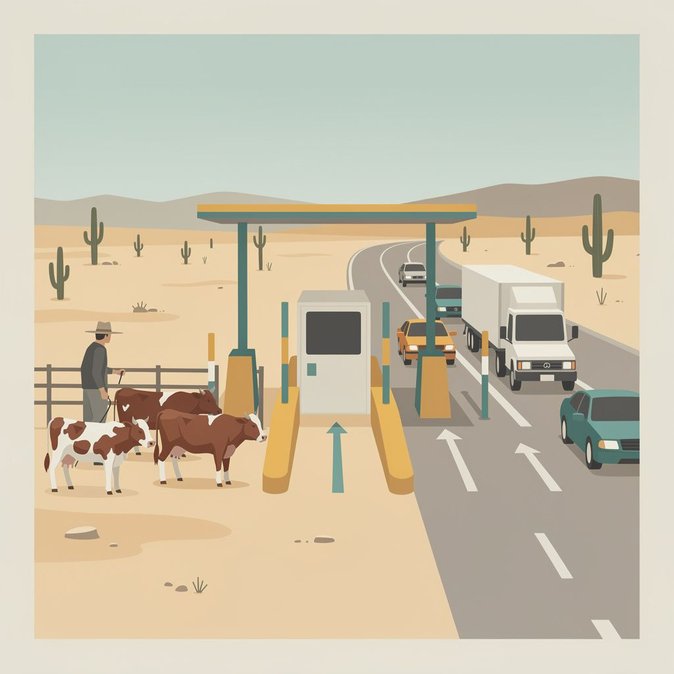
The U.S. Department of Agriculture confirmed on October 22 that the Columbus, New Mexico port of entry will resume cattle imports from Mexico on October 26, becoming the third southern livestock crossing to return to service after a seven-month biosecurity shutdown. The Douglas, Arizona and Santa Teresa, New Mexico crossings reopened in August and September, respectively. Imports were halted in March 2026 when an outbreak of New World screwworm—a flesh-eating parasite eradicated from North America in 1966—was detected in cattle on both sides of the border. Under USDA’s phased reopening framework, each port must pass environmental mitigation inspections, install double-fencing and sterile-fly traps, and operate under strict daily head-count quotas. Industry groups expect Columbus to start at roughly 750 head a day, increasing only if no new infestations are detected. For U.S. meatpackers and feedlots, the additional capacity eases supply bottlenecks that had pushed feeder-cattle prices to record highs and forced some processors to rely on higher-cost domestic stock. USDA data show 39,600 head have already crossed through Douglas and Santa Teresa since August, about 60 percent of the pre-outbreak pace. With Columbus online and Nogales, AZ slated for November 30, analysts project import volumes could reach 85 percent of historic levels by year-end, assuming no further screwworm detections. Mobility implications extend beyond agriculture. CBP will add 30 inspectors at Columbus during the initial surge, potentially lengthening wait times for passenger vehicles and small-parcel trade until new staffing arrives. Companies that move technical specialists or sales teams across the border should build extra lead time for crossings in the first weeks of resumed operations. USDA officials stressed that all animals entering the United States will undergo triple inspections—Mexican SENASICA veterinarians, CBP agriculture specialists, and USDA APHIS officers—to ensure the parasite is not re-introduced. Businesses that rely on temporary agricultural or H-2A labor should monitor whether the enhanced screening diverts CBP ag-specialist resources and slows worker entries at adjacent passenger lanes.
Source: Farm Policy News