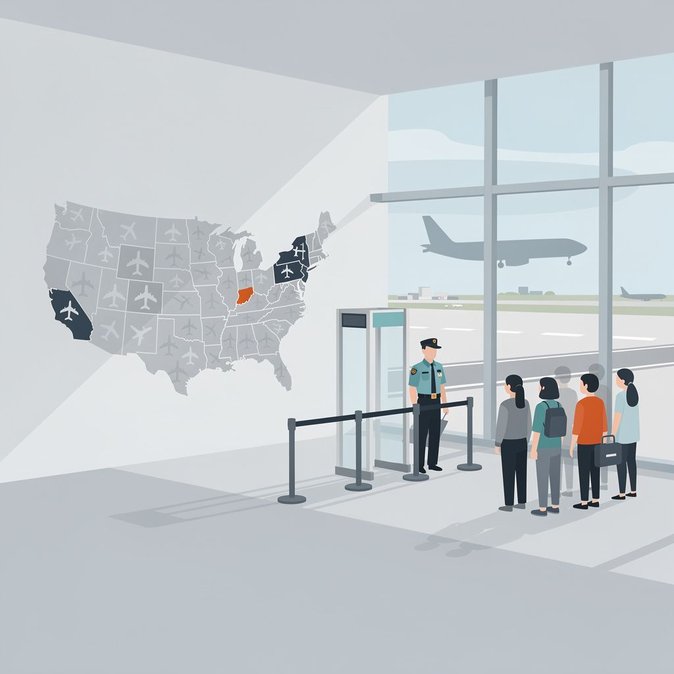
Only twelve days after expanding its “Gateside by TSA PreCheck” visitor program from 13 pilot airports to more than 300, the Transportation Security Administration reversed course on October 20. Without public notice, TSA removed hundreds of airports from its online application portal, restricting access once again to the original test hubs such as DFW, LAX and CMH. Gateside passes allow non-ticketed individuals who hold a Known Traveler Number—PreCheck, Global Entry or similar—to clear security and meet friends, dine or shop beyond the checkpoint. When the nationwide expansion was announced on October 1, airports and concessionaires welcomed the prospect of increased non-flying foot traffic. Corporate travel managers also envisioned easier “meet-and-assist” protocols for VIP travellers and unaccompanied minors. TSA now says it is “evaluating participation levels, operational impacts and security posture” before deciding on future scaling. Industry insiders point to staffing limits and inconsistent biometric-ID infrastructure at smaller airports. Security unions, meanwhile, argued that surging gate-area visitors risked diluting PreCheck’s risk-based model. For business-travel programs, the rollback means employees can no longer request visitor passes at most U.S. airports. Mobility teams arranging meet-and-greets or onboarding sessions airside should verify whether their location remains in the 13-airport pilot list and adjust logistics accordingly. Travelers should also expect updates to PreCheck marketing materials and mobile-app functions over the coming weeks. Long term, TSA’s struggle highlights the tension between passenger-experience innovation and resource constraints. Analysts predict the agency will re-introduce the program gradually, probably focusing on Category X hubs with mature identity-verification technology and higher concession revenues.
Source: Travel Market Report