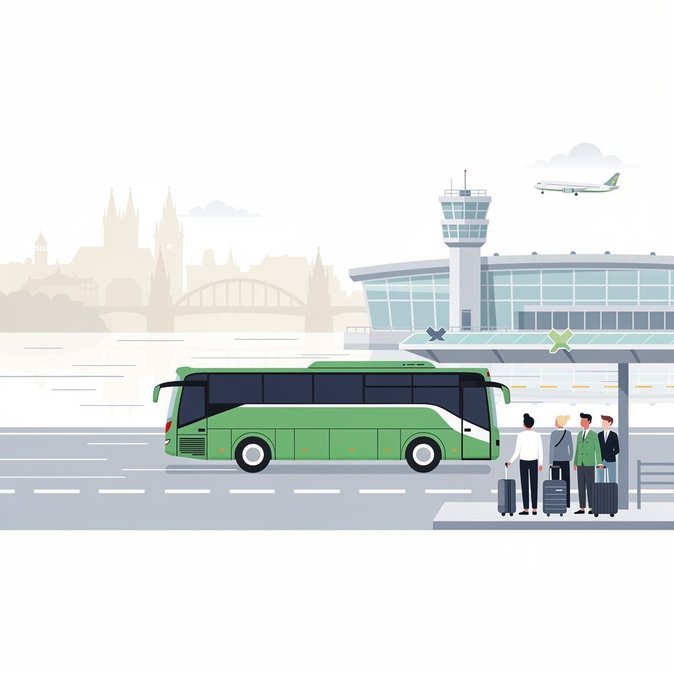
Travellers using Prague’s Václav Havel Airport gained a new option on 12 November 2026 as German mobility company FlixBus rolled out a high-frequency shuttle linking the central Florenc bus terminal with the airport in roughly 30 minutes. Thirteen departures in each direction run from 03:40 until shortly before midnight, filling a gap for passengers catching early-morning flights or arriving late with luggage. Promotional fares start at CZK 78 (about €3), though dynamic pricing means prime-time tickets will fluctuate. On board, passengers can expect the usual FlixBus extras – Wi-Fi, power sockets and seat-selection via the mobile app. The launch intensifies competition on the lucrative airport-transfer market. Prague Airport Express, operated by Czech Railways, currently charges CZK 200 for its Hlavní nádraží route, while newcomer BusAir entered in October with CZK 125 fares from the main railway station district. Public-transport purists can still combine metro A with trolleybus 59 for as little as CZK 40, but that option involves stairs and platform changes that business travellers often try to avoid. FlixBus’s move also taps into a wider rebound in Czech aviation. The airport handled 15 million passengers in the first three quarters of 2026 – up 19 % year-on-year – and has unveiled a record 145-destination winter schedule. By funnelling regional and international coach passengers directly to Terminal 1/2, the new shuttle could nudge modal-split numbers away from private cars and ride-hailing, easing congestion on Aviatická Street, which is itself under long-term reconstruction until 30 November 2026. For corporate mobility managers, the service offers a cost-effective, bookable alternative that can be expensed through FlixBus’s B2B portal. Early adopters include a handful of Czech tech firms whose employees frequently connect from overnight coaches to morning long-haul departures on Emirates and Qatar Airways. The broader lesson is that surface access is becoming an increasingly contested part of the passenger experience – and that competition, not regulation, is currently driving service quality at Central Europe’s busiest non-hub airport.
Source: Expats.cz