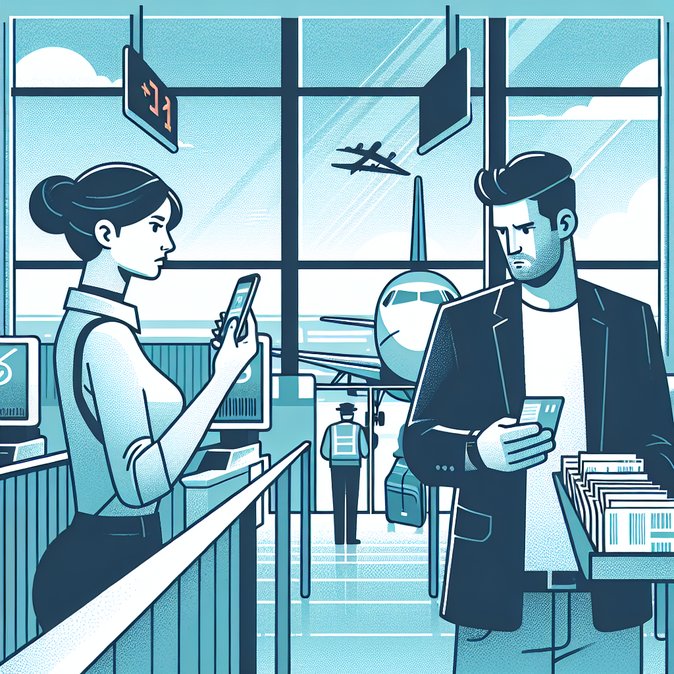
In a move that will affect millions of Irish-origin business and leisure trips each month, Ryanair confirmed on 7 November 2025 that it will no longer accept printed boarding passes after 12 November. Writing in Aviation.Direct, company spokesman Stephen Steiner said more than 80 % of the airline’s 207 million customers already use the ‘myRyanair’ app, but the remaining 20 % must now migrate or face airport re-issuance fees.
Chief Marketing Officer Dara Brady framed the shift as a ‘faster, smarter and greener’ boarding experience that supports the carrier’s 25-minute aircraft turnaround model. The digital pass integrates live gate updates, ‘order-to-seat’ catering and disruption notifications, features Ryanair claims can shave three to five minutes off each departure.
![Ryanair to scrap paper boarding passes from 12 November, urges Irish passengers to go fully digital]()
The policy has sparked debate in Ireland’s corporate-travel community. Travel management companies told Global Mobility News that most multinationals already mandate mobile passes, yet sectors with older or compliance-sensitive travellers (e.g., pharma auditors visiting multiple plants) may need contingency phones or portable printers. Ryanair says customers without smartphones can still request a paper pass at check-in, but consumer advocates warn that queues and a €20 re-print charge remain barriers.
Accessibility charities have also contacted the National Disability Authority, arguing that a smartphone requirement could disadvantage digitally excluded passengers. Under EU Regulation 1107/2006, carriers must offer assistance free of charge; Ryanair insists the on-airport print option meets this obligation.
For mobility managers the practical advice is clear: remind assignees and visiting teams to install or update the Ryanair app before travelling next week, ensure company mobile-device policies allow the download, and brief travellers that certain jurisdictions – notably Morocco and Turkish domestic sectors – still require a physical pass that Ryanair agents will provide at the gate.
Chief Marketing Officer Dara Brady framed the shift as a ‘faster, smarter and greener’ boarding experience that supports the carrier’s 25-minute aircraft turnaround model. The digital pass integrates live gate updates, ‘order-to-seat’ catering and disruption notifications, features Ryanair claims can shave three to five minutes off each departure.

The policy has sparked debate in Ireland’s corporate-travel community. Travel management companies told Global Mobility News that most multinationals already mandate mobile passes, yet sectors with older or compliance-sensitive travellers (e.g., pharma auditors visiting multiple plants) may need contingency phones or portable printers. Ryanair says customers without smartphones can still request a paper pass at check-in, but consumer advocates warn that queues and a €20 re-print charge remain barriers.
Accessibility charities have also contacted the National Disability Authority, arguing that a smartphone requirement could disadvantage digitally excluded passengers. Under EU Regulation 1107/2006, carriers must offer assistance free of charge; Ryanair insists the on-airport print option meets this obligation.
For mobility managers the practical advice is clear: remind assignees and visiting teams to install or update the Ryanair app before travelling next week, ensure company mobile-device policies allow the download, and brief travellers that certain jurisdictions – notably Morocco and Turkish domestic sectors – still require a physical pass that Ryanair agents will provide at the gate.
Source: Aviation.Direct
How VisaHQ can help
VisaHQ simplifies the visa application process for individuals and businesses. Check current travel requirements, prepare the required documents and manage your application online through the VisaHQ Ireland portal.More From Ireland
View all
Garda Extradition Unit nets 11 fugitives, including suspects in human-trafficking and illegal-immigration rings
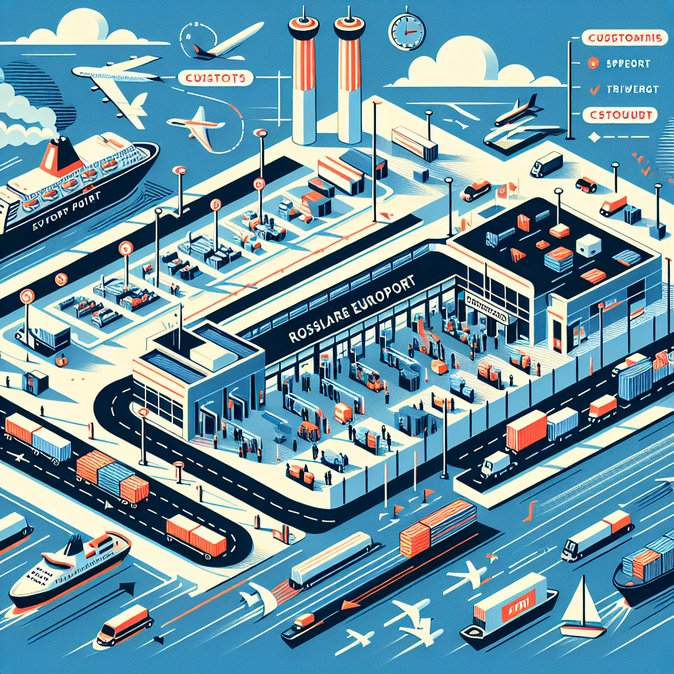
€230 million Rosslare Europort Terminal 7 delivers permanent post-Brexit customs and immigration hub