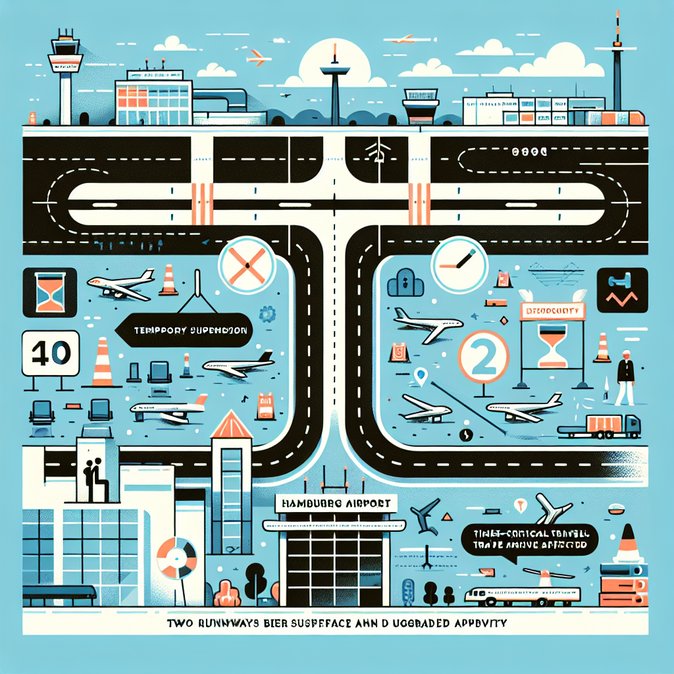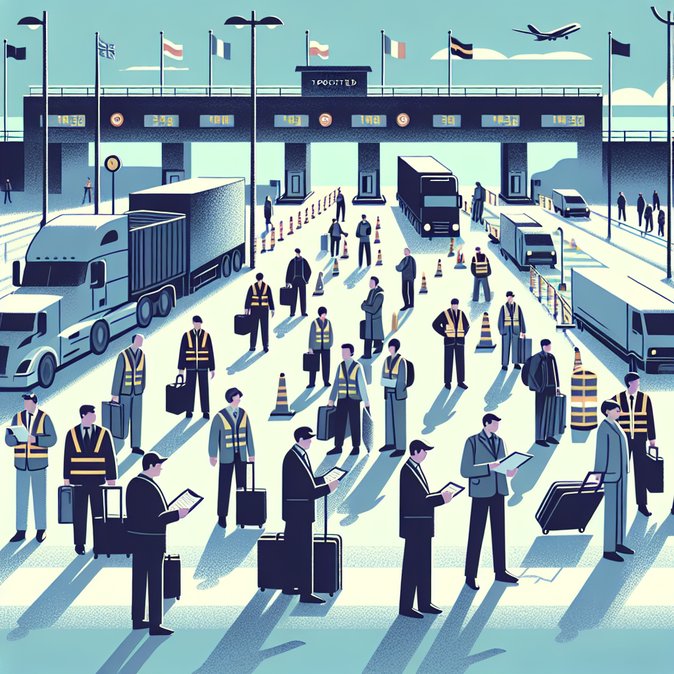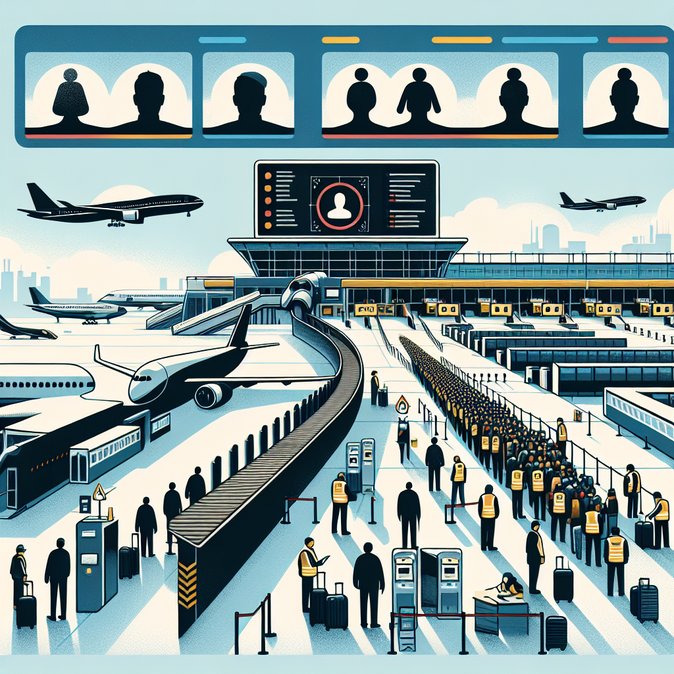
German holidaymakers heading out for the Christmas break were hit by a double whammy over the weekend as a 12-hour ground-handling strike overlapped with the first large-scale deployment of the EU Entry/Exit System (EES) at Frankfurt, Munich and Düsseldorf airports. According to flight-tracker OAG, average departure delays reached 55 minutes on Saturday, 21 December, with queues at passport control snaking through terminal concourses.
Under the EES, every third-country national must register four fingerprints and a facial image the first time they enter the Schengen Area, replacing manual passport stamps. German hubs have installed more than 300 self-service kiosks, but union Verdi argues staffing is insufficient to shepherd inexperienced travellers through the process – a problem made worse when up to 2 000 baggage-handlers walked out demanding a €500 one-off inflation bonus.
![Holiday strikes and Europe’s new biometric border system create chaos at German airports]()
Airlines fear operational knock-on effects will last until 24 December. Lufthansa has already issued a “book-with-confidence” waiver allowing free ticket changes. Corporate travel managers are urging executives from the US and UK to arrive at least four hours early, complete the “EES Mobile” pre-registration and use priority lanes where available.
The incident offers a glimpse of 2026, when EES becomes fully mandatory and Germany rolls the system out to all air, sea and land crossings. Companies that rely on last-minute trips should budget extra airport time, update travel policies to reflect biometric capture and consider enrolling key staff in forthcoming Registered Traveller programmes.
Under the EES, every third-country national must register four fingerprints and a facial image the first time they enter the Schengen Area, replacing manual passport stamps. German hubs have installed more than 300 self-service kiosks, but union Verdi argues staffing is insufficient to shepherd inexperienced travellers through the process – a problem made worse when up to 2 000 baggage-handlers walked out demanding a €500 one-off inflation bonus.

Airlines fear operational knock-on effects will last until 24 December. Lufthansa has already issued a “book-with-confidence” waiver allowing free ticket changes. Corporate travel managers are urging executives from the US and UK to arrive at least four hours early, complete the “EES Mobile” pre-registration and use priority lanes where available.
The incident offers a glimpse of 2026, when EES becomes fully mandatory and Germany rolls the system out to all air, sea and land crossings. Companies that rely on last-minute trips should budget extra airport time, update travel policies to reflect biometric capture and consider enrolling key staff in forthcoming Registered Traveller programmes.
Source: VisaHQ Global Mobility News