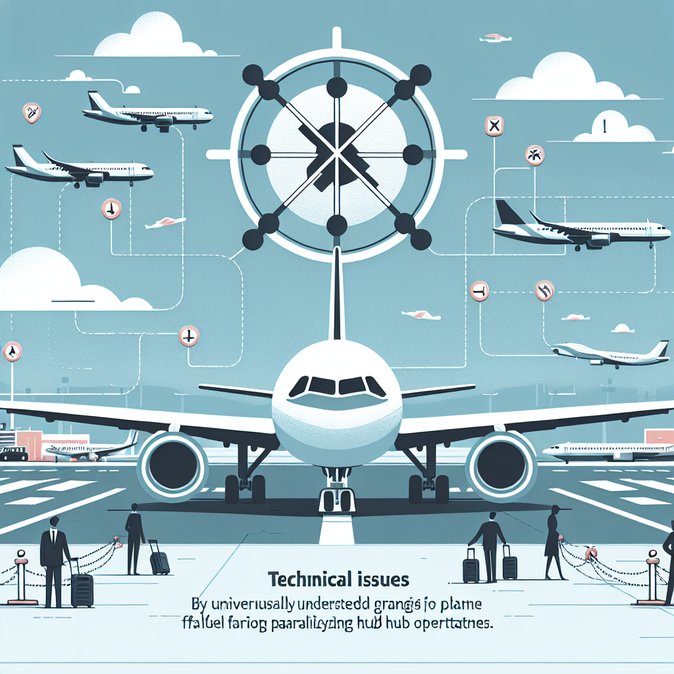
An American Airlines Boeing 787-8 operating flight AA207 to Miami suffered a taxiway mechanical failure at Milan Malpensa on 22 April, immobilising the wide-body jet at the sole access point to Runway 35R. According to aviation outlet Nomad Lawyer, the blockage forced air-traffic control to adopt slow “back-track” procedures, slashing the airport’s departure rate and creating cascading delays for arriving flights that could not access occupied gates. The incident highlights the fragility of long-haul hub operations: because Malpensa’s runway-taxiway geometry offers limited bypass options for twin-aisle aircraft, a single disabled jet rapidly constrained throughput. For global mobility stakeholders, the disruption stranded Miami-bound business travellers and connecting passengers, many of whom faced missed onward flights to U.S. destinations. American Airlines engineers were still assessing whether on-site repairs or heavy-towing equipment would be needed at press time. If the aircraft requires towing with locked landing gear, delays could extend well into the evening peak, triggering crew-time-out cancellations and equipment repositioning on the trans-Atlantic network. Risk-management pointers: 1) travellers connecting via European hubs should pad layover times when onward flights involve single-runway operations; 2) crisis-response teams should verify that mobile-roaming plans cover EU ports in case duty-of-care outreach is necessary; and 3) mobility programmes with critical project start dates should maintain backup routings via Zurich or Paris when operating through Milan.
Source: Nomad Lawyer