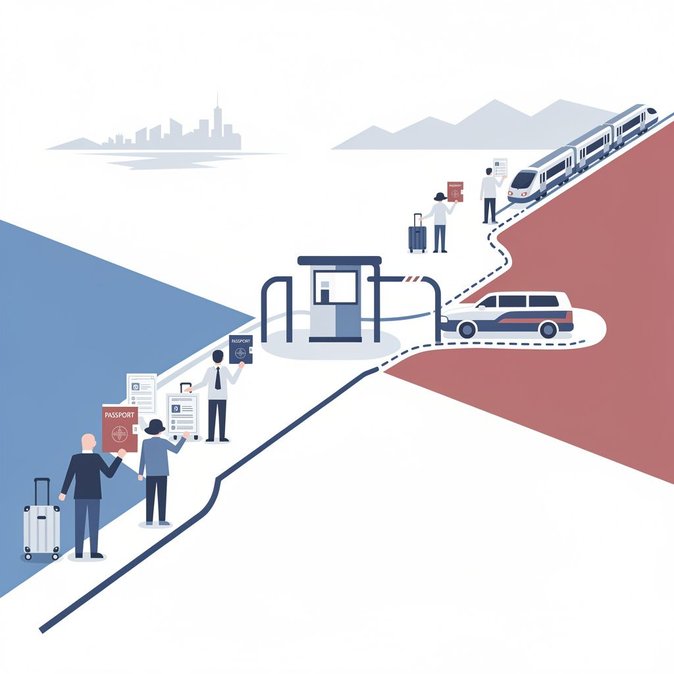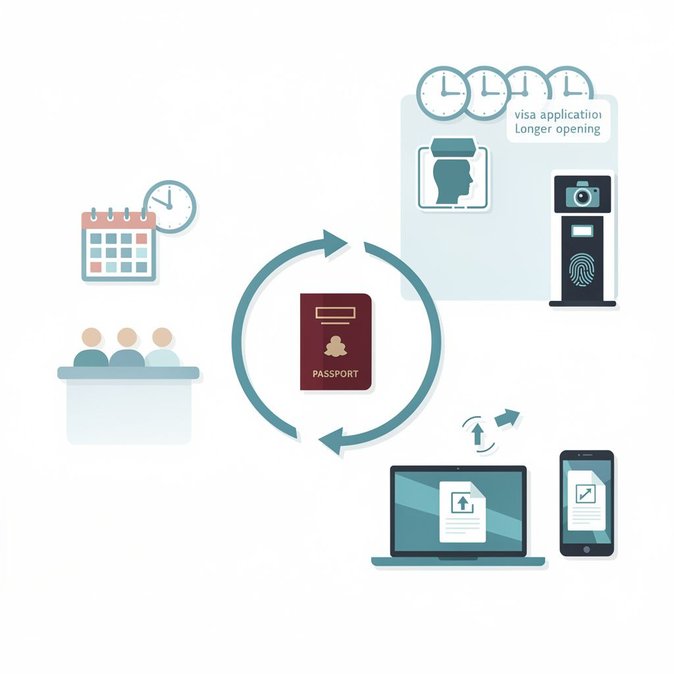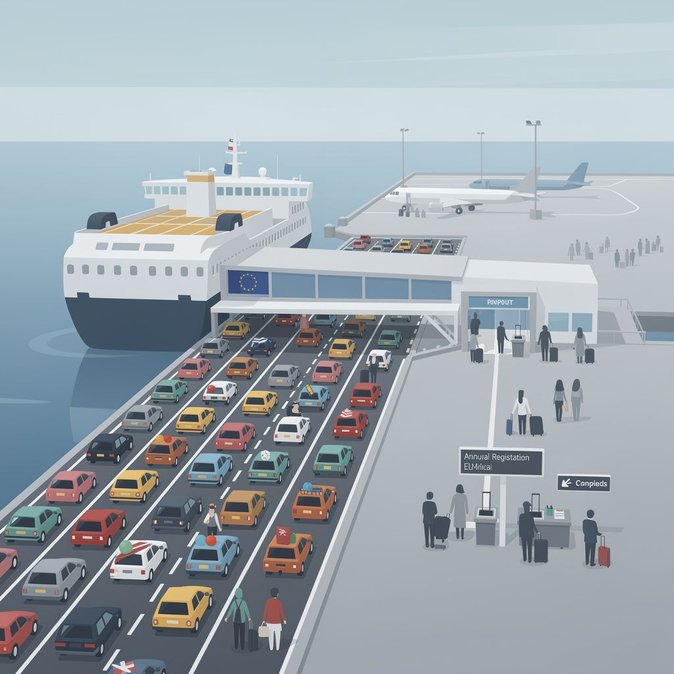
Holidaymakers and freight operators were warned on Friday, 17 July, to expect significant tailbacks at the Port of Dover as Britain heads into the busiest getaway weekend of the summer. The port’s chief operating officer said up to 10,000 cars and hundreds of coaches could converge on Dover on Saturday, with border police forced to manually enrol British passport-holders into the EU’s new Entry/Exit System (EES) because software connecting UK kiosks to French databases is still not fully operational. French Police aux Frontières officers based on UK soil must create a digital file for every non-EU traveller, recording facial images, fingerprints and passport data. Each enrolment takes several minutes, raising fears of queues stretching back to the M20 despite a £40 million investment in automated kiosks that remain idle. Motoring organisations RAC and AA predict more than 14 million leisure journeys on UK roads this weekend, the biggest spike since 2022, as some families abandon foreign trips in favour of domestic breaks. Airlines have also voiced concern: Ryanair warned passengers that UK travellers could become “the testing ground for unfinished border infrastructure” at popular European airports such as Alicante and Milan-Bergamo. Heathrow expects Friday to be its single busiest day of the year. For businesses, the disruption threatens supply-chain schedules that rely on Dover’s just-in-time crossings and adds to the travel-time budgets companies must now build into cross-Channel trips. HR teams arranging short-notice client visits in Europe may need to advise staff to allow several extra hours at departure points and ensure passports meet the EU’s six-month validity rule. Logistics firms are bringing forward departures and warning customers of potential late deliveries. Longer-term, the chaos has renewed calls from UK ministers and the freight industry for a phased or more flexible roll-out of the EES until the biometric infrastructure is proven to work at high volumes. The government has already committed an extra £20 million for Kent to improve traffic management around Dover, but operators fear years of peak-season congestion unless EU and UK authorities resolve the software issues. In the meantime, travellers are urged to stick to main roads into Dover, arrive no more than two hours before their sailing and keep travel documents handy. Eurotunnel said it does not expect immediate delays, but will also be registering car passengers manually until the biometric link goes live.
Source: The Guardian