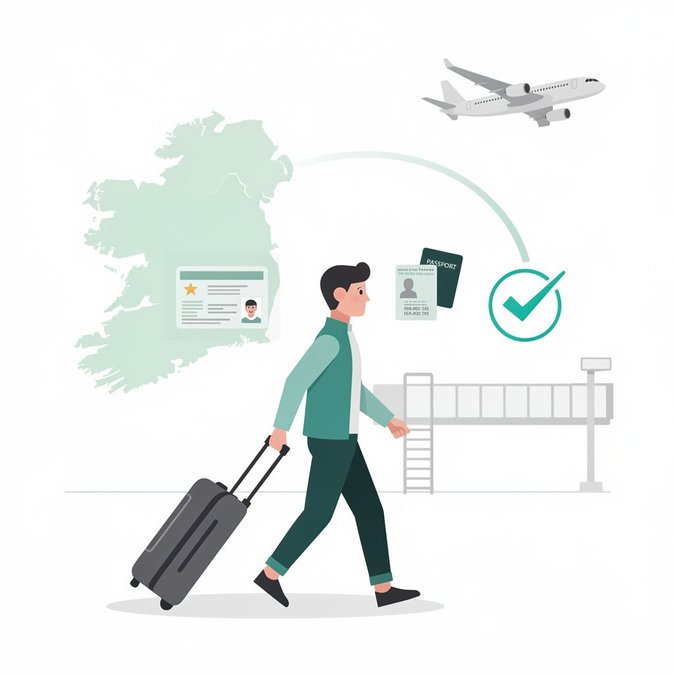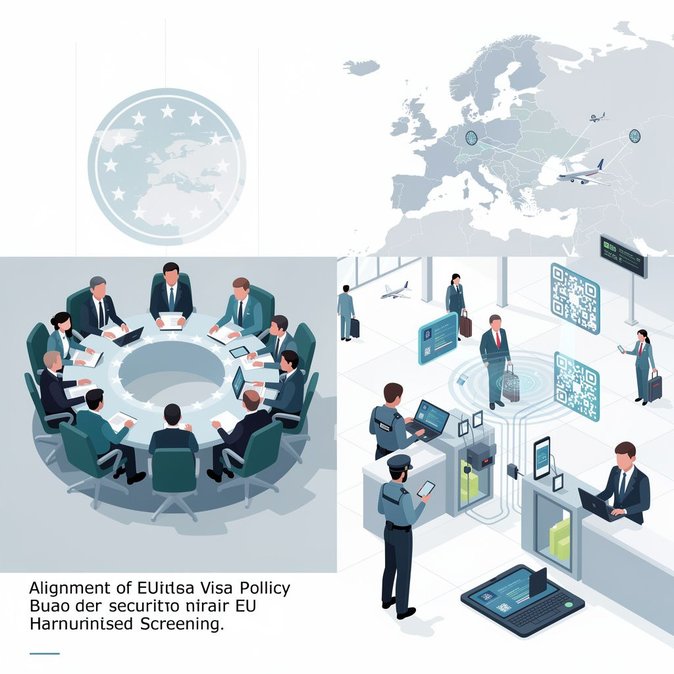
Dublin hosted EU Justice and Home Affairs ministers on 16-17 July as part of Ireland’s rotating Presidency of the Council of the European Union. While immigration, asylum and police cooperation dominated the two-day informal, one working session focused squarely on “visa policies to support internal security”, underscoring growing links between mobility and border management. Ireland, which sets its own visa rules outside Schengen, used the platform to highlight its forthcoming digital-visa pilot for short-term business travellers. Officials said the scheme—modelled on Australia’s ETA—will launch in Q1 2027 and interface with carriers’ Advance Passenger Information feeds. Several member states expressed interest in aligning risk-screening criteria to avoid potential ‘visa-shopping’ whereby security-denied applicants redirect travel through Ireland. Ministers also debated the first 100 days of the EU’s Entry/Exit System (EES) roll-out, sharing data on biometric errors that caused queues at Paris Charles de Gaulle and Madrid-Barajas. Ireland reiterated that, while not adopting EES, it will upgrade e-gates at Dublin and Shannon to read EU Digital Travel Credentials so that Schengen passengers transiting Ireland benefit from faster connections. From a corporate-mobility standpoint, the meeting signals a more integrated European approach to visa policy. Companies relocating staff within the EU can expect greater data-sharing on overstays and criminal alerts once member states finalise the ‘Prüm II’ police-data regulation later this year. Travellers should prepare for tighter document checks at point of embarkation as airlines align with the new EU Carrier Sanctions Directive, which increases fines for transporting improperly documented passengers. Irish carriers said they will begin ‘permission to travel’ validations during online check-in in early 2027.