Germany Issues Stronger Travel Warning for Iran Amid Renewed Regional Tensions
German Foreign Office Warns Against All Travel to Syria After Bombings in Central Damascus
Federal Foreign Office Orders Remaining Germans to Leave Yemen as Huthi Threat Persists
Latest News
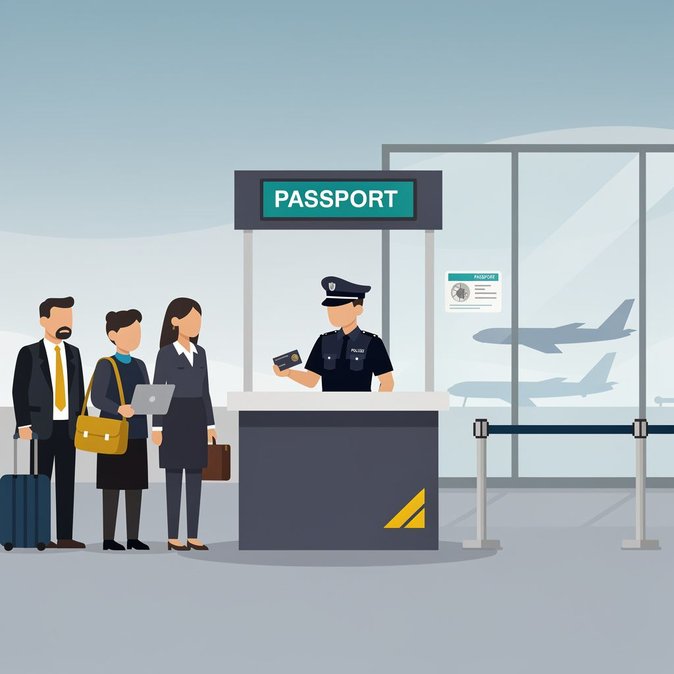
Federal Police step up summer border controls – multiple arrests and fines at Düsseldorf Airport
Germany’s Federal Police launched an intensified summer border-control operation on 21 July, arresting three wanted individuals and collecting over €8,000 in fines during passport checks at Düsseldorf Airport. The temporary internal-border regime, in force until at least mid-September, is causing longer queues for business travellers and heightens the need for complete documentation.
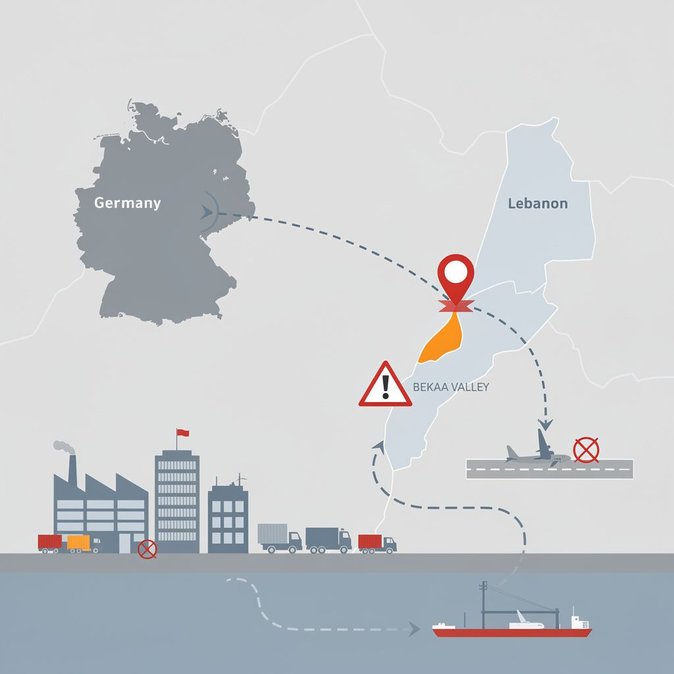
Germany Expands Part-Travel Warning for Lebanon Amid Renewed Israel–Hezbollah Clashes
Berlin has upgraded its Lebanon advisory, warning against travel to the south, the Bekaa Valley and border areas after fresh Israel-Hezbollah skirmishes. Higher insurance premiums, potential airport closures and supply-chain rerouting pose immediate headaches for German companies.
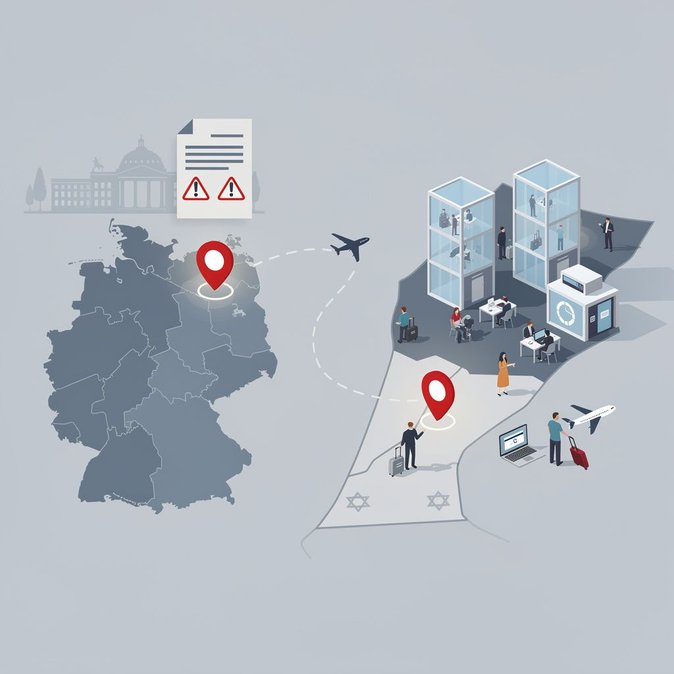
Germany Issues Warning on Israel and Palestinian Territories as Region Remains Volatile
Berlin’s updated guidance tells Germans to stay out of Gaza and most of the West Bank, cautioning that Israel’s security situation could deteriorate rapidly. Businesses must re-examine insurance, evacuation routes and remote-work options for staff in Israel’s tech hubs.
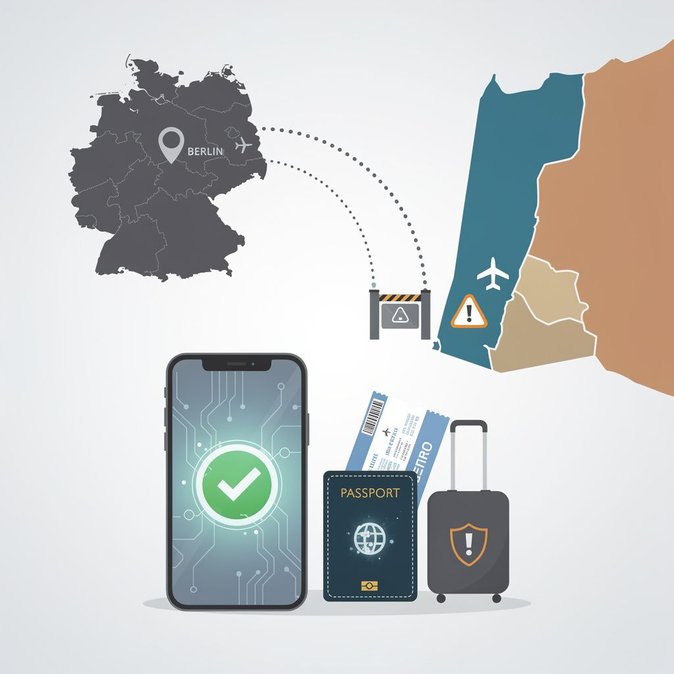
Germany updates Israel travel advice – new electronic ETA-IL pass and visa rules for West Bank–Jordan crossing
Berlin’s updated Israel travel advisory (21 July) introduces the compulsory ETA-IL electronic entry pass and confirms that Germans crossing from the West Bank to Jordan must now pre-arrange a Jordanian visa. The change underscores the acceleration of digital border systems and the need for German firms to pre-screen staff itineraries in high-risk regions.

Deutsche Bahn to impose alcohol ban at 5,400 stations – police union calls for extension to trains
DB will roll out a station-wide alcohol ban from 15 October 2026. The police union supports the initiative but says it must cover trains as well to curb violence. Companies should brief rail-using staff, because violating the new rule could lead to fines and journey disruption.

Germany and Azerbaijan sign strategic partnership – business council to ease bilateral corporate mobility
Berlin and Baku signed a strategic-partnership declaration and agreed to form a bilateral business council. While specifics are pending, officials signalled that accelerated visa and permit procedures for council-endorsed projects are on the table – a potential boost for German firms deploying staff to the Southern Gas Corridor and Trans-Caspian logistics routes.

Bundestag approves major digitalisation overhaul of Germany’s migration administration
Germany’s parliament has passed a sweeping law to digitalise immigration and visa processing. The legislation allows authorities to reuse biometric data, share visa documents electronically and upgrade the central foreigners’ register, changes expected to cut work-visa processing times by roughly one-third. Employers and mobility advisers say the reform removes major administrative pain-points and will make Germany a more attractive destination for global talent.
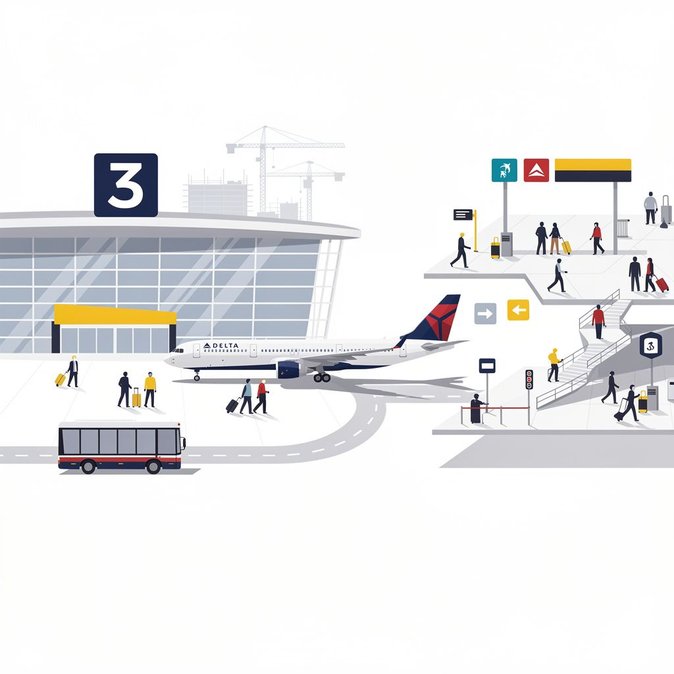
Delta Confirms All Flights Now Use Frankfurt’s Terminal 3 – New Processes for Corporate Travellers
Delta’s advisory issued 20 July confirms all its flights now use Frankfurt Airport’s new Terminal 3. The switch affects check-in, customs and ground-transport routines; travellers should allow extra transfer time and suppliers need new access permits.

Parliament Presses Government on Overhaul of UN Global Migration Compact
A formal enquiry filed in the Bundestag on 20 July demands details of Germany’s negotiating position on the UN Global Compact for Migration. The answer, due in early August, could pre-figure changes to visa quotas and corporate-sponsorship obligations, making it a must-watch for HR mobility teams.
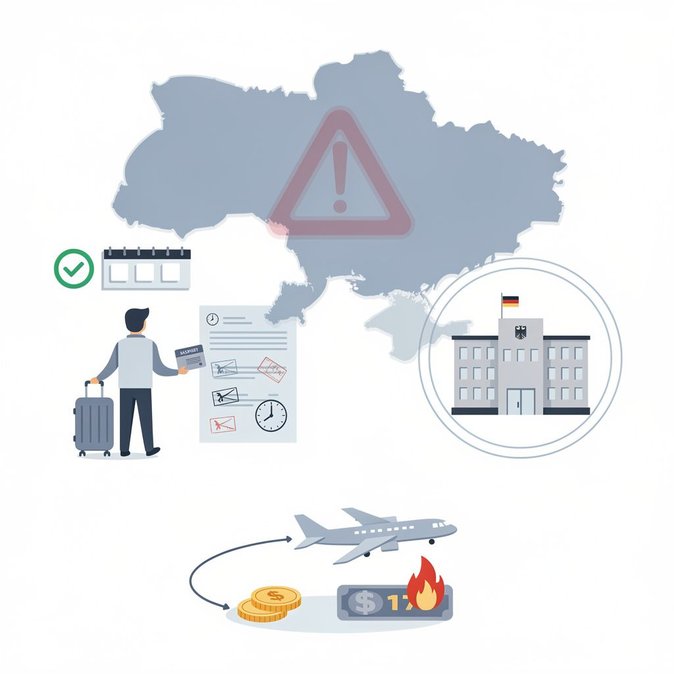
Germany Reiterates Ukraine Travel Warning; Consular Services Remain Limited
Berlin’s latest Ukraine update keeps the highest risk rating and reminds travellers that the German embassy can only provide emergency help. Short visits remain visa-free up to 90 days, but long-term assignments need advance D-visas – now taking around a month. Mobility planners should allow extra time and budget for war-risk surcharges.

Kosovo Tightens 90-Day Rule and Passport Validity Checks for German Visitors
Germany’s 20 July advisory for Kosovo underscores new rigour around passport validity, the 90-day stay limit and mandatory police registration. Offenders risk fines or bans, so employer compliance briefings and timely extension filings are essential.