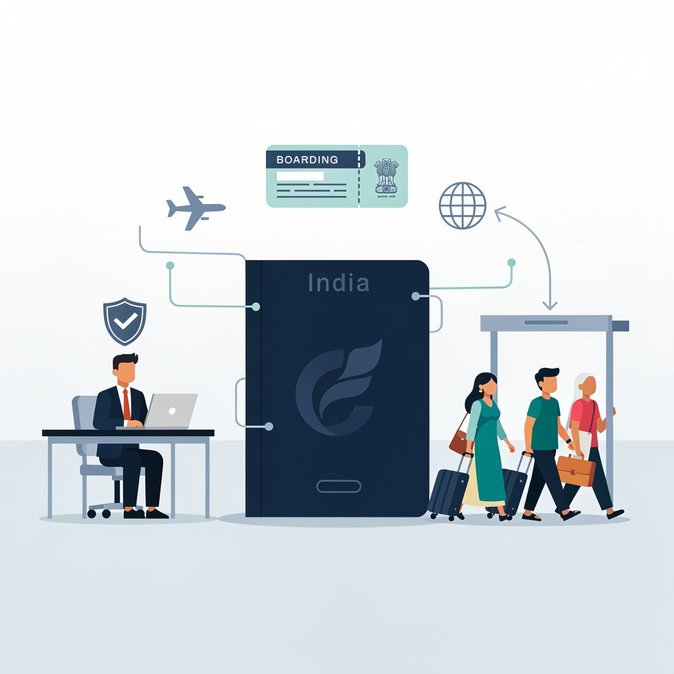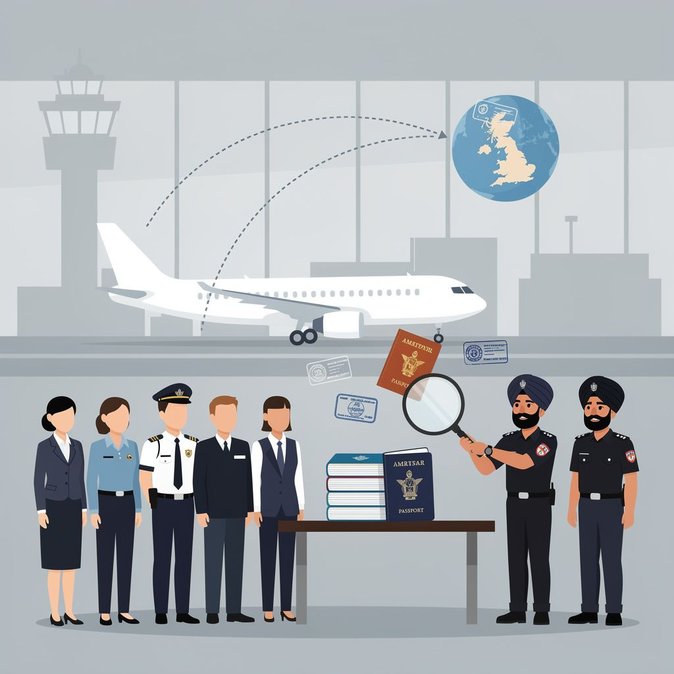
Punjab’s Bureau of Investigation (BOI) has summoned three Air India employees and four ground-handling contractors for a second round of questioning on 24 July, deepening a probe into a human-trafficking racket that exploited lax document checks at Amritsar’s Sri Guru Ram Dass Jee International Airport. The case dates back to January, when 14 passengers boarded Air India flights AI-169 and AI-117 to London using forged UK e-visas and employment papers displayed only on mobile phones. British Border Force officials intercepted the group on arrival; all 14 immediately claimed asylum and are now in detention centres across the UK. A Ministry of Home Affairs alert prompted the Punjab BOI to register an FIR in April under India’s new anti-human-smuggling provisions. Investigators allege airline staff failed to run mandatory online visa verification—even after British authorities warned Air India of discrepancies following the first breach on 11 January. Internal Air India compliance reports seen by Hindustan Times point to systemic gaps in check-in training and oversight. The SIT is also scrutinising eight travel agencies believed to have orchestrated the forgeries and to have communicated with airline personnel before the passengers flew. For global mobility and travel-risk managers the episode is a stark reminder that airlines, not just immigration officers, represent a critical compliance gate. Failure to verify documents can result in fines, carrier liaison fees and reputational damage that ultimately cascade onto corporate clients through higher ticket prices and stricter boarding checks. Companies routing assignees through secondary Indian airports should ensure employees carry hard-copy visas or printouts of electronic approvals and build in extra time for potential secondary screening while the investigation continues. Air India says it is co-operating fully and reviewing SOPs across all international stations.
Source: Hindustan Times