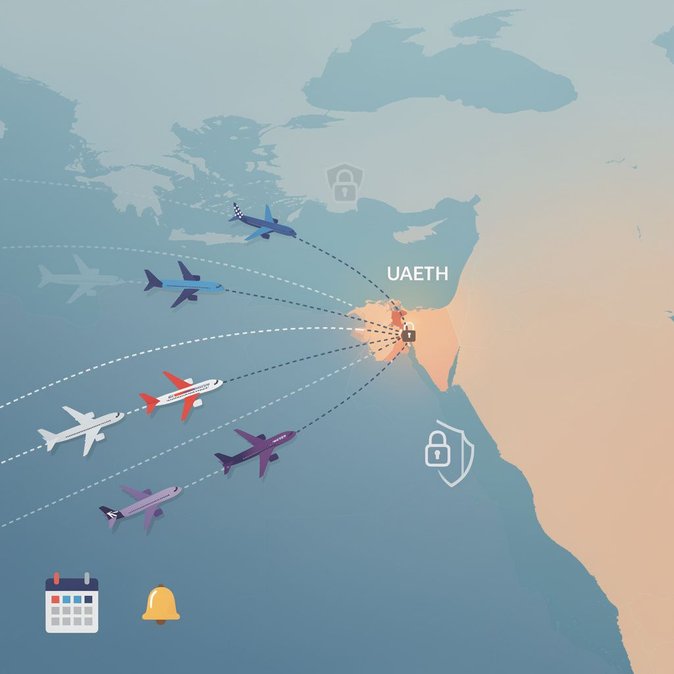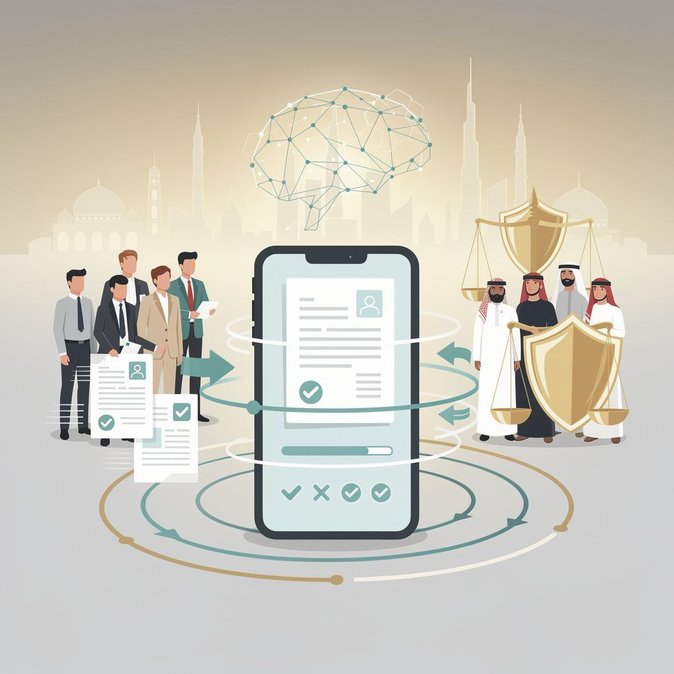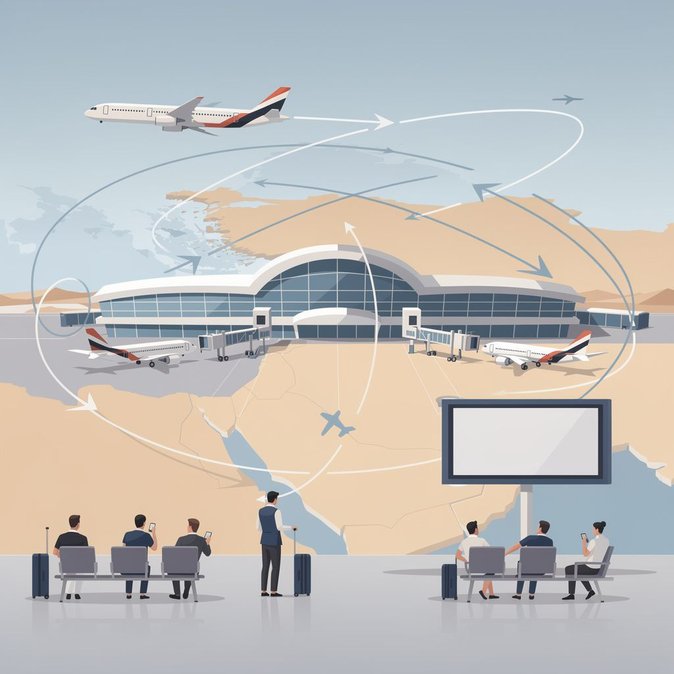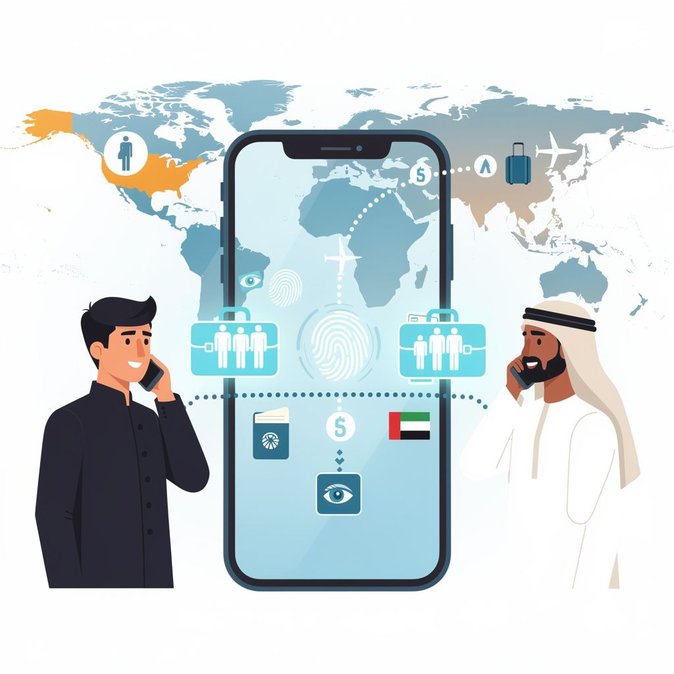
UAE President Sheikh Mohamed bin Zayed Al Nahyan and Indian Prime Minister Narendra Modi used a congratulatory phone call on 18 September – the Indian leader’s birthday – to take stock of the Comprehensive Economic Partnership Agreement (CEPA) that entered into force in 2023. According to state news agency WAM, the two leaders reviewed progress on labour-mobility provisions, customs cooperation and plans for joint skill-development centres that facilitate smoother deployment of Indian professionals to the Emirates. India supplies the UAE’s largest expatriate cohort – more than 3.5 million workers – and bilateral trade hit USD 85 billion in 2025/26. Executives at recruitment firms say CEPA’s mutual-recognition clauses for engineering and nursing qualifications have already cut credential-attestation times by 30 %, while a pilot fast-track work-permit channel for Indian SMEs was quietly expanded from 50 to 200 participating companies last month. Sheikh Mohamed and Modi also tasked officials with accelerating talks on a trusted-traveller corridor using biometric e-passports and pre-clearance, potentially shaving hours off arrival formalities at Dubai and Abu Dhabi airports. Sources at the UAE’s Federal Authority for Identity, Citizenship, Customs & Port Security (ICP) confirm a technical working group will meet in Abu Dhabi next week. For global mobility professionals the deepening partnership promises easier rotation of Indian project teams into UAE free zones and energy projects, but observers caution that quota ceilings in certain semi-skilled categories remain. Employers should therefore monitor forthcoming ICP circulars and ensure job contracts comply with new wage-protection transfer rules that apply to Indian nationals from January 2027. The leaders’ decision to anchor mobility issues at the strategic level signals that people-to-people flows will remain central to the UAE-India economic story – a welcome assurance for companies whose GCC operations depend on Indian talent.
Source: Emirates News Agency (WAM)