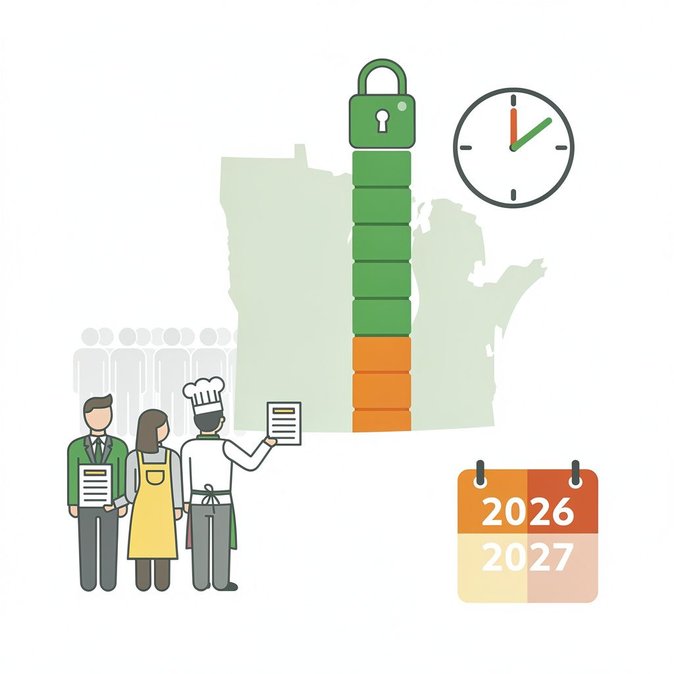
British Columbia’s Provincial Nominee Program (BC PNP) has issued 33 invitations to apply for provincial nomination through its Temporary Rural/Remote Health Support Initiative (TRHSI). The draw, held on September 17 and released publicly on September 18, marks only the second selection round since the TRHSI was launched in June 2026 to address chronic staffing shortages in small-community hospitals and long-term-care facilities. The TRHSI targets three National Occupational Classification (NOC) groups—light-duty cleaners, heavy-duty cleaners and security guards—employed by one of eight B.C. public-health authorities in communities outside Metro Vancouver, Victoria and most of the Okanagan. Candidates needed a score of 60 points—10 points higher than the maiden draw in July—to receive an invitation, suggesting early demand has tightened competition. Successful registrants will have nine months of qualifying experience and a permanent full-time job offer, making them eligible for nomination and, subsequently, permanent residence (PR) once federal processing is complete. From a labour-market perspective, the TRHSI is part of the province’s wider “Care-Build-Innovate” strategy, which received an extra 1,000 federal nomination spaces this year. British Columbia plans to nominate up to 250 workers through this stream before it closes to new registrations on October 7, 2026. Employers benefit by stabilising essential support roles that experience high turnover, while nominees gain access to bridging open work permits that allow them to remain in Canada during federal PR processing. For multinational health-care contractors, the draw signals that B.C. is prepared to fast-track lower-skilled but mission-critical staff into permanent roles—an unusual move in Canada’s traditionally skilled-worker-focused immigration landscape. Companies with contracts in remote regions should review their foreign-worker rosters quickly; once the 250-place cap is reached, access to the stream will disappear until at least 2027. Prospective applicants still awaiting an invitation are advised to confirm that income, residency and security-clearance requirements remain valid, and to gather police certificates early to avoid delays during the nomination stage. With just weeks left before registration closes, advance document preparation could be the difference between securing Canadian permanent residence in 2026 or having to wait another year.
Source: CIC News