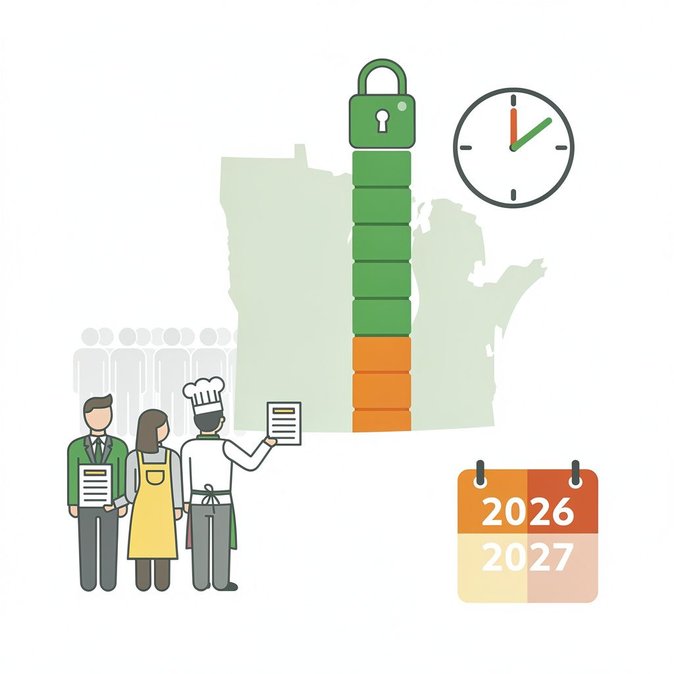
A new federal public policy allows most foreign workers holding valid Canadian work permits to enrol in short-term study programs of up to six months without obtaining a separate study permit. The measure, announced by IRCC on September 9 and widely reported on September 18, took effect retroactively on September 4 and will run until December 31, 2027, unless revoked earlier. Previously, the six-month study-permit exemption applied only if the training ended before a work-permit extension was issued. The revised rules remove that timing constraint, opening the door for thousands of temporary workers to pursue language courses, skills upgrades or licensing preparation while maintaining full-time employment. Policy architects say the change is intended to help address credential-recognition hurdles in health care and the skilled trades—sectors facing acute labour shortages. For example, internationally-trained nurses can now complete condensed bridging programs without pausing work or enduring lengthy study-permit processing. However, IRCC warns that work experience accumulated while a person studies full-time does not count toward Canadian Experience Class eligibility, a nuance that could affect Express Entry points. Employers should review collective agreements and provincial accreditation requirements: some licensing bodies still require study permits before issuing practice authorisations, regardless of federal immigration rules. Workers must also ensure their chosen program—including practicums or internships—fits within the six-month cap, or risk non-compliance. Mobility managers should update assignment letters and global-mobility handbooks, highlighting the new flexibility but also clarifying that the policy does not create a fresh immigration pathway. Strategic use of the exemption could reduce training costs and minimise project downtime, especially in remote areas where program start dates are inflexible.
Source: Frequency News