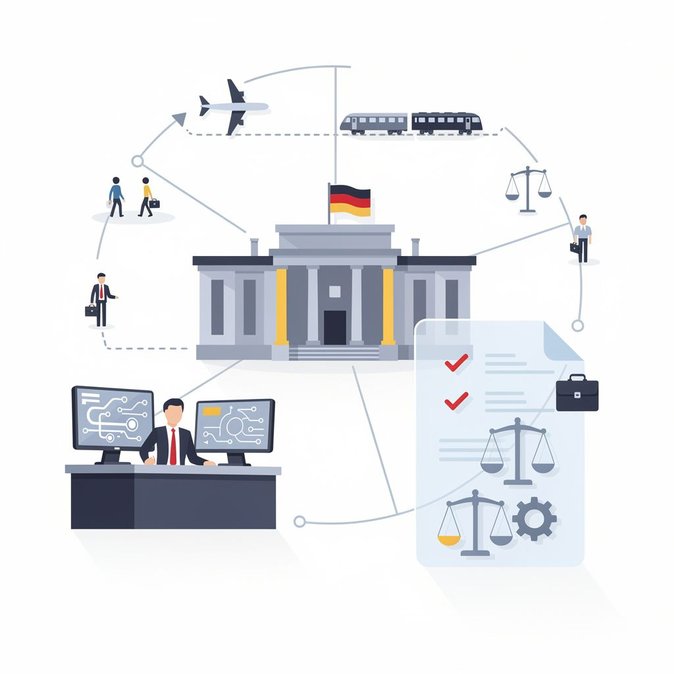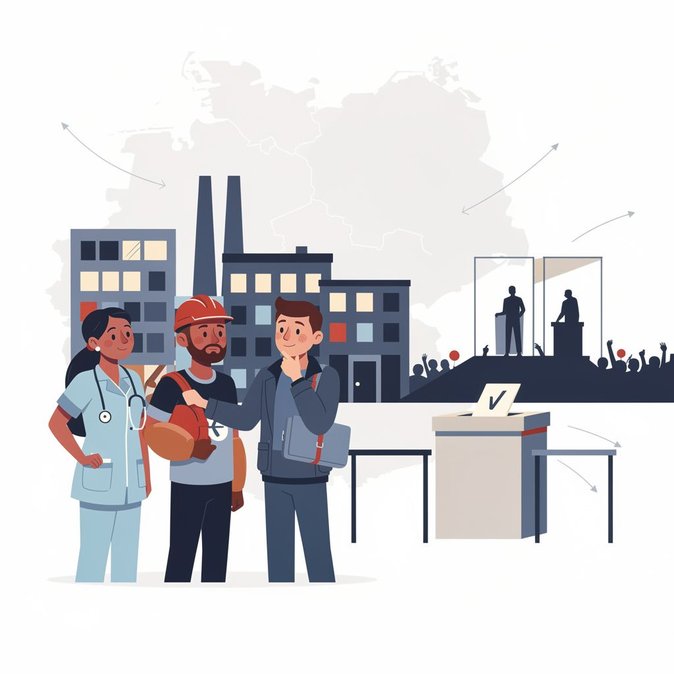
Immigrants living in Mecklenburg-Western Pomerania say the political atmosphere has deteriorated sharply as the far-right Alternative für Deutschland (AfD) consolidates its lead before Sunday’s state election. Reuters interviewed 20 long-term migrants in Rostock and Schwerin—many of whom are now German citizens—who reported a surge in everyday hostility, from abusive comments on the street to vandalism and social-media harassment. The AfD was once a eurosceptic fringe movement, but the 2015 refugee influx—and lingering concerns about irregular migration—propelled it into Germany’s political mainstream. National polls now place the party ahead of Chancellor Friedrich Merz’s governing CDU/CSU-led coalition. In eastern states with ageing workforces and labour shortages, AfD candidates insist they support “skilled immigration” but want “remigration” for the estimated 250,000 foreigners whose asylum claims have been rejected. Business groups warn the rhetoric is already damaging regional competitiveness. Around 50,000 people with a migration background are employed in the state, filling gaps in healthcare, tourism and manufacturing. Labour-office data show that among Syrians resident for seven years or more, 60 % are now in work—yet employers say some staff are weighing moves to western Germany or abroad because they no longer feel welcome. For corporate mobility managers the message is clear: political risk is no longer confined to national elections. Companies with operations in eastern Germany may need to step up duty-of-care briefings, review talent-retention incentives and monitor local sentiment, especially for assignees with visible migrant backgrounds. HR teams should also track any state-level initiatives that could tighten residency rules if AfD influence grows after Sunday’s vote.
Source: Reuters via Investing.com