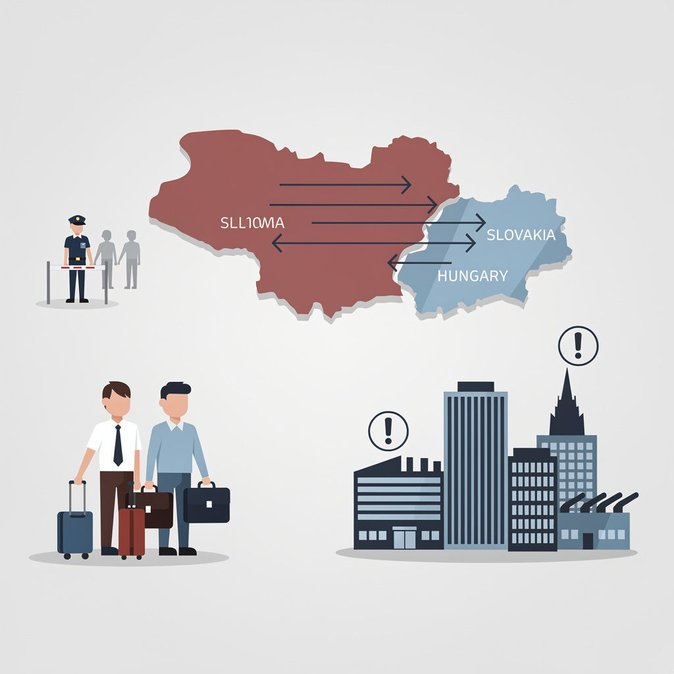
Fresh statistics released on 25 September by Austria’s Federal Office for Immigration and Asylum (BFA) show a sharp rise in the removal of EU citizens who fail to meet residence conditions. In the first half of 2026 Austria deported 3,462 people—an increase of 22 % on the same period last year—with Slovak, Hungarian and Romanian nationals topping the list. The figures, first reported by The Local and confirmed by the Interior Ministry, underscore Vienna’s tougher stance on so-called ‘benefit tourism’ and public-order breaches. Of the total removals, 1,078 involved Slovak citizens and 718 Hungarians, making up over half of all deported EU nationals. Officials stress that deportation is a last resort imposed only after an expulsion order (Ausweisung) becomes enforceable, or when a residence ban (Aufenthaltsverbot) is breached. Nevertheless, civil-society groups argue that many affected individuals were low-income workers or job-seekers who fell foul of documentation rules rather than posing a security threat. Under EU free-movement law, citizens may stay in another member state for more than three months only if they are employed, self-employed, studying or have sufficient resources and health insurance. Austria tightened the evidentiary thresholds last year, requiring proof of comprehensive insurance and “genuine employment” with minimum working hours. Critics say the BFA has interpreted those provisions aggressively, issuing departure orders for seasonal workers who miss pay-slip deadlines or whose contracts lapse. For employers the message is clear: ensure that EU assignees on long-term projects maintain valid registration certificates (Anmeldebescheinigung) and that HR records can be produced on demand. Mobility managers should also brief assignees on the consequences of minor criminal convictions, which can trigger a residence-ban procedure even for long-standing EU residents. Companies operating near border regions—including logistics hubs in Lower Austria and Burgenland—face additional scrutiny because police routinely check worksites during joint operations with customs authorities. The political debate is unlikely to cool soon. Interior Minister Gerhard Karner defended the policy, noting that almost half of those removed had criminal records. The opposition Greens have called for an ombudsman to review deportation cases and for better legal aid to help EU citizens appeal. Meanwhile, Brussels is monitoring whether Austria’s practices comply with proportionality requirements under Directive 2004/38/EC. Any infringement procedure could complicate Austria’s bid to restore full Schengen free movement at its land borders in 2027.
Source: The Local Austria
How VisaHQ can help
VisaHQ simplifies the visa application process for individuals and businesses. Check current travel requirements, prepare the required documents and manage your application online through the VisaHQ Austria portal.More From Austria
View all
First Weekend Travel Test as Vienna’s Core S-Bahn Line Closes; Tourism Board Issues Detailed Airport Transfer Guide

Vienna’s Jobmesse Austria draws 80 employers in push for skilled talent mobility