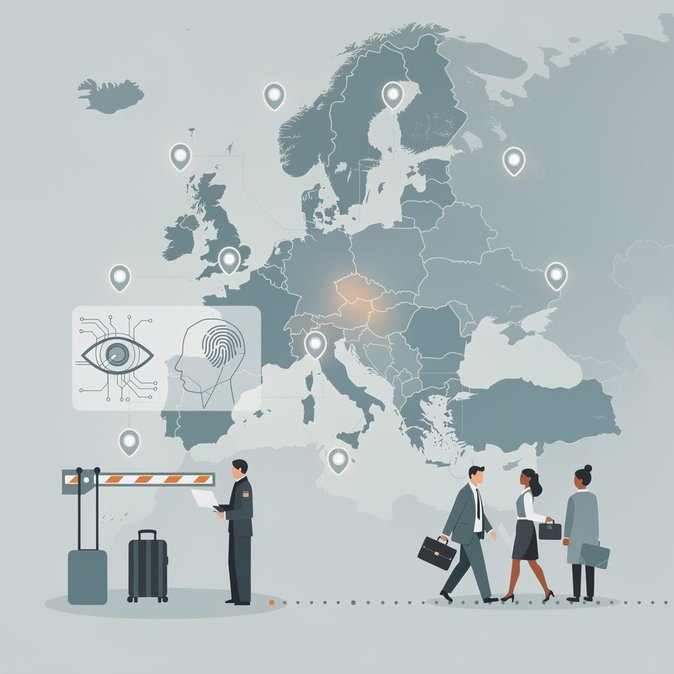
Barely 100 days after the EU Pact on Migration and Asylum entered into force, senior officials from 18 European capitals – Austria among them – met in Munich on 25 September to consider reopening some of its most sensitive provisions. Multiple diplomatic sources confirmed to The European Times that Austria’s Interior Ministry delegation pushed for quicker return procedures and stronger use of artificial-intelligence tools at external borders. The informal talks, convened by the German Federal Ministry of the Interior, focused on three controversial ideas: (1) piloting AI-assisted screening of asylum applications, (2) expanding the Eurodac biometric database to store additional data gathered during border checks, and (3) allowing a swifter withdrawal of protection from foreigners convicted of serious crimes. Although no formal decisions were taken, participants agreed to submit a non-paper to next week’s Justice and Home Affairs Council in Luxembourg – signalling that amendments to the freshly minted legislation are on the table. For Austria, the timing is politically charged. The governing coalition faces strong pressure from the opposition Freedom Party to demonstrate that it can curb irregular migration without jeopardising Schengen travel or corporate mobility. Vienna therefore finds itself balancing two interests: protecting the free movement that underpins its export-oriented economy, while backing tougher enforcement that plays well with domestic voters. Business chambers are already warning that any measures that slow border crossings – such as more intrusive AI risk scoring – could hamper high-frequency business travel to neighbouring markets in Germany, Hungary and Italy. Practical implications for employers are immediate. Companies that relocate staff under the EU ICT Permit or post workers under the EU Posted Workers Directive should anticipate new data-collection requirements at airports and land borders, and possibly longer processing times for third-country national assignees. In-house mobility teams are advised to audit data-protection clauses in assignment letters and to brief travelling employees on the possibility of additional biometric checks. Compliance officers should also monitor the AI Act, which classifies migration-control algorithms as “high-risk” systems subject to strict human-oversight and transparency obligations, due to apply from December 2027. The Munich meeting is only the opening round. Any change to the pact would still need to clear the European Parliament and survive potential legal challenges at the Court of Justice. For now, organisations with pan-European mobility programmes should prepare talking points for concerned assignees, ensure travel policies reference the Entry/Exit System, and stay alert for further political signals at the 17 October European Council summit.
Source: The European Times
How VisaHQ can help
VisaHQ simplifies the visa application process for individuals and businesses. Check current travel requirements, prepare the required documents and manage your application online through the VisaHQ Austria portal.More From Austria
View all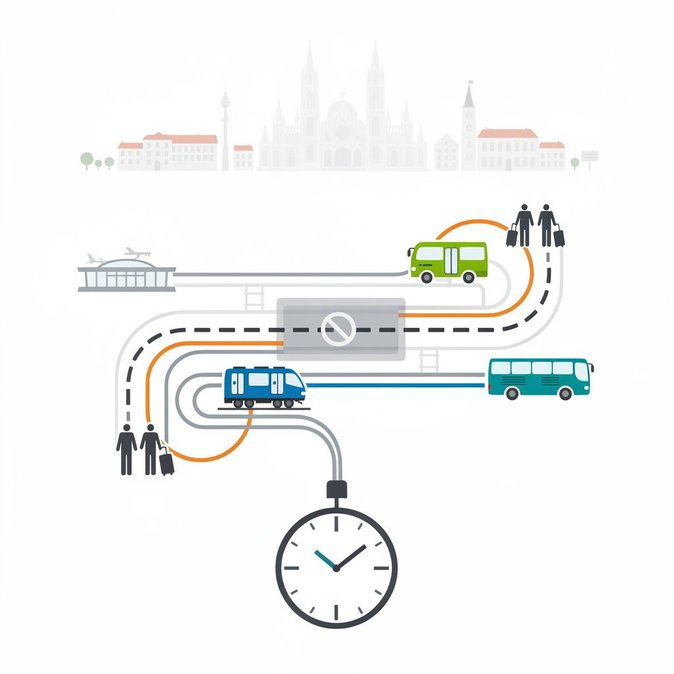
First Weekend Travel Test as Vienna’s Core S-Bahn Line Closes; Tourism Board Issues Detailed Airport Transfer Guide

Vienna’s Jobmesse Austria draws 80 employers in push for skilled talent mobility