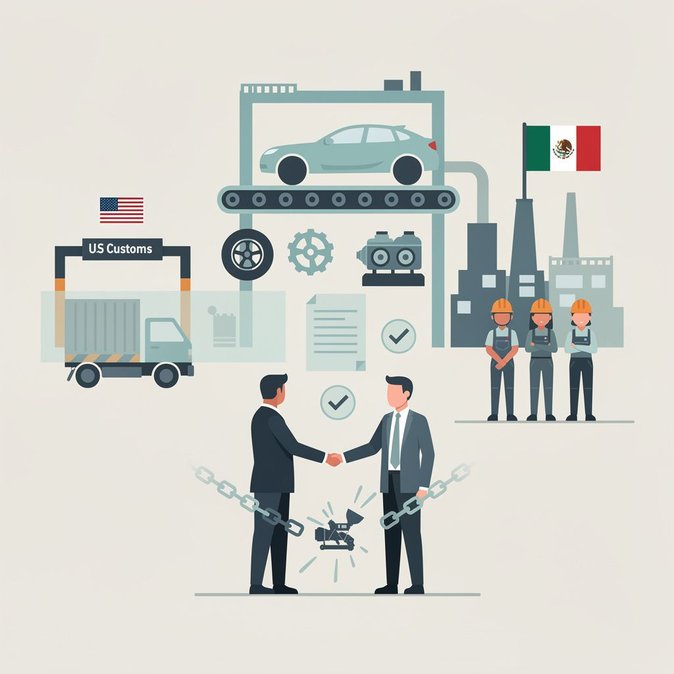
The Office of the U.S. Trade Representative announced on September 28 that it has lifted import holds on Akwel Juárez México, an auto-parts plant in Ciudad Juárez, after the facility satisfied remediation terms under the USMCA Rapid Response Labor Mechanism. The original U.S. petition—filed in 2024—alleged union-busting, retaliatory firings and refusal to bargain. Over the last 20 months, Akwel reinstated dismissed workers with back pay, overhauled HR practices, and posted neutrality pledges; Mexican labor authorities monitored compliance and imposed fines. The resolution allows U.S. Customs to resume liquidation of auto-parts entries, a relief for OEM supply-chains that had scrambled to source alternatives amid uncertainty. Companies using the plant’s plastic fuel-system components can now re-align just-in-time inventories without the 30 percent contingency premiums seen in recent weeks. For global mobility managers, the case is a reminder that labor violations can trigger border actions imperilling production visas and intra-company transfers. HR should coordinate with legal teams to audit Mexican subsidiaries for freedom-of-association risks that could spark new petitions. USTR signalled that more petitions are in the pipeline—underscoring that personnel policies abroad now carry direct U.S. border consequences. Multinationals should incorporate labor-rights due-diligence into cross-border assignment planning.