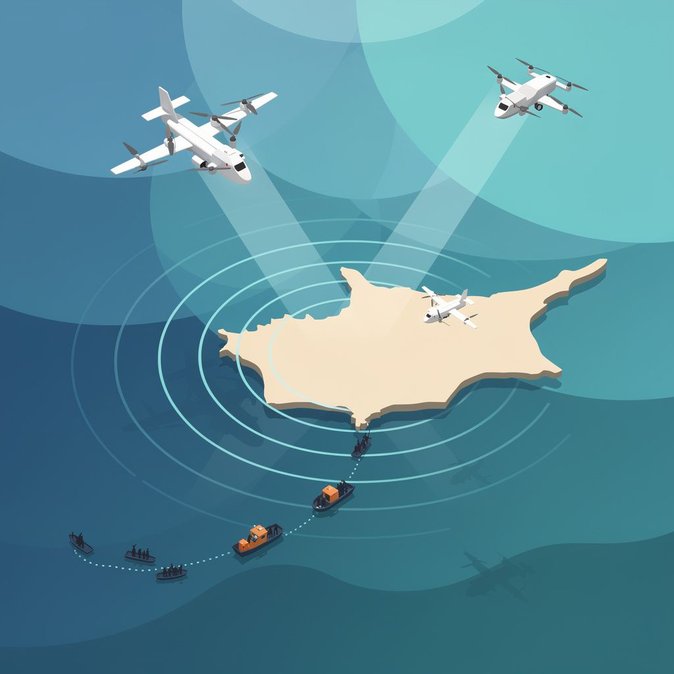
Speaking at the MigraMed 2026 conference on 7 October, Deputy Minister of Migration and International Protection Nikolas Ioannides outlined the government’s strategy to reconcile humanitarian obligations with effective border management. The annual forum, hosted at the University of Cyprus, convenes policy-makers from the Eastern Mediterranean to discuss regional migration challenges. Ioannides highlighted Cyprus’ dual priorities: accelerating asylum decisions – the average processing time has already fallen from 18 to 9 months since 2024 – and expanding legal pathways, including a skilled-labour visa for the fast-growing tech sector and an updated family-reunification track. He urged EU partners to adopt the long-delayed Migration & Asylum Pact, arguing that mandatory solidarity “is not a menu à la carte”. The minister also announced that Cyprus will pilot a digital case-management platform based on blockchain to reduce fraud and enable real-time data-sharing with Frontex and Europol. A memorandum of understanding with Estonia’s e-governance academy will see the system go live by March 2027. Conference delegates from Greece and Lebanon praised Cyprus’ Assisted Voluntary Return Scheme, which has facilitated the departure of 1,800 Syrians so far this year. NGOs, however, pressed for clearer safeguards to ensure returns remain fully voluntary and for greater investment in integration programmes for recognised refugees. For business, the most immediate takeaway is the planned skilled-labour route: companies will be able to sponsor non-EU specialists for three-year permits provided salaries meet 1.5 times the national median and at least 30 percent of staff are EU or Cypriot nationals. HR and mobility teams should start mapping critical roles that could benefit once the scheme opens in January 2027.
Source: Cyprus News Agency (CNA)