UK airport e-gates to become passport-free and contactless by early 2027
UK Government Introduces Immigration and Asylum Bill 2026, Promising ‘System-Wide Reset’
UK Government unveils sweeping Immigration and Asylum Bill, tightening Article 8 family-life claims
Latest News

Government publishes Article 8 reform factsheet as Immigration & Asylum Bill reaches report stage
A new Home Office factsheet outlines clauses in the Immigration and Asylum Bill that will narrow the scope of Article 8 family- and private-life claims in immigration cases. The reforms aim to prioritise the public interest in immigration control and could make it harder for overstayers and certain dependants to secure leave to remain, affecting corporate mobility risk profiles.
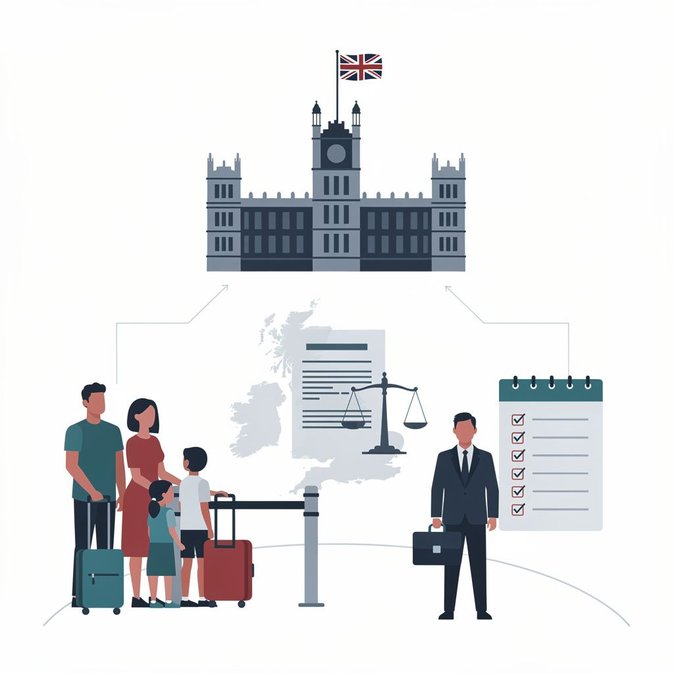
UK unveils major Article 8 overhaul in new Immigration and Asylum Bill
The Immigration and Asylum Bill introduced on 8 October 2026 would tighten the UK’s interpretation of Article 8 ECHR by limiting family-life claims, strengthening the public-interest test and requiring most out-of-country claims to be sponsored from within the UK. The government says the reforms are needed to restore confidence in immigration control and reduce misuse of human-rights routes. Employers should expect stricter compliance expectations and plan future assignments accordingly.

Sponsor guidance updated: Skilled Worker visa holders who are modern-slavery victims freed from tied-sponsor rule
New sponsor-licence guidance allows Skilled Worker migrants identified as modern-slavery victims to switch employers immediately, removing a key barrier to escaping exploitation. Sponsors must familiarise themselves with the evidential requirements and adapt compliance processes accordingly.

Statement of Changes HC 584 brings wide-ranging Immigration Rule amendments into force
Statement of Changes HC 584, effective 8 October 2026, updates multiple sections of the Immigration Rules, including visitor visa requirements, skilled-worker provisions and new routes for specific veteran groups. Companies must ensure all applications and policy documents now reference the amended rules.

Article 8 Rights to be Re-Balanced Under New UK Bill
A Home Office factsheet published today details how Article 8 family-life rights will be tightened: only immediate family will normally qualify, sponsors must file applications from the UK, and decision-makers must prioritise the public interest in immigration control. Businesses relying on extended-family support for mobile staff should prepare for narrower discretionary leave options.
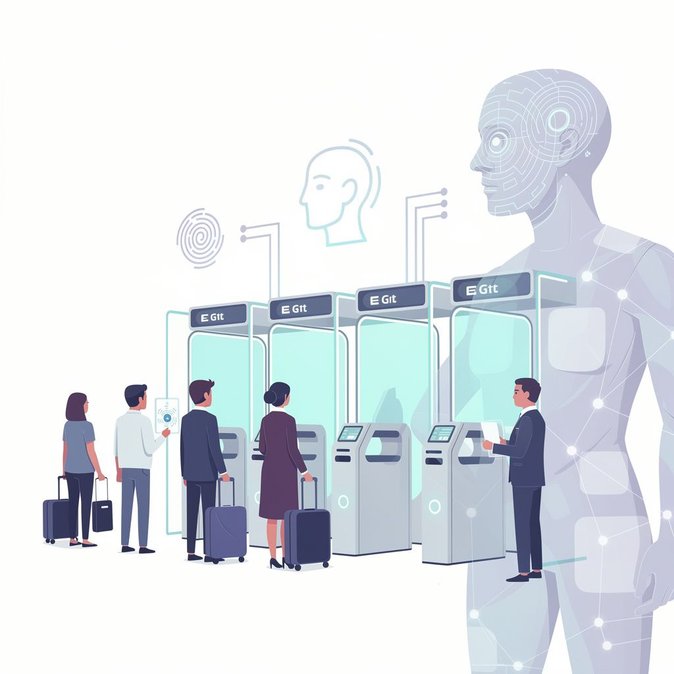
Passport-free facial-recognition eGates start UK rollout at East Midlands Airport
New ‘contactless’ eGates allowing passport-free entry began operations at East Midlands on 6 October and were formally announced on 8 October. The technology, set to reach all UK eGate airports by 2027, promises quicker arrivals for British passengers but raises fresh privacy debates.

Visitor-visa handbook overhauled: Erasmus+ activities and expanded business training now permitted
Version 18 of UKVI’s Visit Caseworker Guidance, published 8 October, formally allows Erasmus+ exchanges and widens the definition of permitted business-training activities. The overhaul tightens documentation checks and adds new examples, meaning companies must update invitation letters and compliance files for staff and clients entering under the visitor route.

Expanded Right-to-Work regime: what UK employers need to know post-1 October
One week after coming into force, the UK’s widened Right-to-Work rules expose any entity in a labour supply chain to civil penalties unless contracts signed from 1 October include mandated immigration-check clauses. Legal experts advise immediate audits of supplier agreements, digital-ID providers and substitution provisions to protect sponsor licences and avoid fines.

Independent Immigration Appeals Authority: Blueprint Released
A Home Office factsheet confirms that a new Independent Immigration Appeals Authority will replace the First-tier Tribunal for future cases, using a single-appeal route and digital hearings to cut a 156,000-case backlog. Faster but more compressed timelines will affect employers contesting sponsorship refusals.
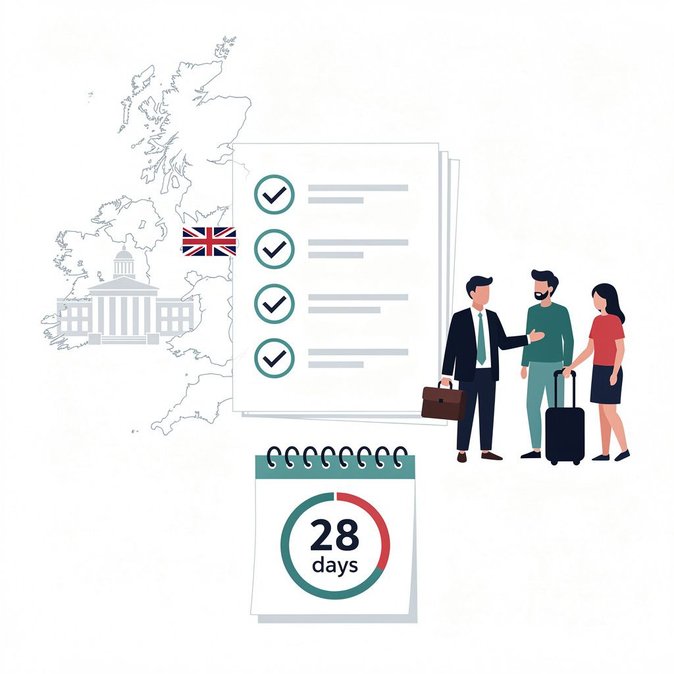
Comprehensive Immigration Rules Update Takes Effect Today
The consolidated Immigration Rules published on 8 October 2026 implement Statement of Changes HC 584, altering Government Authorised Exchange, Hong Kong BN(O), Long Residence and Visitor provisions. Employers and mobility providers must align documentation immediately, as a 28-day grace period begins today.

Sponsor Guidance Overhauled: Employers Barred from Passing Visa Costs to Workers
Updated sponsor guidance published on 8 October 2026 makes it a revocable offence for employers to charge sponsored workers any part of visa fees, extends right-to-work obligations to gig-economy arrangements and introduces protections for modern-slavery victims. Immediate contract reviews are advised.

Independent investigation finds Home Office AI tool misfires on thousands of asylum claims
The Independent reports that a Home Office AI system used to summarise asylum-seeker interviews has shown a high error rate in internal tests, sparking calls for an immediate audit. As the same technology is earmarked for wider immigration compliance functions, any pause or redesign could slow visa processing and increase costs for UK sponsors.

Home Office republishes 8 October fee table—confirms no rise but unveils four new employer services
The updated immigration-fee table taking effect on 8 October does not increase any headline visa costs but introduces four optional, chargeable services for employers, signalling a shift toward user-pays enhancements even as base fees stand still.

Visit-visa case-worker guidance updated: new examples for business and Erasmus+ visitors
Fresh Visit Caseworker Guidance released on 8 October clarifies what business, Erasmus+ and creative visitors may do in the UK, adding real-life examples for PA7 activities. Firms can use the wording to reduce refusal risk, but should note that complex cases will still be escalated internally.
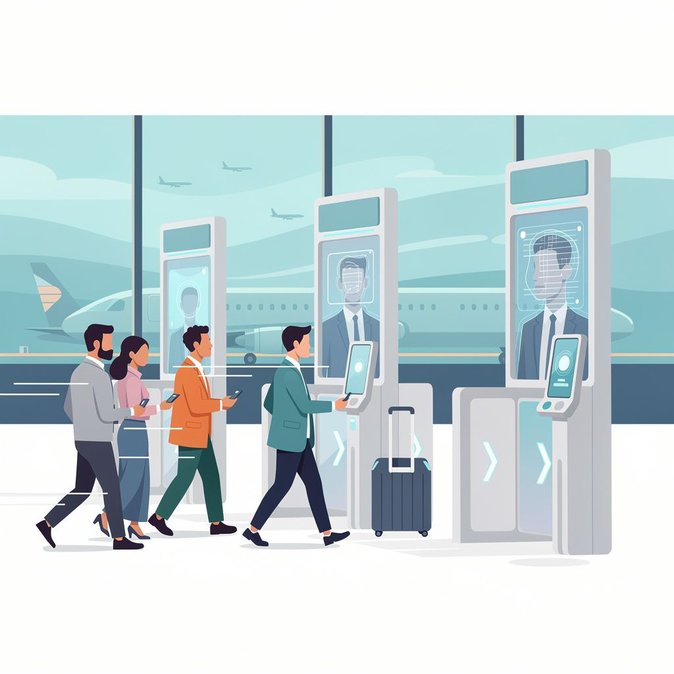
Passport-Free eGates Debut as UK Starts Contactless Border Roll-Out
Euronews reports that contactless, passport-free eGates were switched on at East Midlands Airport on 8 October 2026, starting a Border Force upgrade that will reach all major UK airports by 2027. The technology promises 25 % faster processing for UK and, later, ETA-eligible business travellers.

Visitor Guidance Updated: Erasmus+ Activities and New Business Clarifications
Version 18.0 of the Visitor Caseworker Guidance, published 8 October 2026, green-lights Erasmus+ mobility, expands examples of permitted business and creative activities, and introduces a limited caregiver concession—all relevant to short-term assignees and event staff.

Sponsor Guidance revised: modern-slavery protection and right-to-work changes for employers
New sponsor guidance dated 8 October tightens employer duties, introduces safeguards for modern-slavery victims on the Skilled Worker route and removes the resident-labour test for Religious Workers from late October. Sponsors must align HR systems with the revised right-to-work checks and prepare for user-role changes in 2027.
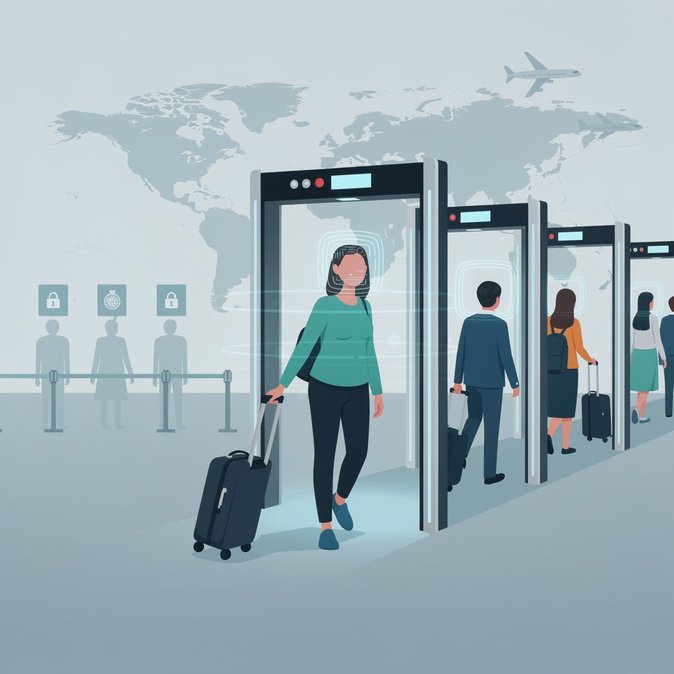
Home Office starts live rollout of passport-free contactless eGates
The Home Office has switched on the UK’s first passport-free ‘contactless eGates’, initially for British citizens at East Midlands Airport, with nationwide conversion due by early 2027. The system performs all security checks using a live facial image matched to pre-cleared travel data, delivering faster processing and advancing the UK’s vision of a fully digital border. Businesses should see shorter queues but must still ensure travellers carry a valid passport. ([lexisnexis.co.uk](https://www.lexisnexis.co.uk/legal/news/home-office-begins-rollout-of-contactless-egates-at-uk-airports))

UK launches contactless e-Gates, allowing passport-free entry for eligible travellers
The Home Office has started a nationwide roll-out of contactless e-Gates that use live facial recognition to verify travellers without scanning a passport. The system went live on 6 October and will reach all UK airports by early 2027, cutting queue times and dovetailing with the Electronic Travel Authorisation scheme. Business travellers will benefit from quicker, more predictable arrivals but must hold a valid ETA or eVisa, as carriers face penalties for boarding ineligible passengers.
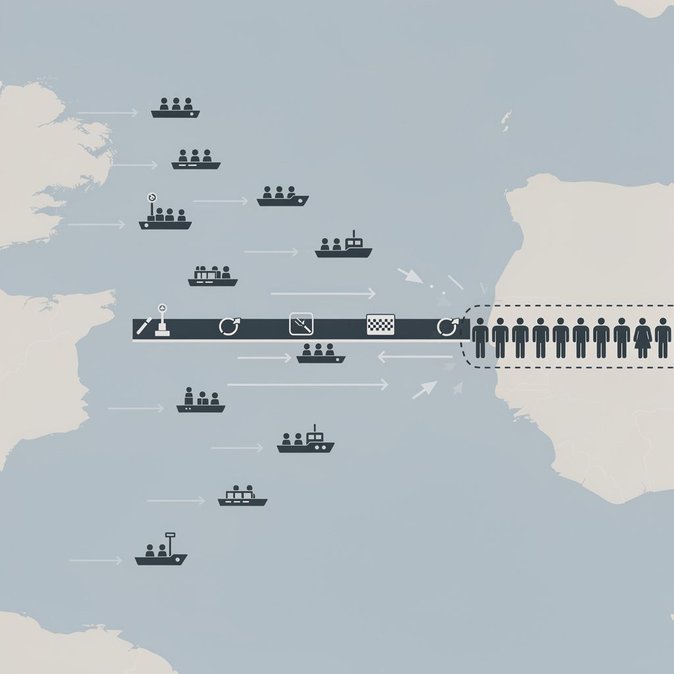
Latest Channel Small-Boat Figures Show 1,620 Arrivals in First Week of October
Transparency data published on 7 October shows 1,620 migrants crossed the Channel in small boats between 30 September and 6 October, with the largest single-day total (609) recorded on 5 October. The update highlights continuing pressure on the UK border and the likelihood of reactive policy measures affecting legitimate travellers.

India-UK Financial Markets Dialogue underlines mobility gains from new CETA
The joint statement from the 7 October India-UK Financial Markets Dialogue stresses full implementation of the new UK-India CETA, which offers 90-day visa-free business travel and faster permits for intra-company transferees. Mobility benefits are expected to facilitate fintech, asset-management and green-finance projects reliant on rapid staff deployment between the two countries. ([gov.uk](https://www.gov.uk/government/publications/india-uk-4th-financial-markets-dialogue-joint-statement/india-uk-4th-financial-markets-dialogue-joint-statement))

India-UK dialogue flags Business Mobility chapter as CETA implementation gathers pace
A UK-India joint statement published 7 October spotlights the Business Mobility chapter of the new UK-India trade deal, promising faster visa processing and reserved quotas for intra-company transfers. Employers expect lower costs and greater certainty when seconding staff between the two services-driven economies, although visa requirements remain in place.

Irregular Channel crossings surge past 1,600 in three days, official figures show
Home Office data updated on 7 October shows 1,620 small-boat arrivals in the past week, including 609 people on a single day. Although focused on irregular migration, the surge may affect border staffing and future immigration policy decisions that influence corporate sponsorship and visa costs.