Wide-ranging Statement of Changes HC 584 comes into force, overhauling multiple UK visa routes
UK boosts protection for modern-slavery victims by allowing Skilled Worker visa holders to change employers
UK eases job-switch rules for exploited Skilled Worker visa holders
Latest News

Visitor guidance version 18 published: Erasmus+ reinstated and business activity rules clarified
Version 18 of the Home Office’s visit-visa guidance, published 8 October 2026, confirms Erasmus+ exchanges are once again permitted, expands examples of allowable short-term business activities and clarifies rules on caring for relatives. Stronger documentary requirements and a new credibility matrix mean travel managers should review invitation templates and traveller briefings without delay.

September figures show Skilled Worker and Care visas down 40-60 percent year-on-year
Official Home Office statistics for September 2026 show Skilled Worker applications down 43 % and Health & Care Worker visas down 63 % year-on-year, with dependants following suit. The sharp declines highlight the impact of tougher compliance rules and rising costs, signalling longer lead-times and higher competition for domestic talent in the year ahead.

Article 8 reform factsheet signals tougher family-life claims under new Immigration and Asylum Bill
A Home Office factsheet on the Immigration and Asylum Bill, published 8 October 2026, sets out plans to narrow Article 8 family-life protections, giving immigration control greater weight and requiring overseas-based claimants to have a UK sponsor. The proposed shift could reduce appeal backlogs but tighten settlement options for employees with extended families.
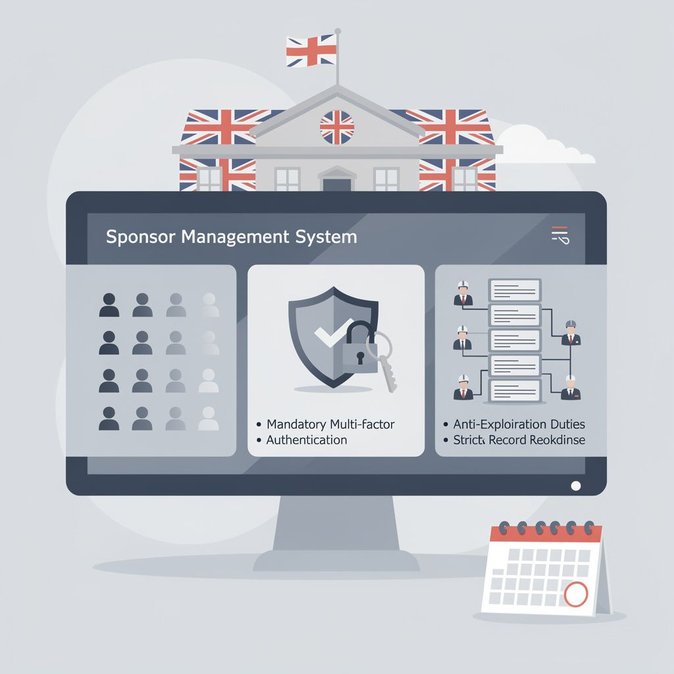
Sponsor guidance updated to include Right-to-Work Scheme changes and HC 584 compliance duties
An 8 October Home Office update to Sponsor Guidance introduces mandatory MFA for Sponsor Management System users, phases out Level 2 Users and embeds HC 584’s anti-exploitation duties into record-keeping rules. Sponsors have until late October to comply, with audit visits expected early next year.
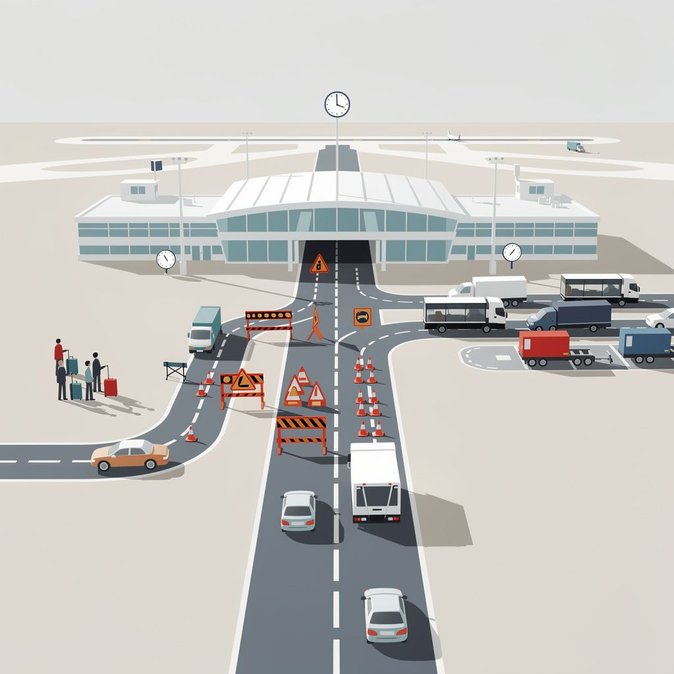
Heathrow issues series of 8 October Operational Advice Notices, signalling weekend road and tunnel closures
Six new Heathrow Operational Advice Notices dated 8 October flag major road, tunnel and taxiway closures that could disrupt cargo movements and passenger transfers over the half-term weekend. Travel managers and operators are advised to build in up to 40 minutes’ extra journey time and to monitor Heathrow’s live updates.

Article 8 eligibility tightened as Immigration & Asylum Bill clears committee stage
An 8 October Home Office factsheet shows the forthcoming Immigration & Asylum Bill will make it significantly harder for migrants to secure leave to remain via Article 8 ‘family/private life’ arguments. The change aims to curb discretionary grants that the government estimates cost taxpayers £4.9 billion over a lifetime cohort, but could raise humanitarian and compliance questions for employers.

Eurostar issues strike alert: multiple London-Paris services cancelled for 12 October
Eurostar has cancelled at least two London–Paris trains on Monday 12 October due to a security-staff strike, according to an update posted on 9 October. Business travellers face reduced capacity and potential knock-on delays, so companies should rebook or refund affected journeys swiftly and verify ETA compliance for any air rerouting.

Parliament publishes wave of new amendments to Immigration and Asylum Bill
A 54-page amendment paper published on 9 October reveals more than 90 new proposals to reshape the Government’s Immigration and Asylum Bill. Amendments range from bolstering the independence of the new appeals body to tightening enforcement language—changes that could significantly impact sponsor compliance, appeal timelines and removal procedures.

UK airport e-gates to become passport-free and contactless by early 2027
The Home Office has started upgrading eGates with contactless facial-recognition technology, beginning at East Midlands Airport on 6 October. The roll-out will cover all UK airports with eGates by early 2027, ultimately allowing eligible passengers to clear the border without presenting a passport. The change is expected to speed up arrivals by around 25 percent and dovetails with the UK’s wider shift to digital border controls.

UK Government Introduces Immigration and Asylum Bill 2026, Promising ‘System-Wide Reset’
The Home Office laid the Immigration and Asylum Bill 2026 before Parliament on 8 October 2026. The Bill creates an Independent Immigration Appeals Authority, tightens the use of Article 8 family-life rights, merges refugee protection categories and introduces cost-recovery for asylum support. If enacted, it will accelerate removals, shorten appeal times and change eligibility for some dependants—issues that directly affect corporate mobility planning.

UK Government unveils sweeping Immigration and Asylum Bill, tightening Article 8 family-life claims
A draft Immigration and Asylum Bill published on 8 October seeks to narrow the scope of Article 8 family-life claims, require overseas sponsors for such applications and give greater weight to the public interest in immigration control. The move aims to cut misuse of human-rights arguments that currently block removals and to reduce fiscal costs. Corporates will need to reassess how they support dependants and expect faster enforcement against overstayers.

Government publishes Article 8 reform factsheet as Immigration & Asylum Bill reaches report stage
A new Home Office factsheet outlines clauses in the Immigration and Asylum Bill that will narrow the scope of Article 8 family- and private-life claims in immigration cases. The reforms aim to prioritise the public interest in immigration control and could make it harder for overstayers and certain dependants to secure leave to remain, affecting corporate mobility risk profiles.
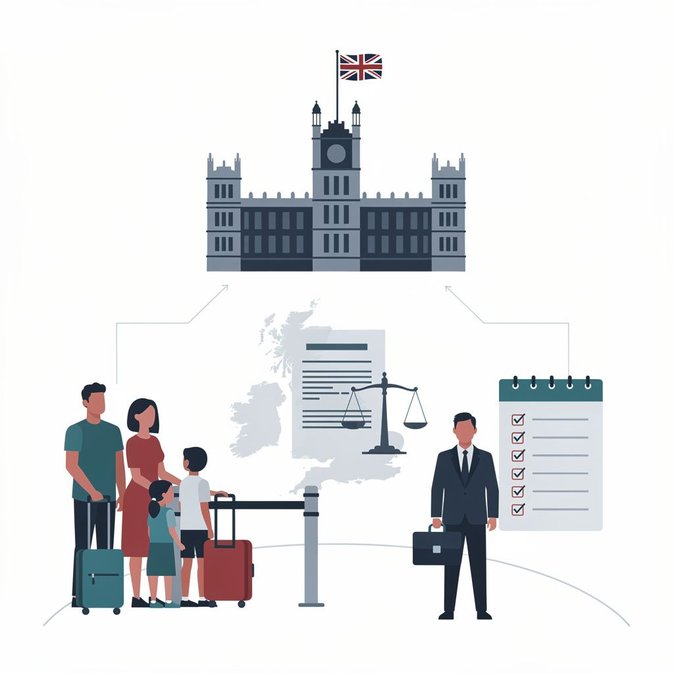
UK unveils major Article 8 overhaul in new Immigration and Asylum Bill
The Immigration and Asylum Bill introduced on 8 October 2026 would tighten the UK’s interpretation of Article 8 ECHR by limiting family-life claims, strengthening the public-interest test and requiring most out-of-country claims to be sponsored from within the UK. The government says the reforms are needed to restore confidence in immigration control and reduce misuse of human-rights routes. Employers should expect stricter compliance expectations and plan future assignments accordingly.

Sponsor guidance updated: Skilled Worker visa holders who are modern-slavery victims freed from tied-sponsor rule
New sponsor-licence guidance allows Skilled Worker migrants identified as modern-slavery victims to switch employers immediately, removing a key barrier to escaping exploitation. Sponsors must familiarise themselves with the evidential requirements and adapt compliance processes accordingly.

Statement of Changes HC 584 brings wide-ranging Immigration Rule amendments into force
Statement of Changes HC 584, effective 8 October 2026, updates multiple sections of the Immigration Rules, including visitor visa requirements, skilled-worker provisions and new routes for specific veteran groups. Companies must ensure all applications and policy documents now reference the amended rules.

Article 8 Rights to be Re-Balanced Under New UK Bill
A Home Office factsheet published today details how Article 8 family-life rights will be tightened: only immediate family will normally qualify, sponsors must file applications from the UK, and decision-makers must prioritise the public interest in immigration control. Businesses relying on extended-family support for mobile staff should prepare for narrower discretionary leave options.

Passport-free facial-recognition eGates start UK rollout at East Midlands Airport
New ‘contactless’ eGates allowing passport-free entry began operations at East Midlands on 6 October and were formally announced on 8 October. The technology, set to reach all UK eGate airports by 2027, promises quicker arrivals for British passengers but raises fresh privacy debates.

Visitor-visa handbook overhauled: Erasmus+ activities and expanded business training now permitted
Version 18 of UKVI’s Visit Caseworker Guidance, published 8 October, formally allows Erasmus+ exchanges and widens the definition of permitted business-training activities. The overhaul tightens documentation checks and adds new examples, meaning companies must update invitation letters and compliance files for staff and clients entering under the visitor route.

Expanded Right-to-Work regime: what UK employers need to know post-1 October
One week after coming into force, the UK’s widened Right-to-Work rules expose any entity in a labour supply chain to civil penalties unless contracts signed from 1 October include mandated immigration-check clauses. Legal experts advise immediate audits of supplier agreements, digital-ID providers and substitution provisions to protect sponsor licences and avoid fines.

Independent Immigration Appeals Authority: Blueprint Released
A Home Office factsheet confirms that a new Independent Immigration Appeals Authority will replace the First-tier Tribunal for future cases, using a single-appeal route and digital hearings to cut a 156,000-case backlog. Faster but more compressed timelines will affect employers contesting sponsorship refusals.
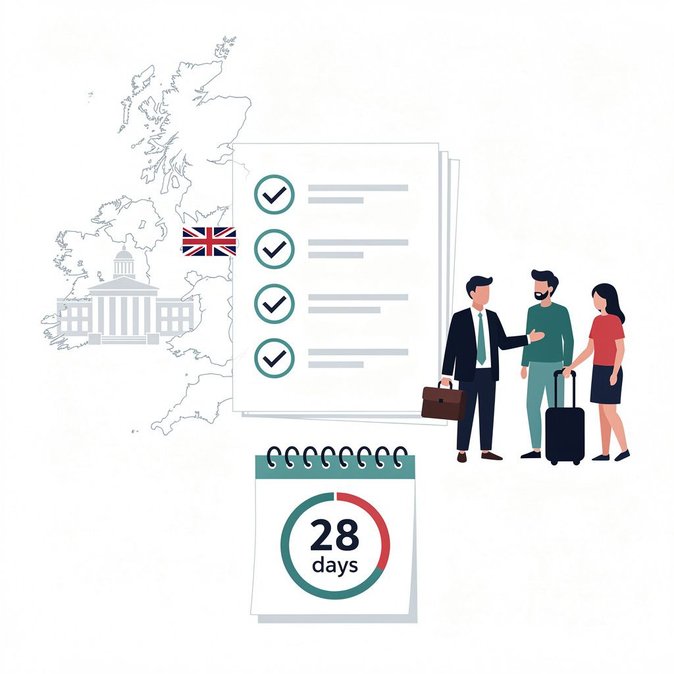
Comprehensive Immigration Rules Update Takes Effect Today
The consolidated Immigration Rules published on 8 October 2026 implement Statement of Changes HC 584, altering Government Authorised Exchange, Hong Kong BN(O), Long Residence and Visitor provisions. Employers and mobility providers must align documentation immediately, as a 28-day grace period begins today.

Sponsor Guidance Overhauled: Employers Barred from Passing Visa Costs to Workers
Updated sponsor guidance published on 8 October 2026 makes it a revocable offence for employers to charge sponsored workers any part of visa fees, extends right-to-work obligations to gig-economy arrangements and introduces protections for modern-slavery victims. Immediate contract reviews are advised.

Independent investigation finds Home Office AI tool misfires on thousands of asylum claims
The Independent reports that a Home Office AI system used to summarise asylum-seeker interviews has shown a high error rate in internal tests, sparking calls for an immediate audit. As the same technology is earmarked for wider immigration compliance functions, any pause or redesign could slow visa processing and increase costs for UK sponsors.

Home Office republishes 8 October fee table—confirms no rise but unveils four new employer services
The updated immigration-fee table taking effect on 8 October does not increase any headline visa costs but introduces four optional, chargeable services for employers, signalling a shift toward user-pays enhancements even as base fees stand still.

Visit-visa case-worker guidance updated: new examples for business and Erasmus+ visitors
Fresh Visit Caseworker Guidance released on 8 October clarifies what business, Erasmus+ and creative visitors may do in the UK, adding real-life examples for PA7 activities. Firms can use the wording to reduce refusal risk, but should note that complex cases will still be escalated internally.

Passport-Free eGates Debut as UK Starts Contactless Border Roll-Out
Euronews reports that contactless, passport-free eGates were switched on at East Midlands Airport on 8 October 2026, starting a Border Force upgrade that will reach all major UK airports by 2027. The technology promises 25 % faster processing for UK and, later, ETA-eligible business travellers.

Visitor Guidance Updated: Erasmus+ Activities and New Business Clarifications
Version 18.0 of the Visitor Caseworker Guidance, published 8 October 2026, green-lights Erasmus+ mobility, expands examples of permitted business and creative activities, and introduces a limited caregiver concession—all relevant to short-term assignees and event staff.

Sponsor Guidance revised: modern-slavery protection and right-to-work changes for employers
New sponsor guidance dated 8 October tightens employer duties, introduces safeguards for modern-slavery victims on the Skilled Worker route and removes the resident-labour test for Religious Workers from late October. Sponsors must align HR systems with the revised right-to-work checks and prepare for user-role changes in 2027.