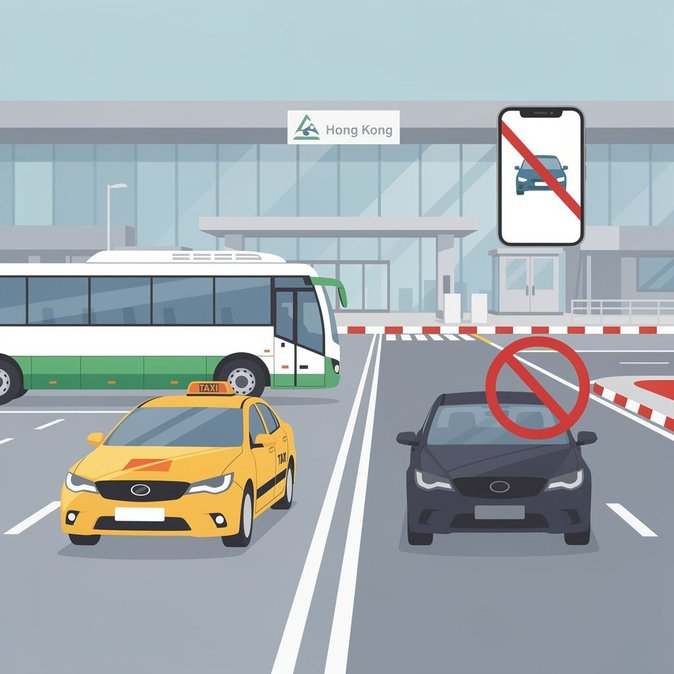
On the eve of the Huanggang Port relaunch, Hong Kong’s Transport Department has issued detailed guidance restricting cross-border travellers to designated transport services within the port’s security perimeter. Passengers must pre-book one of five licensed taxi fleets or board franchised buses at the 24-hour interchange; ride-hailing apps and unregistered vehicles will be turned away. The department says the rules are necessary to prevent traffic bottlenecks and ensure traceability of drivers. The move has drawn mixed reactions. Taxi associations welcomed a clearer regulatory framework, noting that fragmented standards had previously deterred drivers from taking cross-border hires. However, mobility-tech firms argue the ban curtails consumer choice and stifles innovation just as Hong Kong positions itself as a smart-city hub in the Greater Bay Area. Corporate-travel managers should update employee travel advisories: travellers without a pre-booked vehicle must use interchange buses to connect to Shenzhen’s metro at Futian Checkpoint station. Employers are also advised to factor in an additional 10-15 minutes for security screening at the new “joint clearance” e-gate network, which requires biometric registration on both sides of the boundary. Authorities say they will review the transport-mix after the first three months of operation. Any liberalisation is likely to hinge on real-time data from the port’s AI-enabled traffic-management system, which monitors vehicle dwell time and passenger throughput.
Source: South China Morning Post