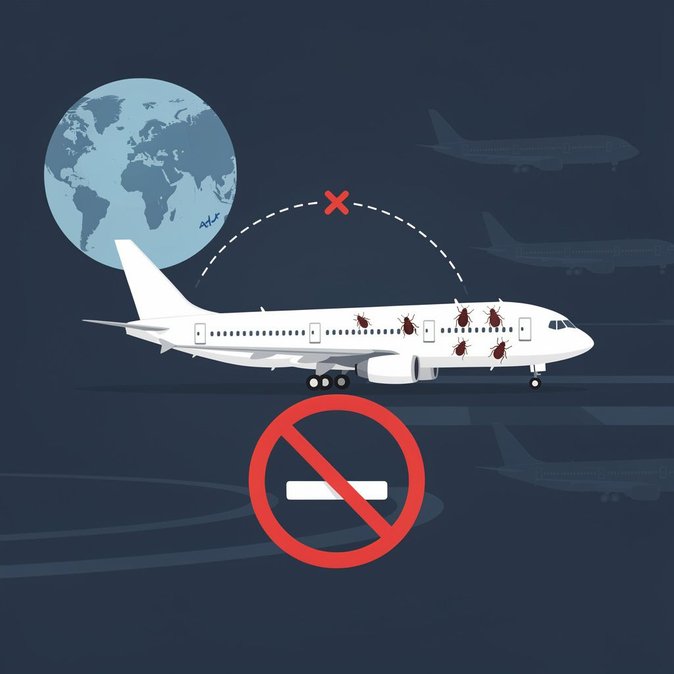
Qantas was forced to ground one of its Boeing 787-9 Dreamliners in Rome and cancel flagship flight QF6 to Perth after passengers on the inbound sector reported insect bites, the airline confirmed on 14 October 2026. Although the incident occurred four days earlier, Qantas’ engineering team only cleared the aircraft to re-enter service this morning after a full deep-clean and cabin inspection. The airline described the problem as “a localised issue affecting several economy-class seats” but nonetheless opted to pull the 16-hour Rome–Perth leg rather than risk contamination on one of the world’s longest non-stop routes. Because QF6 normally through-services to Sydney, more than 260 passengers required re-accommodation onto alternative carriers or later Qantas departures, and the Dreamliner’s removal created knock-on effects across the ultra-long-haul roster. For corporate mobility managers the cancellation underlines the fragility of point-to-point networks that rely on small sub-fleets. Companies with time-critical travellers to or from Europe should build buffer days into itineraries or keep round-the-world options open. Travel management companies also recommend reminding staff to photograph seats at boarding and report suspected insect bites immediately so airlines can activate mitigation protocols sooner. From a health perspective the risk to passengers is considered low; bedbugs do not transmit disease and the Australian Department of Health notes that symptoms are generally limited to irritation. The bigger cost is operational: hotels, meal vouchers and reaccommodation on other airlines can add six-figure sums to a single incident, and Qantas will now face scrutiny from regulators about cleaning standards before Project Sunrise launches in 2027. Qantas says the deep-clean exceeded international guidelines and no evidence suggests a systemic infestation. Still, the episode has already prompted the carrier to review turnaround inspections at outstations such as Rome Fiumicino, where engineering support is limited compared with its Australian hubs.
Source: FlyMag