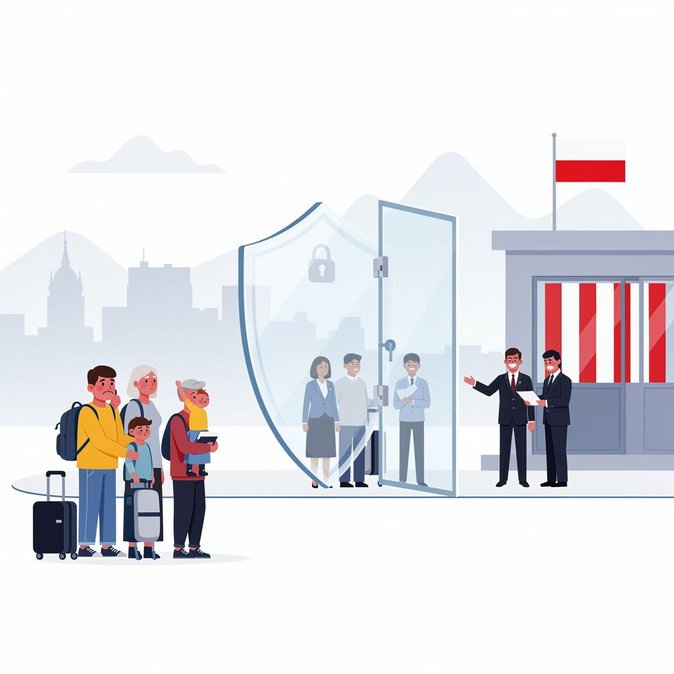
Austria has moved to restrict its generous temporary-protection scheme for people fleeing Russia’s invasion of Ukraine. In a vote late on 15 October, all parties in the National Council except the Greens backed an amendment that excludes Ukrainian men who were barred from leaving their country for military-service reasons and subsequently arrived in Austria after 1 July 2026. The Interior Ministry argued the change merely aligns national rules with the EU’s Temporary-Protection Directive, which the bloc extended until 4 March 2028. Practically, the new wording means Ukrainian citizens who have not fulfilled military obligations—mainly men aged 18-60—will have their initial registration refused and existing status not renewed if they arrived after the cut-off date. NGOs warn that the rule could split families and create a class of de-facto irregular migrants with no access to work, health insurance or social assistance. The Federal Association of Austrian Industries said companies already employing Ukrainian specialists on the basis of temporary protection will now need to transition those staff to Red-White-Red Cards or EU Blue Cards or face losing key talent. The government has promised “individual hardship reviews”, but lawyers note that switching to another residence title requires proof of labour-market tests or quotas that many refugees cannot meet. Multinationals headquartered in Vienna or Graz that have hired Ukrainian IT staff are therefore advising affected employees to file Blue-Card applications immediately and to keep detailed records of professional qualifications. For global-mobility managers the message is clear: the once-reliable Ukrainian temporary-protection route can no longer be assumed. Any new transferees from Ukraine should be planned under Austria’s regular work-permit system, with timelines of eight to twelve weeks and German-language documentation requirements. Employers should also review travel-insurance policies, as loss of protected status can invalidate statutory health coverage.
Source: The Local Austria