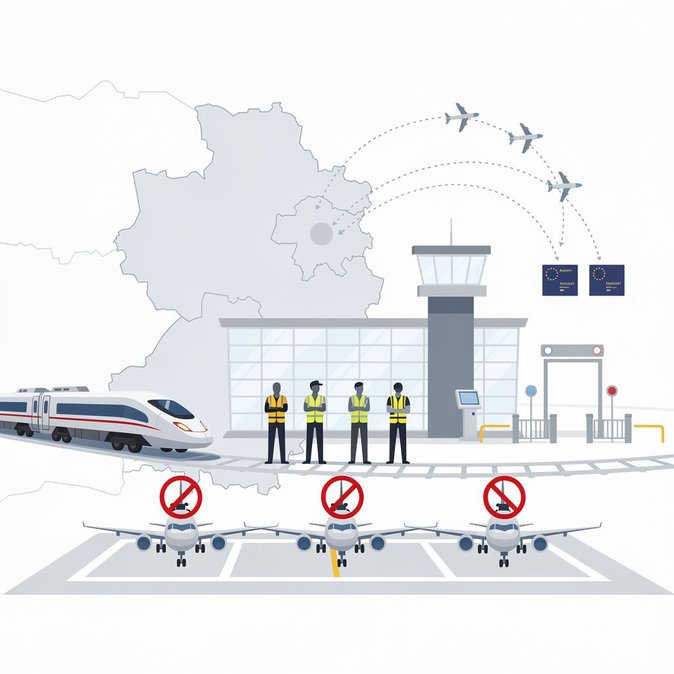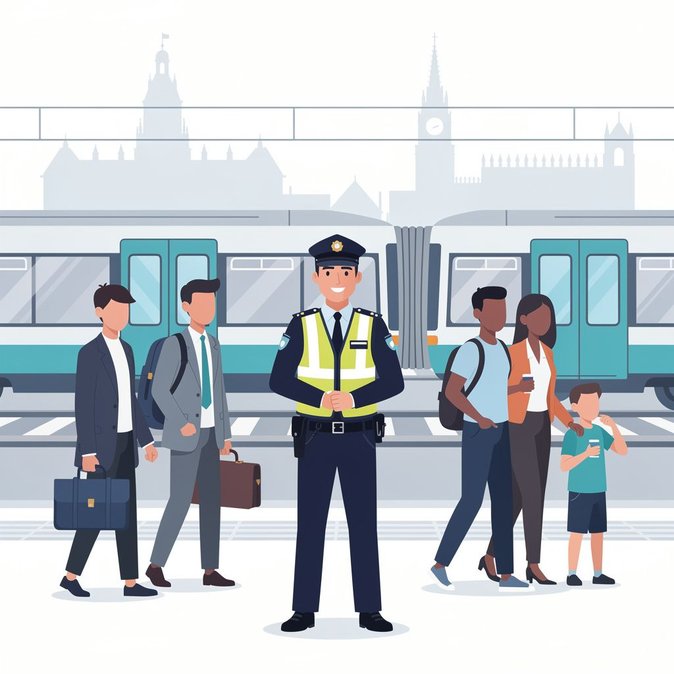
The TECOV public-transport security unit of the Brussels-West police zone has made 110 arrests since January, according to figures released on 19 October 2026. Operating across five municipalities and covering seven metro stations, four rail stations and the entire surface tram-and-bus grid, the seven-officer plain-clothes team focuses on catching offenders in the act. Most of the arrests related to drug dealing and outstanding warrants; seizures included 37.8 kg of cannabis, 3.8 kg of cocaine, 15 kg of heroin, €93,000 in cash and nine weapons. Chief Inspector Nicolas Cosse said the unit’s approach – foot patrols, covert surveillance and rapid coordination with uniformed response teams – has proved effective in deterring pickpocketing and assault on the capital’s busy transit corridors. The operation supports a wider federal push to make Belgium’s public-transport system safer for daily commuters, tourists and the growing expatriate workforce. For global-mobility managers, the statistics are relevant because reliable and safe public transport underpins the attractiveness of Brussels as a posting destination. Corporate security advisers note that while overall violent-crime rates on the metro remain low by European standards, opportunistic theft and drug trafficking create reputational concerns and can affect employee perception. The police results suggest that targeted, intelligence-led deployments can meaningfully reduce incidents without large-scale military patrols – an approach favoured by city authorities over recent calls for a joint police-army reserve. Employers relocating staff to Brussels are encouraged to include transport-safety briefings in on-arrival orientation programmes, emphasise situational awareness during late-night metro use and promote cashless ticketing to minimise pickpocket risk. Meanwhile, the police zone plans to expand the TECOV model to other hotspot lines and will add two additional officers in early 2027, funded by a federal security grant aimed at safeguarding critical mobility infrastructure ahead of the full rollout of the EU Entry/Exit System at rail borders. Local business associations have welcomed the results, arguing that safer stations will boost evening economy footfall and support cross-border commuters who rely on the Brussels-Midi hub for Eurostar and Thalys connections. Continued cooperation between municipal police, the federal railway police and STIB/MIVB security teams is seen as essential to maintaining Belgium’s position as a convenient platform for international business travel within Europe.
Source: The Brussels Times