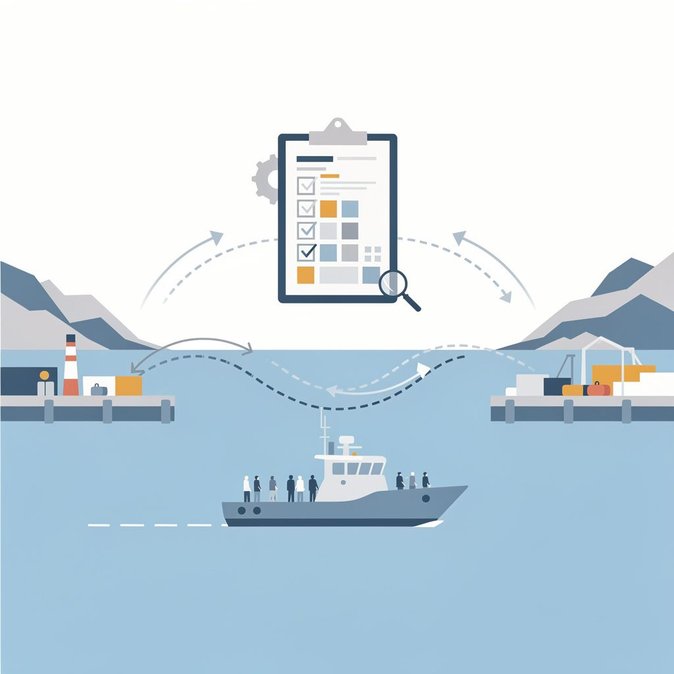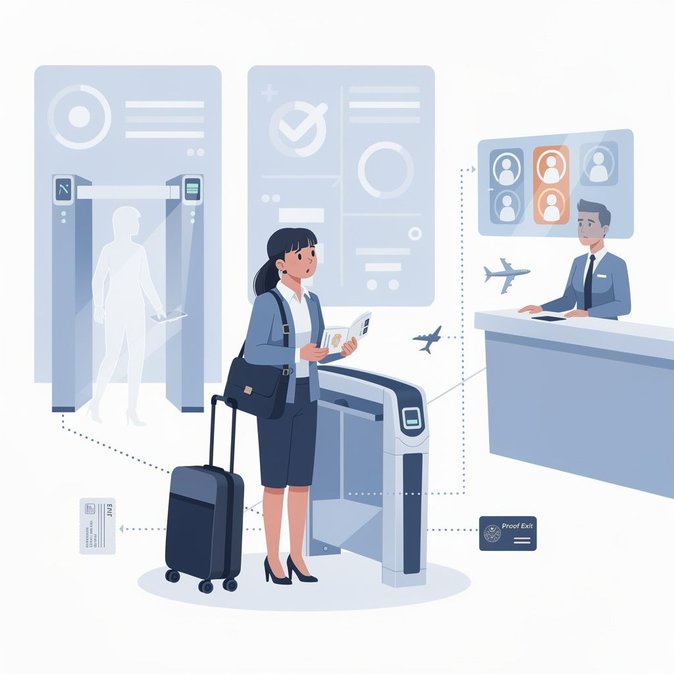
Best-selling author Jojo Moyes was warned at Marseille airport that she faced a €10,000 fine and a two-year entry ban for allegedly exceeding her 90-day visa-free allowance—despite spending just 23 days in the Schengen Area over the previous six months. French border police discovered that her May departure from Portugal had not been uploaded to the EU Entry/Exit System (EES), causing the automated counter to ‘run on’. The incident has reignited debate over the reliability of the biometric database, fully operational since 10 April 2026 and now mandatory at all French external borders. Consumer group Which? said the case shows “lack of care and accountability” for travellers incorrectly flagged. Similar errors have led to deportations from Italy and anxiety among ferry passengers leaving Saint-Malo without biometric capture. Under EES, every entry and exit by non-EU nationals is logged together with fingerprints and a facial image, replacing passport stamps. France and seven other states temporarily suspended biometric capture this summer when queues became unmanageable, and some have lobbied Brussels for longer ‘tolerance periods’ until staffing and hardware catch up with demand. For businesses relocating staff or sending frequent travellers to France, the message is clear: keep your own evidence of exits—boarding passes, Eurotunnel tickets, hotel invoices—so that any mismatch can be rectified quickly. Mobility teams should brief employees on how to obtain a copy of their EES record and provide contacts at the French Interior Ministry and CNIL should a correction request be needed. Travel managers may also wish to schedule extra time at Marseille, Nice and other busy airports while the system beds in.
Source: The Connexion