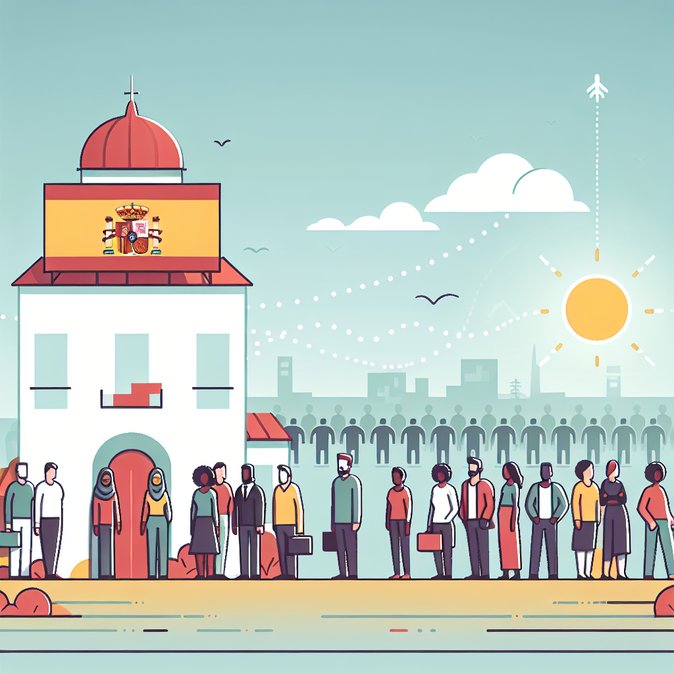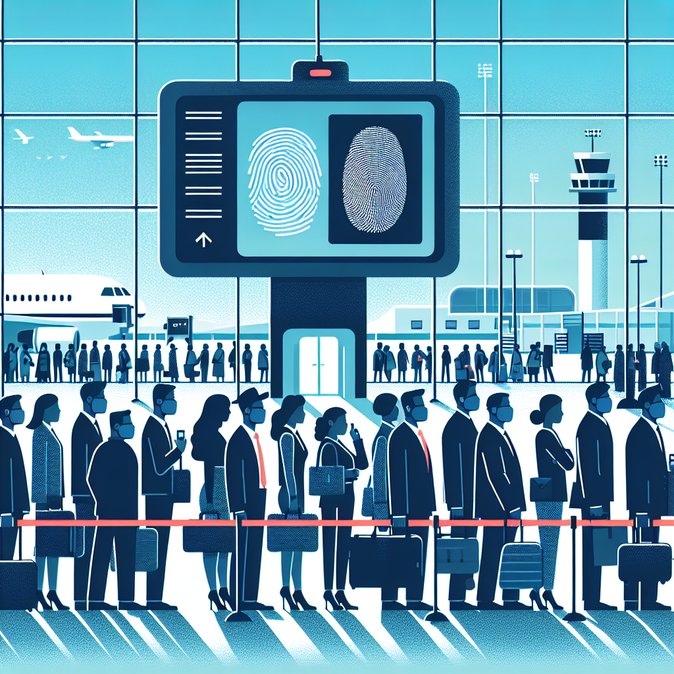
Just three days after the EU’s biometric Entry/Exit System (EES) went fully live, Spain’s biggest gateways—Madrid-Barajas and Barcelona-El Prat—are grappling with immigration queues of up to two hours for non-EU arrivals. Travel and Tour World reports widespread passenger frustration as first-time registration under the digital regime takes up to four minutes per traveller. EES replaces manual passport stamping with facial-image and fingerprint capture plus automatic calculation of stay limits. While repeat visitors should enjoy faster e-gates after enrolment, the initial bottleneck coincides with a rebound in long-haul leisure demand and late-Easter traffic. Airlines have started sending pre-departure advisories urging travellers to allow “at least four hours” between landing and onward rail or domestic-air connections. AENA, Spain’s airport operator, says it has hired 150 additional ground-staff and is piloting mobile enrolment kiosks to relieve fixed counters. The Interior Ministry is also negotiating overtime shifts with Policia Nacional officers and may open dedicated family lanes similar to those rolled out during the 2024 Brexit transition. Business-travel impact: executives holding tight connection schedules should consider routing through secondary hubs such as Valencia or Málaga until learn-curve delays subside. Mobility managers may also need to revise duty-of-care protocols to reflect longer post-flight waiting times and potential missed meetings.
Source: Travel and Tour World