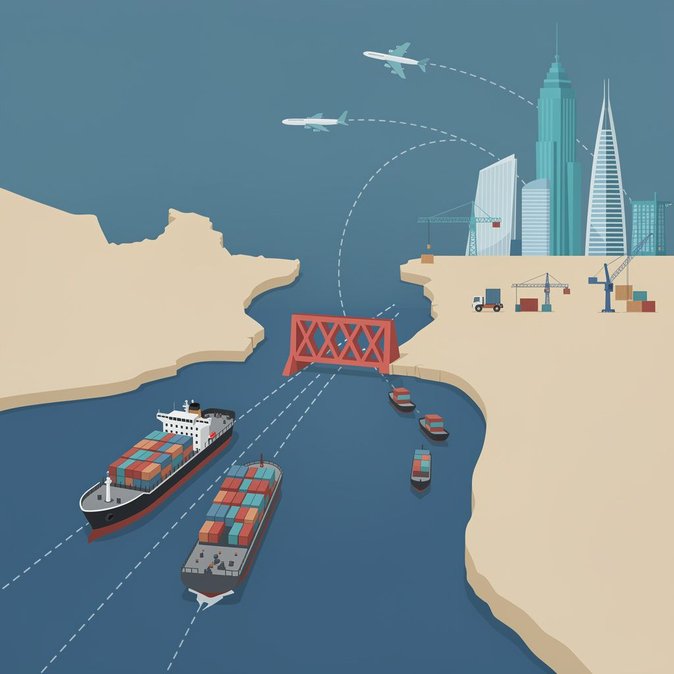
Iran’s newly formed Persian Gulf Strait Authority announced on 11 June that the Strait of Hormuz—through which roughly a fifth of global oil supply and virtually all commercial shipping to the UAE’s Jebel Ali and Khalifa ports passes—has been closed “until further notice” following overnight orders from the Islamic Revolutionary Guard Corps. Although no UAE-flagged vessels have yet been detained, port agents in Dubai and Fujairah have advised masters to remain outside the traffic separation scheme and await rerouting instructions. Emirates and Etihad said their flight paths remain unchanged for now, but contingency fuel loads have been increased. For multinationals with regional mobility programmes, the immediate concern is supply-chain-driven delays to household-goods shipments and critical-spare deliveries. Relocation specialists are advising clients to prioritise air freight for high-value consignments and to expect insurance surcharges on marine cargo routed via the Cape of Good Hope. Business-traveller flows could also feel the impact. Any prolonged closure would force GCC airlines to extend flight times on Asia-Europe routes that skirt Iranian airspace, increasing costs and upsetting tightly sequenced rotation schedules for project staff. If the shutdown lasts more than a few days, experts expect the UAE to activate fast-track customs channels at Port Khalifa and expand capacity on the Etihad Rail freight corridor linking Abu Dhabi to Saudi Arabia. Mobility managers should monitor advisories daily and prepare alternative routing for inbound assignees and time-sensitive cargo.
Source: L’Orient Today (AFP)