Common European Asylum System comes into force; Germany keeps internal border checks
EU-wide Asylum Pact Takes Effect, Forcing Germany to Overhaul Border Procedures
Berlin Brandenburg Airport Opens 40-Bed Border-Asylum Facility
Latest News
GDL calls 48-hour strike at Saarbahn from 13 June
GDL has announced a 48-hour stoppage on the Saarbahn tram-train network starting early 13 June, threatening weekend travel and Monday-morning commutes in the Saar-Lor-Lux cross-border region.

Germany begins enforcing EU Migration & Asylum Pact as GEAS enters into force
Germany activated the EU’s new Migration & Asylum Pact at midnight on 12 June, embedding fast-track border screening, biometric collection and 12-week accelerated procedures in national law. The measures aim to speed up rejections and returns but raise human-rights and operational concerns – especially around fingerprinting children and the impact on legitimate business travellers from ‘medium-risk’ countries.
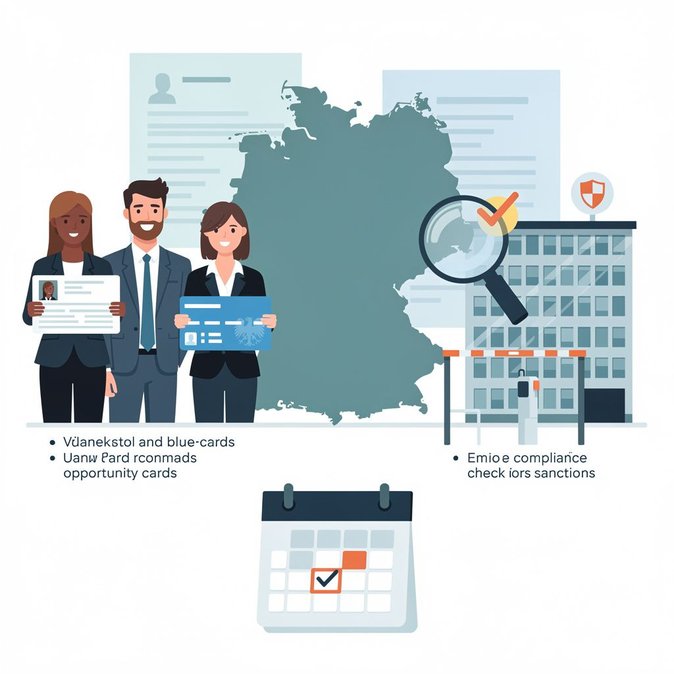
Germany overhauls Residence Act as GEAS adaptation law takes effect
Germany has published a GEAS-alignment law that rewrites large parts of the Residence Act. Key points include lower, formula-based Blue-Card salary thresholds, an expanded opportunity-card, new border-check powers and tougher employer sanctions. Global-mobility teams must update salary benchmarks and filing processes before transitional arrangements expire on 30 September.
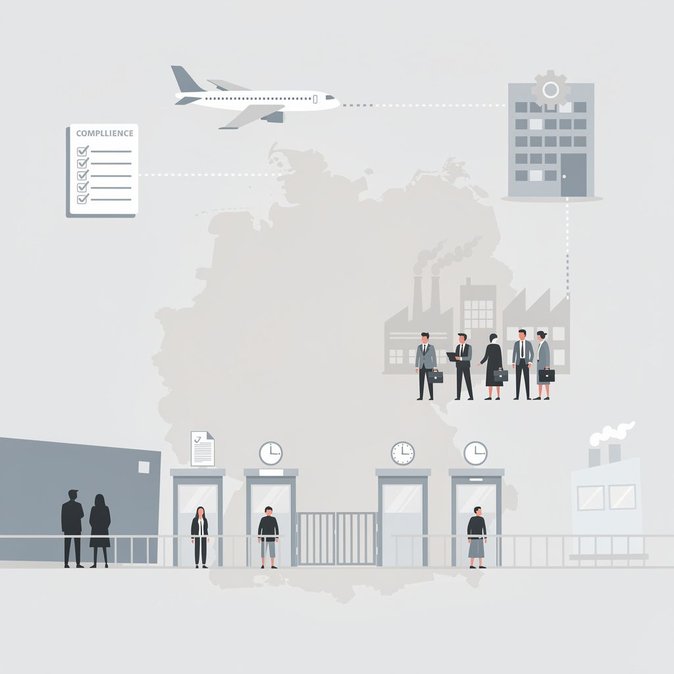
German Asylum Act tightened: new border procedures and access restrictions
Germany’s Asylum Act now embeds EU border-procedure rules: seven-day screening, 12-week fast-track decisions and powers to restrict NGO access to closed zones. Labour-market access for successful applicants is accelerated, but the overall intake is expected to fall. Airlines and employers need to update compliance processes.
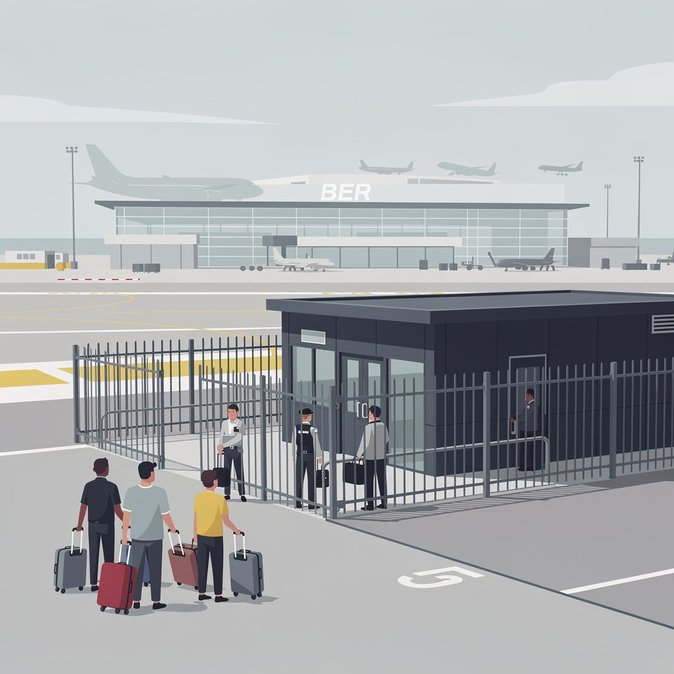
Berlin Brandenburg opens Germany’s first fast-track asylum centre
Berlin’s BER airport has opened a 120-bed fast-track asylum facility to comply with new EU border-procedure rules. The centre will process low-likelihood claims within 12 weeks entirely on airport premises, allowing rapid removals. While the government hails it as a model of efficiency, NGOs criticise the risk of quasi-detention and restricted legal access.

Asylum seekers in Germany can work after three months under new Asylum Act rules
From 12 June 2026, asylum seekers in Germany become eligible for employment after just three months instead of nine, provided the Federal Employment Agency signs off. The shorter wait addresses acute staffing gaps and aligns with EU legislation, but employers must adapt compliance procedures and support integration measures.
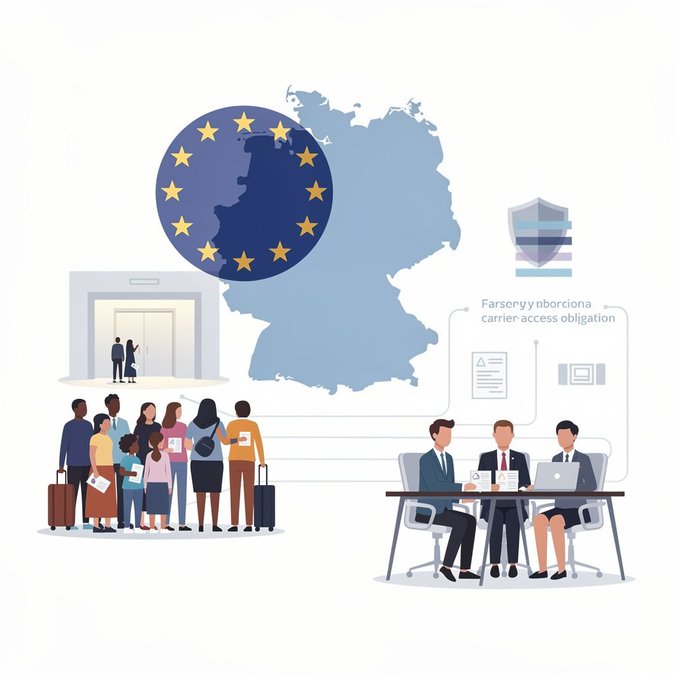
EU Pact on Migration and Asylum enters into force – what it means for Germany’s mobility programmes
The EU’s Pact on Migration and Asylum is now in force. Germany must stand up new reception centres, apply quicker work-access rules and prepare for stricter carrier-data obligations. Employers should revisit onboarding and data-privacy protocols.
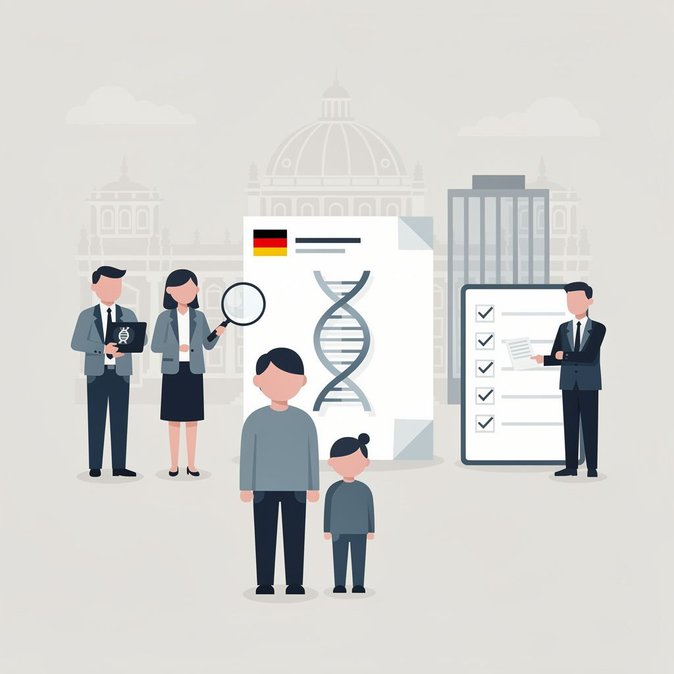
Bundestag Clamps Down on Paternity Visa Fraud with New Law
On 12 June 2026 the Bundestag passed legislation to combat fraudulent paternity acknowledgements used to secure residence permits. Immigration officials can now demand DNA evidence and impose stiff penalties for sham parenthood, closing a loophole that generated thousands of suspected cases each year. The change strengthens compliance obligations for German employers hiring non-EU parents.

Eurodac crash on launch day disrupts German asylum IT systems
Eurodac, the EU’s upgraded asylum fingerprint database, went offline for several hours on 12 June, disrupting Germany’s new border-screening workflow. Around 1,800 registrations are being reconciled manually, and lawyers warn repeated outages could force Germany to keep its temporary Schengen border controls in place.
Bundestag cracks down on sham paternity acknowledgements used for residence status
Parliament has passed legislation requiring DNA tests in suspicious paternity cases, closing a loophole used to obtain residence permits. Family-reunification applications will see tighter checks and longer timelines.
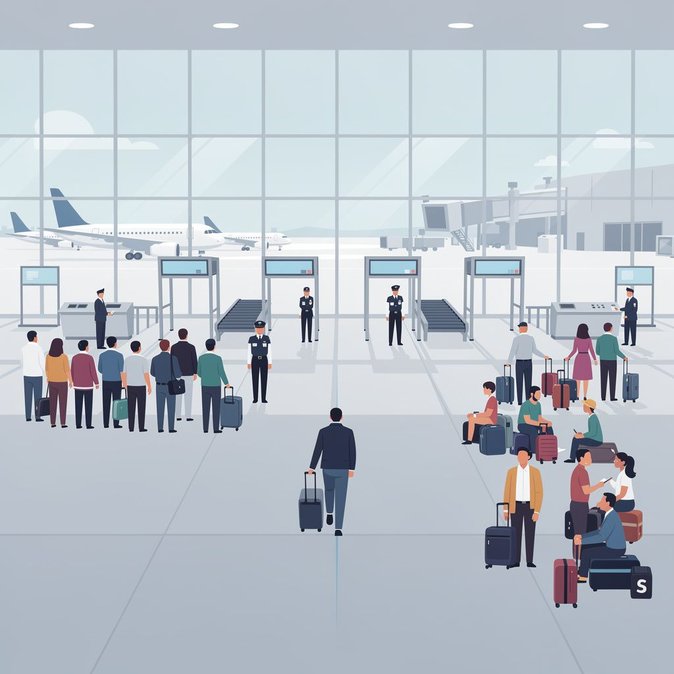
Security breach forces full evacuation of Hamburg Airport
A passenger bypassed security at Hamburg Airport on 12 June, triggering a terminal evacuation and the rescreening of thousands of travellers. More than 120 flights were disrupted, compounding staffing pressures created by new EU asylum screening duties that also started today.
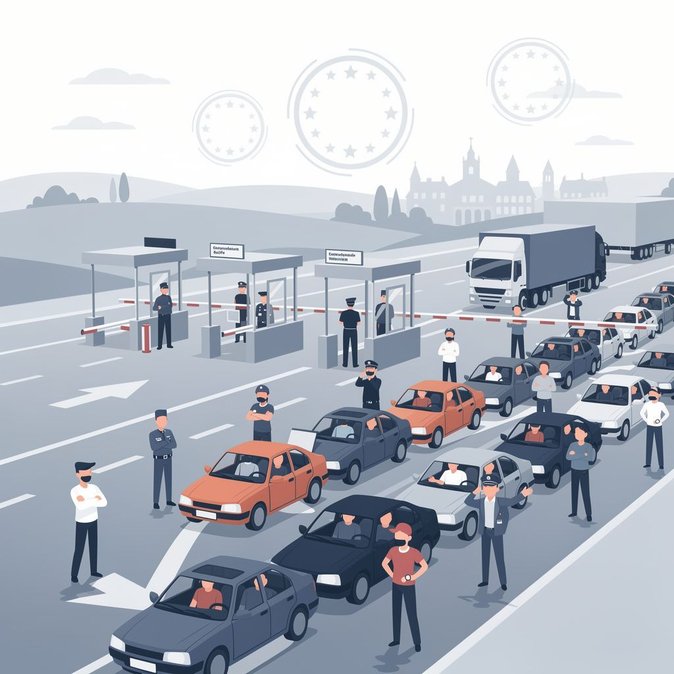
Rhineland-Palatinate Voices Frustration as Border Checks Persist Despite GEAS
SWR Aktuell reports growing anger in Rhineland-Palatinate over the continuation of German border controls even after the EU’s asylum pact took effect on 12 June 2026. Long queues hurt commuters and cross-border trade, prompting calls for Berlin to spell out when the checks will end.
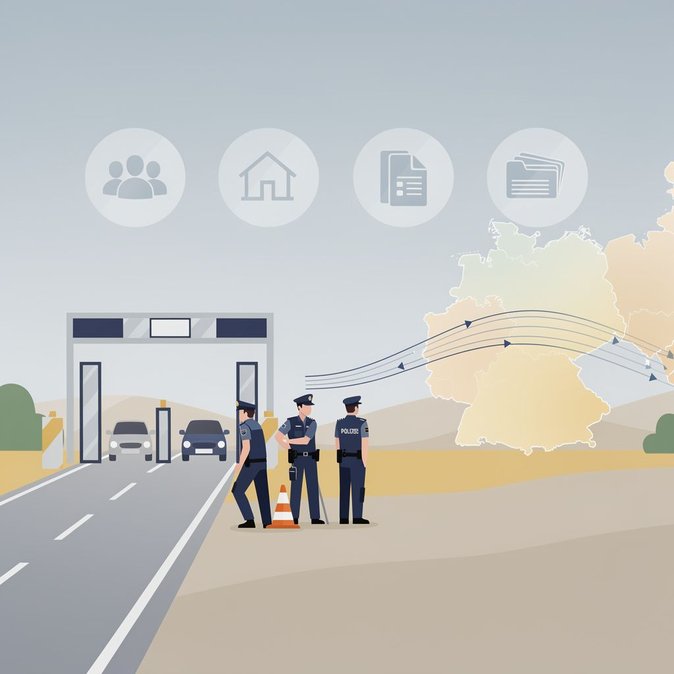
Interior Minister Dobrindt says Federal Police ‘stretched to limit’ by prolonged border checks
Alexander Dobrindt conceded that prolonged Schengen border controls are over-taxing the Federal Police and signalled that Germany aims to end fixed checks by the end of the year, depending on new return-centre deals with neighbours and the smooth roll-out of GEAS.
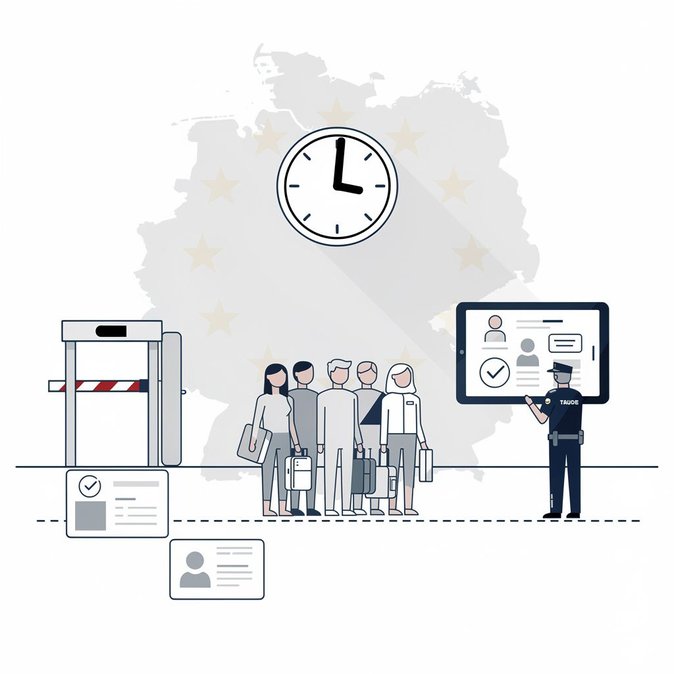
Germany’s Residence Act overhauled to align with EU border-screening rules
Germany’s Residence Act was amended on 12 June to introduce new border- and in-country screening detention powers and to harmonise definitions with EU Regulation 2024/1356. The changes tighten control of irregular arrivals and could see travellers without full documentation held in ‘review detention’ during the first 48 hours.
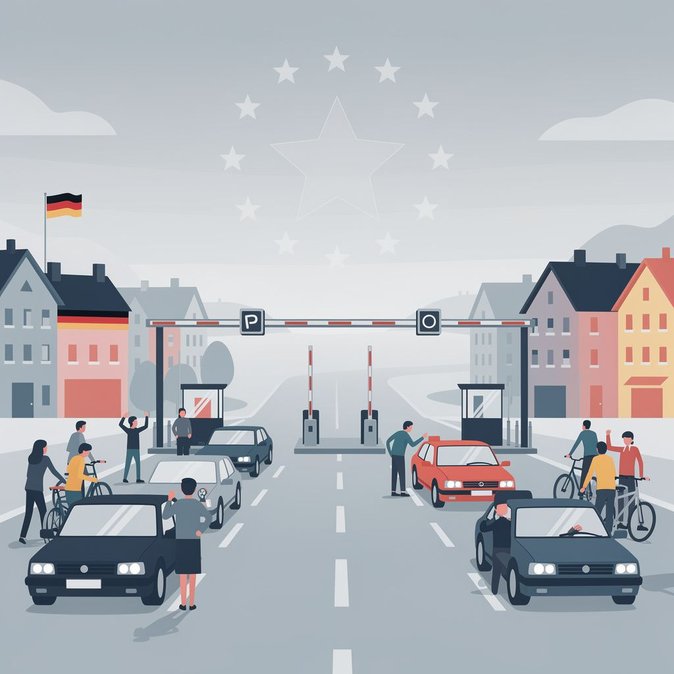
Rhineland-Palatinate voices frustration as border queues persist despite new EU asylum law
Despite the EU asylum pact’s entry into force, Germany has kept fixed border controls with France, Luxembourg and Belgium, angering commuters and businesses in Rhineland-Palatinate. The Interior Ministry says the measure is temporary, but critics call for immediate de-escalation to restore Schengen freedoms.
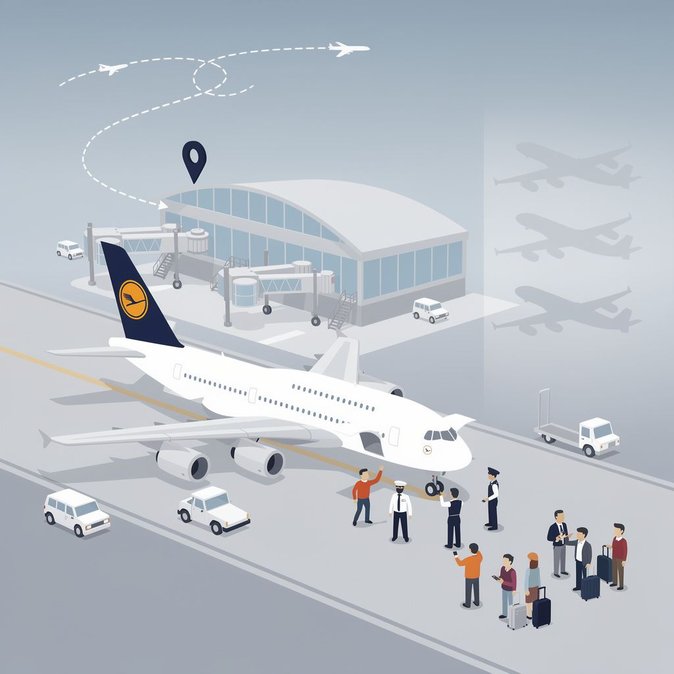
Unruly passenger forces Lufthansa A380 diversion, disrupting Munich hub rotations
A violent passenger triggered the diversion of Lufthansa’s San Francisco–Munich A380, delaying the flight and disrupting subsequent rotations. No EU261 cash is due, but travel managers should expect equipment swaps and provide care support for affected travellers.