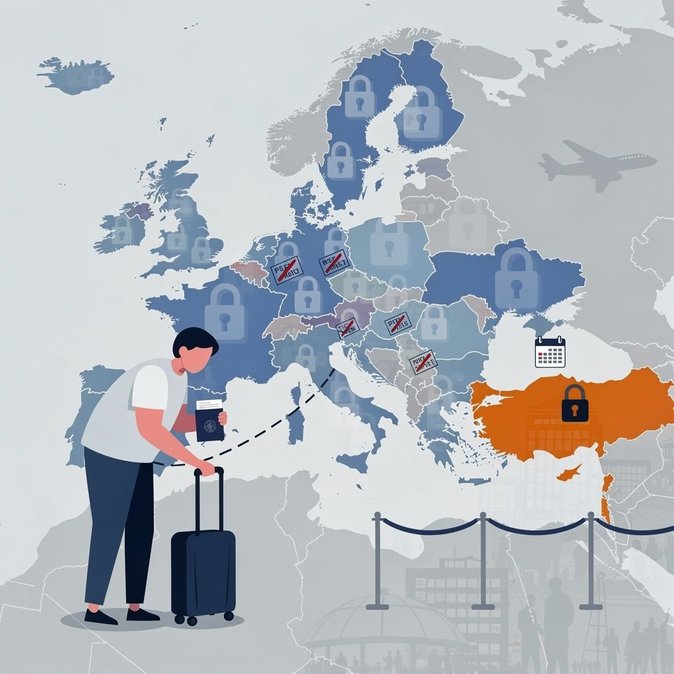
BRUSSELS/TURIN—The European Union’s long-negotiated Migration and Asylum Pact became law on 12 June, triggering a one-year implementation clock. La Stampa’s Brussels desk reports that the European Commission ranks Italy among 11 member states requiring “urgent capacity upgrades” in border-screening infrastructure and Dublin-transfer units. Key changes include compulsory biometric screening at first entry, fast-track asylum decisions within 12 weeks, and a solidarity mechanism obliging other states to accept relocations or pay €20,000 per refused transferee. For 2026 the Commission earmarked Italy, Spain, Greece and Cyprus to receive up to 21,000 redistributions, worth €420 million in support funds—but only if they can process cases swiftly. From a mobility perspective, the Pact creates new operational checkpoints at ports and airports. Business visitors from low-asylum-risk countries should experience little friction, yet companies relocating staff from ‘safe-country’ jurisdictions (e.g., India, Tunisia, Morocco) may see heightened secondary checks. Corporate lawyers expect more residence-permit rejections where family members apply late, owing to stricter “inadmissibility” triggers. The Interior Ministry says work is under way to expand Eurodac biometric stations at Lampedusa, Bari and Trieste, but unions warn staffing plans lag behind summer arrival peaks. Until systems stabilise, employers should budget extra lead-time for Blue Card and intra-company-transfer (ICT) permits filed at border prefectures. Political reactions diverge: the Meloni government welcomes tougher screening but accuses Brussels of under-funding; NGOs vow legal challenges over human-rights safeguards. Either way, the compliance burden on HR teams handling non-EU moves to Italy is set to rise sharply through 2027.
Source: La Stampa