UAE widens speedy entry scheme to six more nationalities and six new residencies
UAE rolls out visa-on-arrival for Filipino travellers from 25 June
Macau Extends ‘Smart Clearance’ Facial-Recognition Gates to Three Major Ports
Latest News
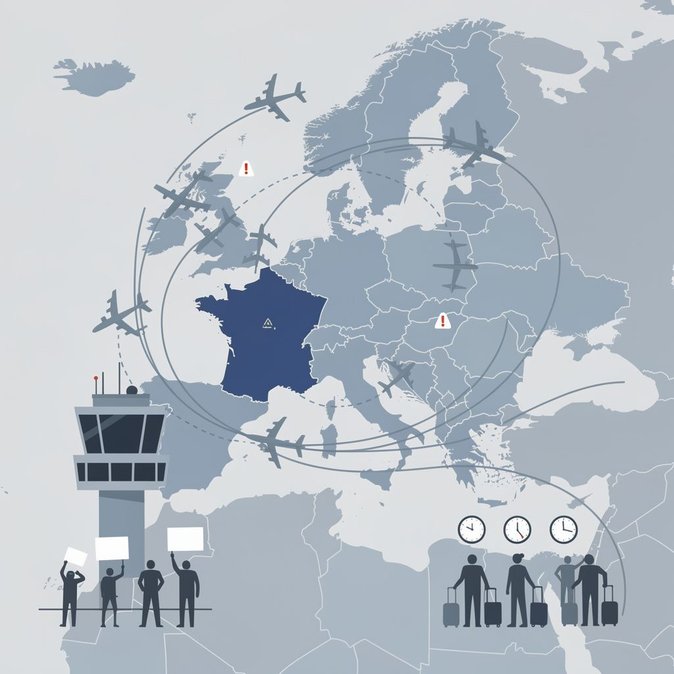
France at the centre of Europe-wide air-traffic-control walk-outs, triggering ‘aviation meltdown’
Co-ordinated air-traffic-control strikes in France and six other EU countries on 25 June caused hundreds of cancellations and hour-long delays across Europe. The walk-outs highlight chronic French controller shortages and force companies to reroute staff and cargo at significant cost. Because ATC strikes are beyond airline control, travellers can claim meals, hotels and re-routing but not cash under EU 261. The disruption renews industry pressure for a Single European Sky to reduce France’s choke-point power.

Hong Kong activates first “seamless e-Channel” at Hong Kong–Zhuhai–Macao Bridge
Hong Kong launched its first walk-through, contactless immigration lane at the HZMB port on 25 June. Pre-registered Hong Kong permanent residents now clear departure formalities in about five seconds using AI facial recognition, with no need to present documents. The pilot aims to ease congestion, boost cross-border business travel and could be expanded to other checkpoints if successful.
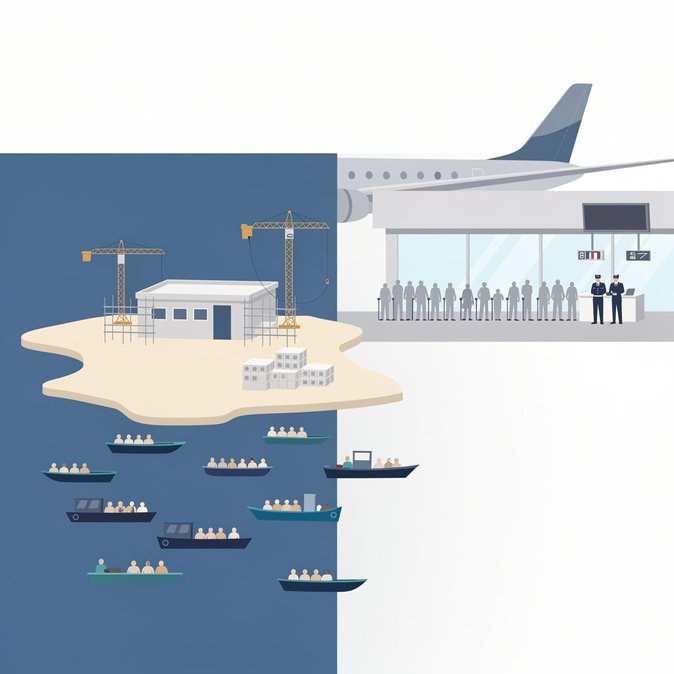
Lampedusa Registers 1,175 Migrant Arrivals in 24 Hours; Hotspot Expansion Works Accelerated
Seventeen boats carrying 1,175 people reached Lampedusa overnight on 24-25 June, straining the reception centre. Construction crews have started round-the-clock works to expand the hotspot to 354 places by mid-July. The spike may ripple onto mainland airports as police are redeployed, so employers should anticipate longer border-control times for assignees arriving in Italy.
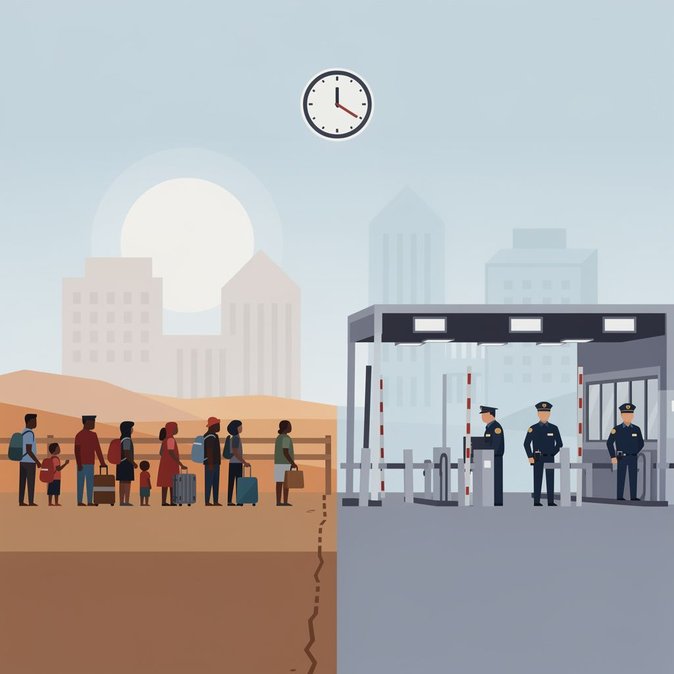
Supreme Court Green-Lights Border “Turnback” Policy, Allowing Agents to Block Asylum Seekers Before They Step on U.S. Soil
By a 6-3 vote, the Supreme Court ruled that federal law lets CBP stop would-be asylum seekers on the Mexican side of a port of entry—reviving the controversial “metering” policy first used in 2016. The decision gives the Trump administration discretion to set daily caps on asylum processing, potentially lengthening border wait times and exposing migrants to danger in Mexico. Businesses that rely on cross-border travel should prepare for operational slowdowns and legal uncertainty.
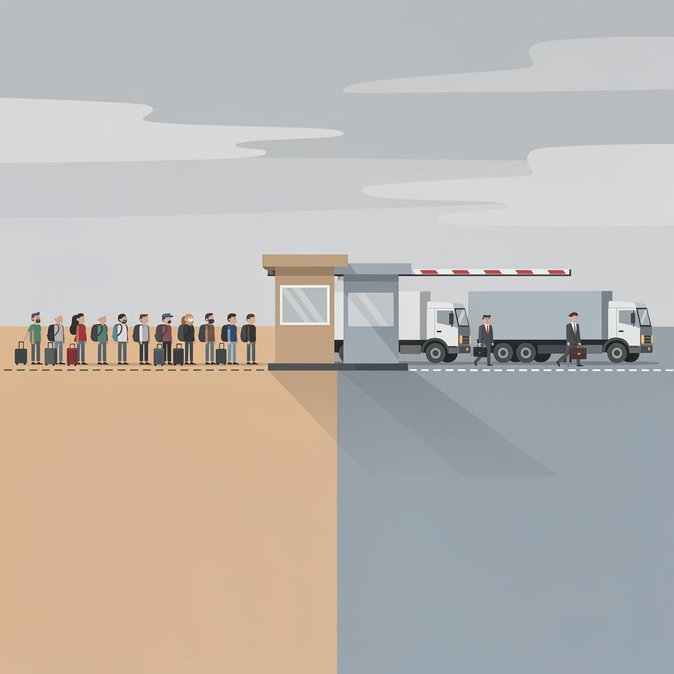
U.S. Supreme Court green-lights revival of border “metering,” allowing agents to turn back asylum seekers
The Supreme Court’s 6–3 ruling allows CBP to resume “metering,” forcing asylum seekers to remain in Mexico until agents are ready to accept their claims. The policy is expected to lengthen border wait times and could disrupt cargo flows and executive travel between the U.S. and Mexico. Companies with cross-border staff should review routing and compliance strategies immediately.
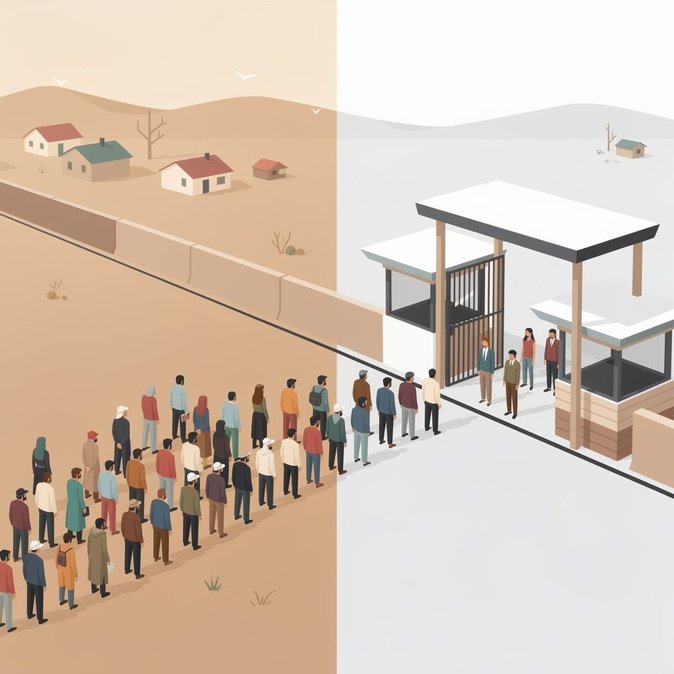
Supreme Court Says Asylum Can’t Be Requested Until Migrants Physically Enter the U.S.
The Supreme Court reinstated the border “metering” policy, holding that asylum seekers must physically cross into U.S. territory before applying. The decision lets CBP again cap daily asylum intakes, likely keeping more migrants waiting in Mexico and reshaping cross-border mobility planning.
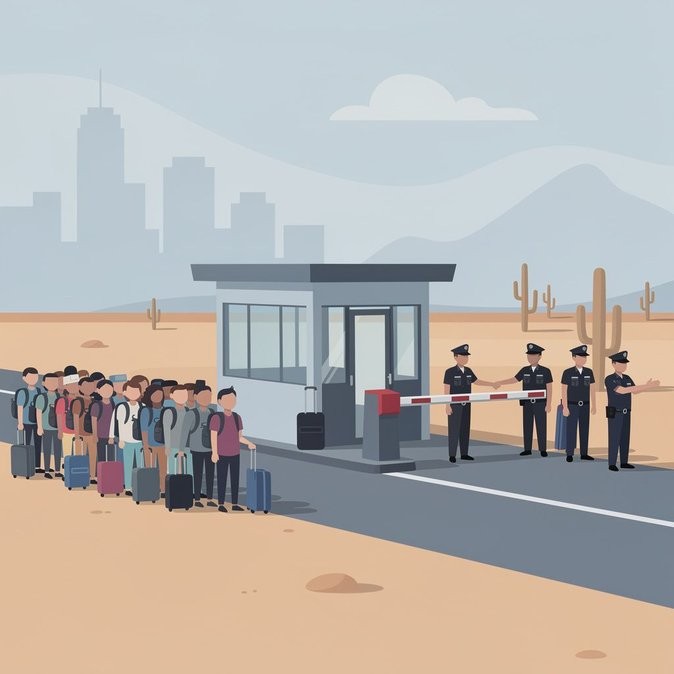
Supreme Court Allows Revival of Border “Metering” Policy Limiting Asylum Intake
In a 6-3 decision, the Supreme Court cleared the way for DHS to reinstate the border “metering” policy that caps how many people may request asylum each day at U.S. land ports. The ruling gives CBP discretion to turn back would-be applicants until space becomes available, significantly restricting access to asylum. Businesses should monitor potential operational disruptions at key border crossings and review any corporate humanitarian programs that assist asylum seekers.

Spanish airlines suspend Madrid-Caracas flights after Venezuelan earthquake forces Maiquetía airport shutdown
Iberia, Air Europa and Plus Ultra cancelled all Madrid–Caracas flights on 25 June after earthquakes shut Maiquetía airport. Spain’s consulate issued an alert to citizens, while airlines offer date changes or refunds but no EU261 compensation. The closure disrupts traveller mobility, freight flows and Venezuelan immigration casework.

Bundestag moves to digitise passenger handling at German airports
The Bundestag’s transport committee has sent the Digital Passenger Handling Act to the plenary, paving the way for a vote on 26 June 2026. The bill will allow fully biometric, paper-free check-in and border control at German airports on a voluntary basis, linking passenger data to federal ID systems while retaining an analogue option. Business travellers stand to benefit from shorter queues and tighter connections, but companies will have to prepare staff for new enrolment and data-consent requirements. The reform is an important building block for Germany’s wider adoption of the EU’s Entry/Exit System and Digital Identity Wallet.

Bundestag schedules final vote on law to digitise Germany’s airport check-in process
Germany’s parliament will vote on 26 June on a bill that would let passengers complete passport and visa checks digitally at German airports. The voluntary system links biometric kiosks and federal databases to cut queues and detect forgeries. If approved, it could transform business-travel throughput ahead of the EU’s new EES border regime.

High Court Allows End of Temporary Protected Status for Haitians and Syrians
The Supreme Court ruled that DHS can terminate TPS for Haiti and Syria without court review, endangering work authorization for hundreds of thousands of beneficiaries and forcing employers to scramble for alternative immigration solutions.
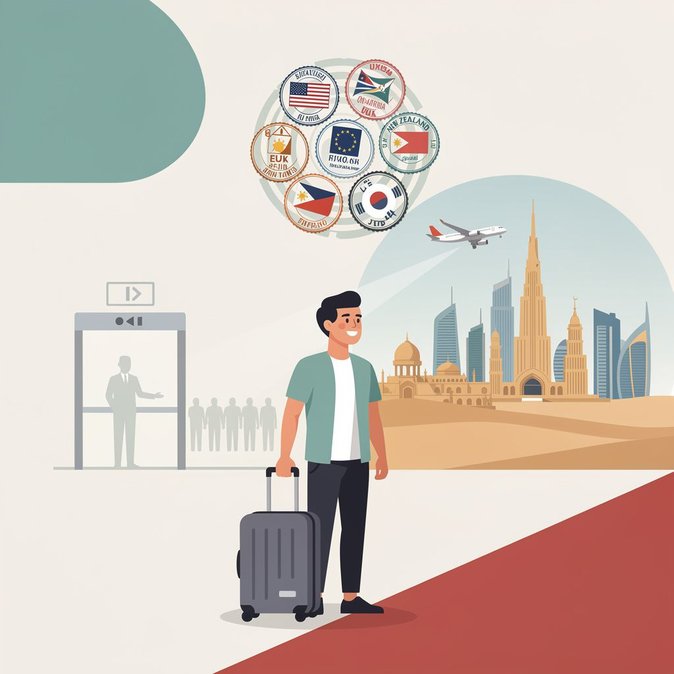
UAE grants Filipinos visa-on-arrival from 25 June under new reciprocity scheme
Starting 25 June 2026, Filipino passport holders with a valid U.S., EU, UK, Canadian, Australian, New Zealand, Japanese, Singaporean or South-Korean visa or PR card can obtain a UAE visa on arrival for 14 or 60 days. The policy restores reciprocity, shortens lead-times for business and leisure trips and is likely to boost Philippine visitation and crew-change traffic via the UAE.

UAE expands visa-on-arrival scheme to six new nationalities
Effective 25 June 2026, nationals of Indonesia, Vietnam, Thailand, the Philippines, Kenya and South Africa can receive a 14- or 60-day UAE visa on arrival if they also hold a valid long-term visa or residence permit from select developed economies. The move simplifies short-term travel, boosts tourism and eases corporate mobility into the Emirates’ commercial hubs.
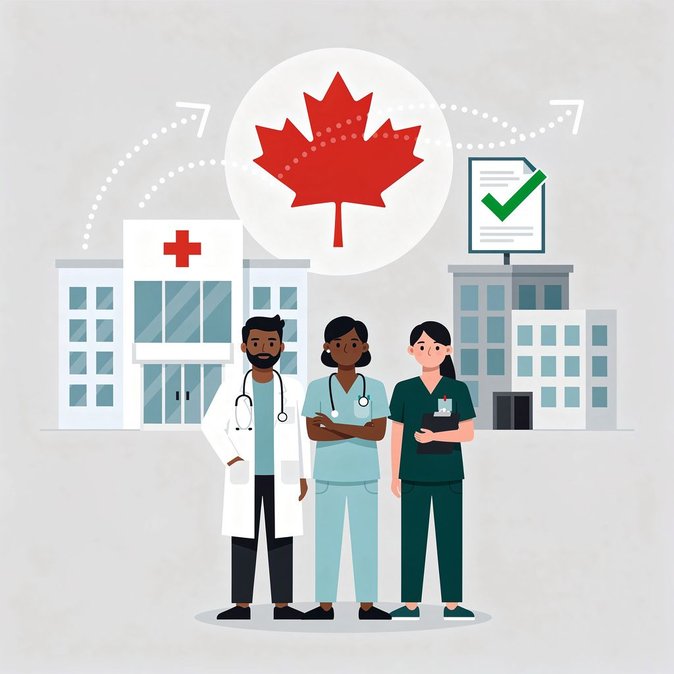
IRCC invites 271 physicians in targeted Express Entry draw, lowest CRS 223
On June 24 IRCC issued 271 Invitations to Apply to doctors with Canadian work experience, setting a record-low CRS cut-off of 223 for 2026. The physician-only draw supports Canada’s health-workforce strategy and gives hospitals a faster path to retain foreign-trained talent.
Swiss Lawmakers Seek Entry Ban for EU Citizens With Criminal Records
On 25 June 2026 the Swiss Senate backed a motion to refuse residence permits to foreign nationals—including EU/EFTA citizens—who have prior criminal convictions. While aimed at enhancing public safety, the measure could lengthen permit processing times and put Switzerland on a collision course with its free-movement obligations, affecting companies that transfer staff into the country.