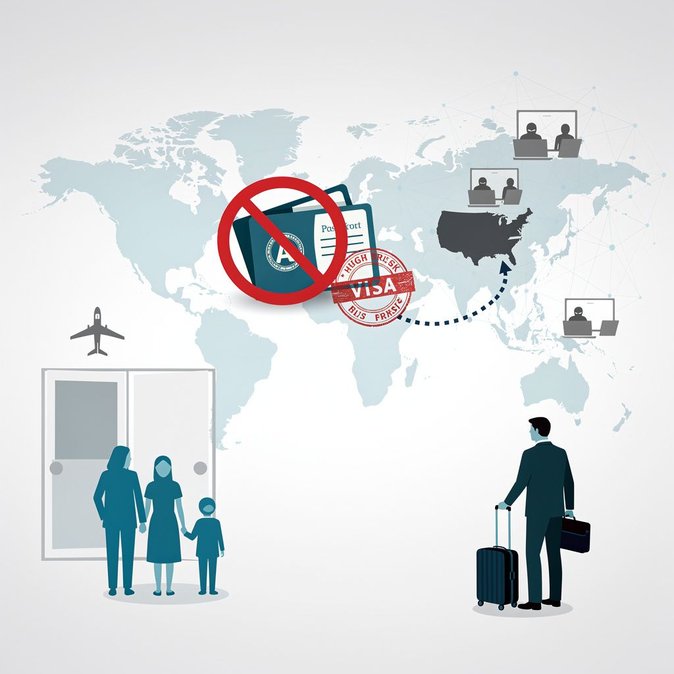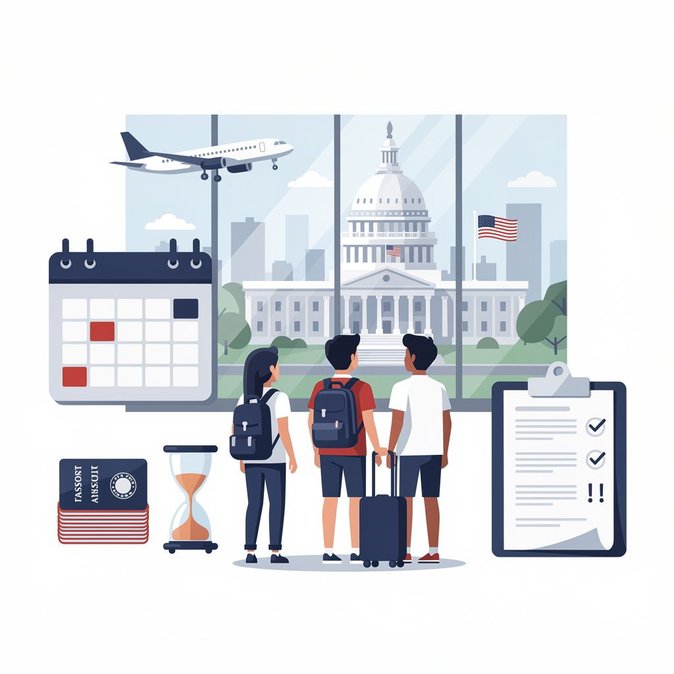
American colleges are racing to brief their international student communities after the Department of Homeland Security (DHS) published a Final Rule that abolishes the open-ended “duration-of-status” admission for F-1 and J-1 visas and replaces it with fixed periods of stay of up to four years. The regulation, issued on 17 July and effective 15 September, also trims the post-completion grace period from 60 to 30 days and limits I-visa admissions to 240 days (90 days for Chinese journalists). Over the weekend, Columbia, Yale, Penn, Washington, Cornell and Carnegie Mellon circulated urgent notices recommending that students currently abroad cut summer travel short and re-enter the United States before 15 September. Doing so means their existing I-94 cards—marked “D/S”—remain valid until the end date of their academic programme, shielding them from the new clock. Those who enter after 15 September will instead receive an I-94 with a hard stop, forcing extensions through Form I-539 and potentially triggering unlawful-presence penalties if deadlines are missed. Advisers are particularly concerned about research-focused doctoral students whose programmes routinely exceed four years, as well as J-1 post-doctoral fellows who cycle through multiple short-term projects. Universities say they will need to track thousands more extension filings each year, burdening international offices already coping with backlogs from pandemic-era staffing cuts. Employers that rely on curricular practical training (CPT) and optional practical training (OPT) will likewise have to monitor visa clocks more closely to avoid work-authorization gaps. DHS argues the shift brings student and exchange categories in line with other non-immigrant classes that have explicit admission periods and will strengthen compliance. Schools counter that the rule increases administrative costs and discourages mobility at a time when rival countries such as Canada and the UK are actively recruiting talent. Several higher-education associations are weighing a legal challenge but acknowledge the timeline is tight. In the meantime, students planning August trips home for family visits, research or conferences face difficult choices: return immediately, cancel travel or risk landing back in the U.S. under the stricter regime. University advisors recommend carrying proof of program length, funding and satisfactory progress to facilitate admission and, where possible, scheduling elective international travel after the fall semester.
Source: VnExpress International