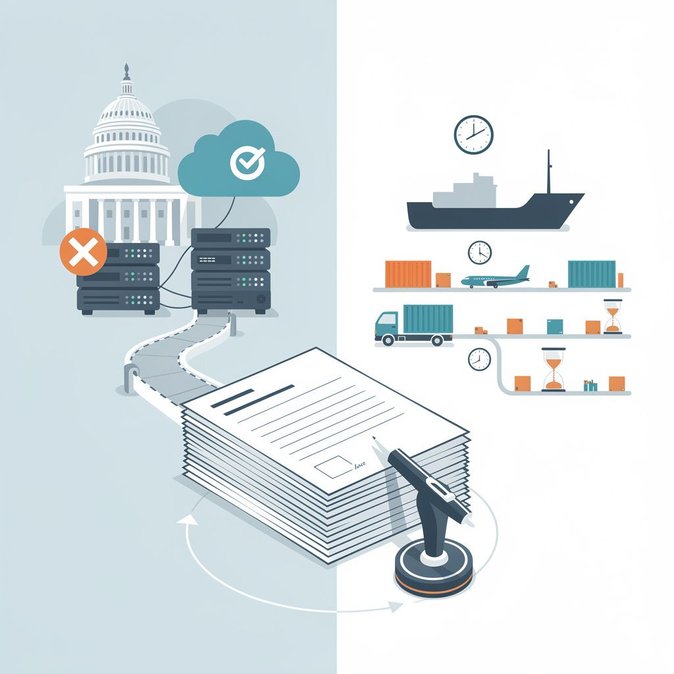
Several federal digital platforms—including the Portal Único Siscomex, Compras.gov.br, SICAF and the SCDP travel-authorisation system—went offline at 07:00 Brasília time on 25 July as part of a planned migration to Brazil’s new alphanumeric CNPJ business-registration format. The maintenance window is scheduled to last until 07:00 on Monday 27 July. During the outage, ministries have reverted to paper-based or contingency procedures for import/export filings, government travel approvals and procurement payments. For global companies, the greatest mobility impact stems from Siscomex unavailability. Importers who had not pre-lodged electronic declarations before the cut-off must now use the older Declaração Simplificada de Importação (DSI) form, potentially adding 24–48 hours to customs clearance. Time-sensitive hand-carry shipments—common for oil-and-gas and manufacturing projects—face similar paper bottlenecks at ports and airports. Domestic agencies are also processing travel per diems and air-ticket purchases for federal employees manually via the SCDP fallback workflow. Corporations that second staff to Brazilian ministries or rely on joint inspection visits could see meetings rescheduled if tickets cannot be issued until the systems return. The Finance Ministry argues the upgrade is essential: the alphanumeric CNPJ paves the way for harmonised company identifiers compatible with OECD standards and cross-border blockchain trade-documents. However, trade bodies such as Associação Logística Brasil have criticised the choice of a peak shipping weekend for the cut-over and are lobbying for longer parallel-run periods in future IT projects. Practical advice for mobility professionals includes checking whether couriers have filed DSI or DSE paperwork, adjusting delivery timelines, and monitoring airline reservation queues for government fare blocks that might spill into commercial inventories once SCDP comes back online.