Schengen Entry/Exit System: EU spells out who is exempt ahead of Belgium’s busiest travel week
Gordie Howe International Bridge officially opens, creating a new high-capacity gateway between Windsor and Detroit
Gordie Howe International Bridge opens today, adding high-tech port of entry between Windsor and Detroit
Latest News

EU’s New Entry/Exit System Marks First Summer Peak—What Spain-Bound Travellers Need to Know
The European Commission confirmed on 27 July that the biometric Entry/Exit System (EES) is now logging every non-EU short-stay arrival and departure, including those at Spanish airports and land crossings. Airlines and mobility managers should expect longer queues for first-time enrolments this summer but faster processing for returning visitors. Exemptions apply to EU citizens and Spanish residence-permit holders. Companies must track cumulative Schengen days to avoid automatic over-stay alerts.
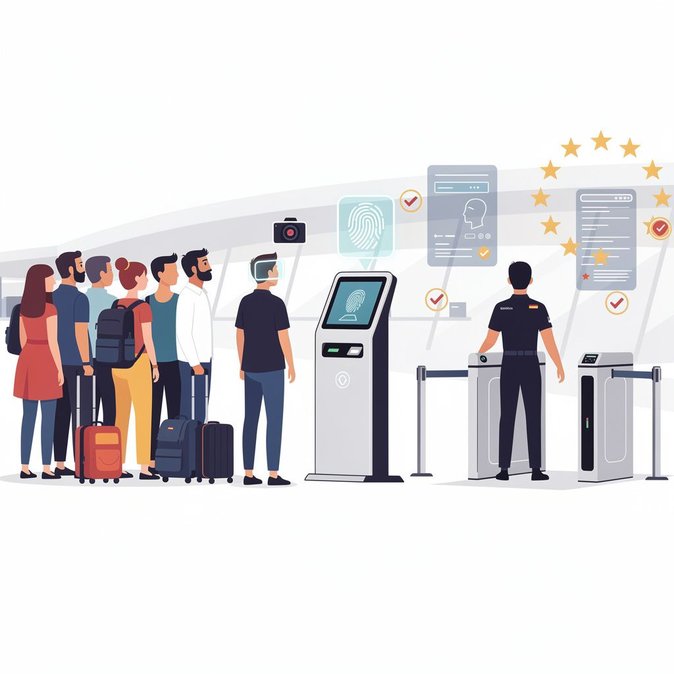
Schengen Entry/Exit System now live: what business travellers to Spain need to know
The EU confirmed on 27 July 2026 that the Entry/Exit System is fully operational at all Spanish external borders. Non-EU travellers now have their biometrics recorded, replacing passport stamps and automating 90/180-day calculations. Businesses must brief staff on the new process and monitor stay durations to avoid automatic fines.
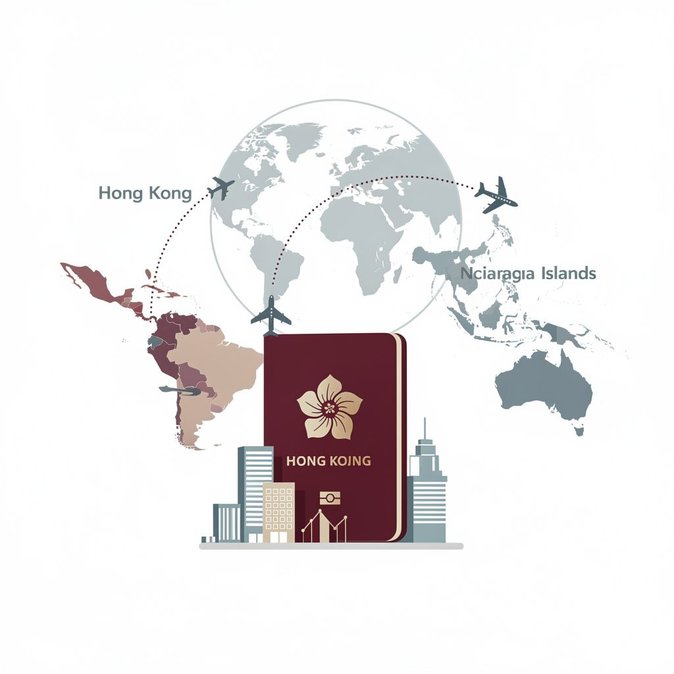
Hong Kong Passport Holders Gain 30-Day Visa-Free Access to Nicaragua and Solomon Islands
Effective 27 July, HKSAR passport holders can travel visa-free to Nicaragua and the Solomon Islands for up to 30 days, with reciprocal privileges for citizens of those states. The agreement raises Hong Kong’s tally of visa-free/VOA destinations to 178 and is expected to simplify market-entry trips for Hong Kong companies engaging with Belt & Road economies.

UAE Temporarily Closes Parts of Its Airspace Amid Regional Escalation
The UAE closed portions of its airspace on 27 July 2026 following a fresh spike in regional security threats. The move forced airlines to cancel or reroute flights and triggered contingency planning for stranded travellers. Companies should anticipate schedule volatility and ensure employees transiting the UAE have flexible travel and visa arrangements.
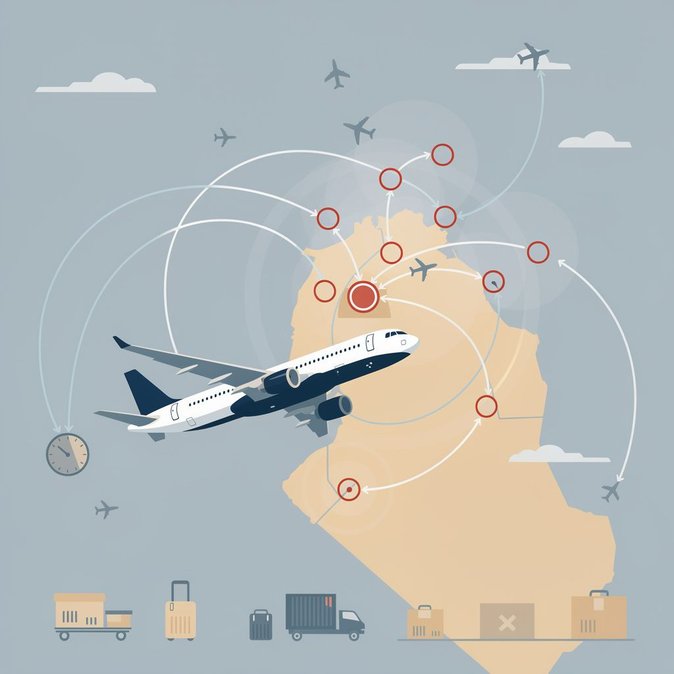
UAE Partially Closes Airspace in Precautionary Move Amid Regional Tensions
The UAE’s civil-aviation regulator imposed a partial airspace shutdown on 27 July 2026, citing regional security risks. Flights are still operating but on restricted routings, causing delays and potential knock-on effects for cargo and passenger itineraries. Companies with travellers or assignees in the UAE should expect schedule changes, higher costs and extra compliance administration until the measure is lifted.

EU Entry/Exit System passes first 100-day milestone as exemptions clarified
The European Commission announced that the biometric Entry/Exit System, operational since 10 April 2026, has already registered 145 million border crossings. On 27 July it issued a definitive list of travellers exempt from registration, including Belgian residence-permit holders and long-stay visa (D) holders. Business visitors and other short-stay non-EU nationals will be fully tracked, making day-count compliance critical for companies moving staff into Belgium.

IRCC transition binder reveals aggressive digital overhaul of Canada’s immigration platforms
IRCC’s newly released 2026 Transition Binder lays out an accelerated timetable for replacing its aging immigration IT systems. The Digital Platform Modernization programme promises a single online account, embedded AI decision-support and paperless visas, with Express Entry moving to the new system later this year. Employers should prepare now for faster—but more data-driven—processing.

China Pledges Further Visa-Free Transit Expansion and Fully Digital Border Services
A senior Public Security Ministry official announced that China will widen its visa-free transit and regional visa-free entry schemes and shift most immigration processes online by 2027, aiming to sustain the sharp rebound in foreign arrivals. The overhaul will simplify short-term business trips and permit renewals, but companies must adapt compliance systems to the new digital environment.

EU issues last-minute clarifications on who is exempt from the new Schengen Entry/Exit System
The European Commission published fresh guidance on 27 July clarifying which travellers are exempt from biometric enrollment under the new Schengen Entry/Exit System. Family members of EU citizens who hold a residence card, diplomatic passport holders and air-crew are among those spared. The clarification should shorten queues at German airports and allows mobility managers to fine-tune travel policies.
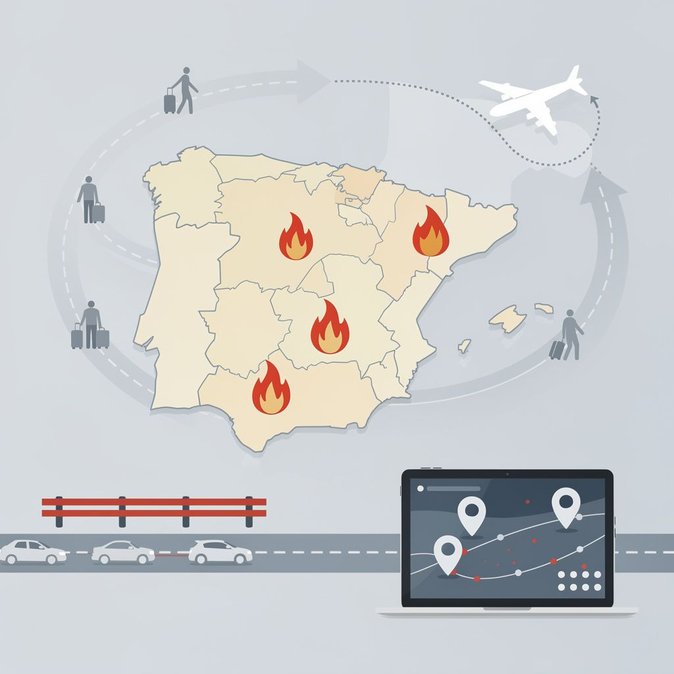
Spain declares national wildfire emergency: travel disruption and evacuation logistics
Spain upgraded its multi-regional wildfires to a national emergency on 27 July, triggering large-scale evacuations, road closures and airline flexibility policies. While major airports remain open, businesses should expect last-minute route changes and activate traveller-tracking protocols.
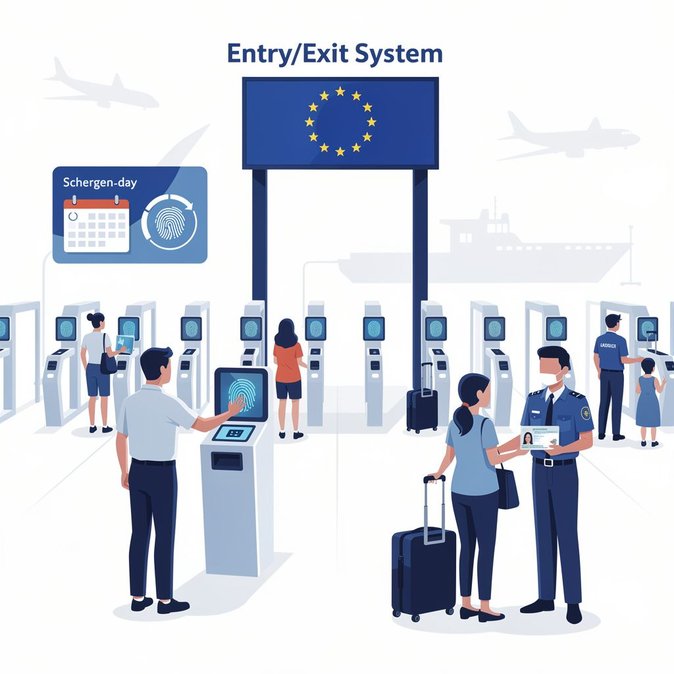
EU clarifies exemptions as Entry/Exit System reaches full swing at Spanish borders
The European Commission issued a detailed update on 27 July confirming that EU long-stay visa and residence-permit holders, airline and maritime crew and certain special categories are **exempt** from biometric enrolment under the new Entry/Exit System. Spain’s airports processed their first high-season weekend fully under EES with minimal disruption, but employers must now monitor Schengen-day counts more rigorously because passport stamping has ended.

EU clarifies Entry/Exit System exemptions as French airports brace for summer surge
The European Commission published fresh guidance on 27 July clarifying which travellers are exempt from the new Schengen Entry/Exit System. Long-stay visa holders, French residence-card holders and certain micro-states’ citizens will not be biometrically registered. As France gears up for a record August travel season, airports are adding e-gates and companies are urged to brief mobile staff to avoid delays and compliance risks.

Italian police smash nationwide ‘pay-for-permit’ ring; 22 arrests across 10 provinces
Police and financial investigators have broken up a ring that sold Italian work-residence permits for up to €10,000 each, filing hundreds of fake job offers under the Decreto Flussi. Twenty-two people were arrested and €2.3 million in assets seized. Companies using external agents are advised to strengthen compliance controls as authorities review more than 1,200 suspect permits.
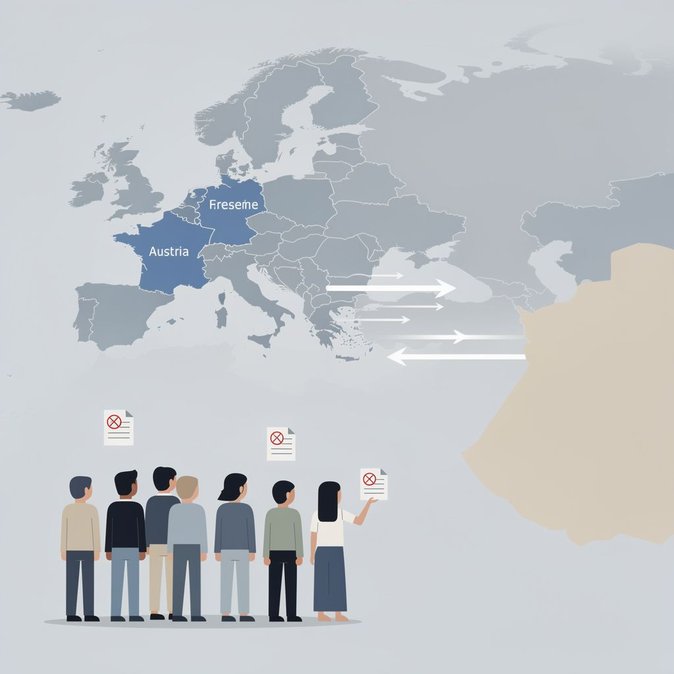
Austria plans overseas ‘Return Hubs’ for rejected asylum-seekers from 2027
Chancellor Christian Stocker announced that Austria, together with partner states such as Greece, will establish EU-permitted “Return Hubs” for rejected asylum-seekers in third countries starting in 2027. The plan is intended to speed up removals, keep asylum numbers low and free resources for skilled-worker immigration, but it faces legal and humanitarian criticism.

Australia and Singapore sign Protocol on Economic Resilience that also paves way for upgraded Air-Services Agreement
Canberra and Singapore signed a wide-ranging protocol on 27 July 2026 that secures fuel and other essential supplies and instructs officials to upgrade the bilateral Air Services Agreement. The deal adds a new Economic Resilience Dialogue and deepens border-management cooperation—moves that should translate into more flights, faster customs processes and steadier supply chains for companies operating between the two hubs.

Brazil denies visas to visiting U.S. officials amid election tensions
Brazil refused visas for two senior U.S. State Department envoys scheduled to discuss election issues in Brasília, citing sovereignty and reciprocity. The move signals that Brazil is ready to leverage visa policy in diplomatic disputes, raising the risk of future denials or processing slow-downs for U.S. travelers. Companies should build additional lead-time into Brazil travel plans and monitor bilateral relations.
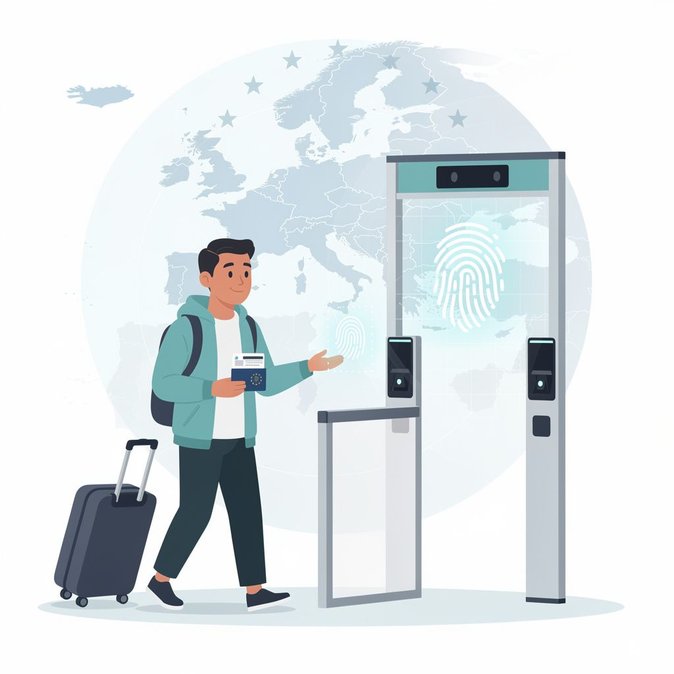
EU clarifies Entry/Exit System exemptions; Cyprus residence-permit holders must still register biometrics
The European Commission has confirmed that long-stay visa and residence-permit holders issued by Cyprus are still subject to biometric registration under the EU’s Entry/Exit System. The clarification ends confusion over exemptions and means Cyprus-based expatriates must enrol fingerprints and facial images when passing through Schengen frontiers. Companies should update travel briefings immediately, as failure to register can result in fines or denied boarding.