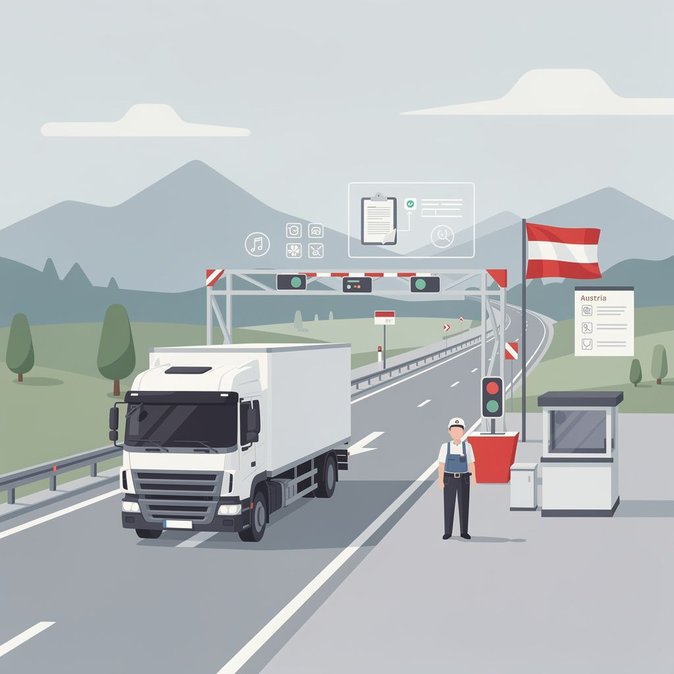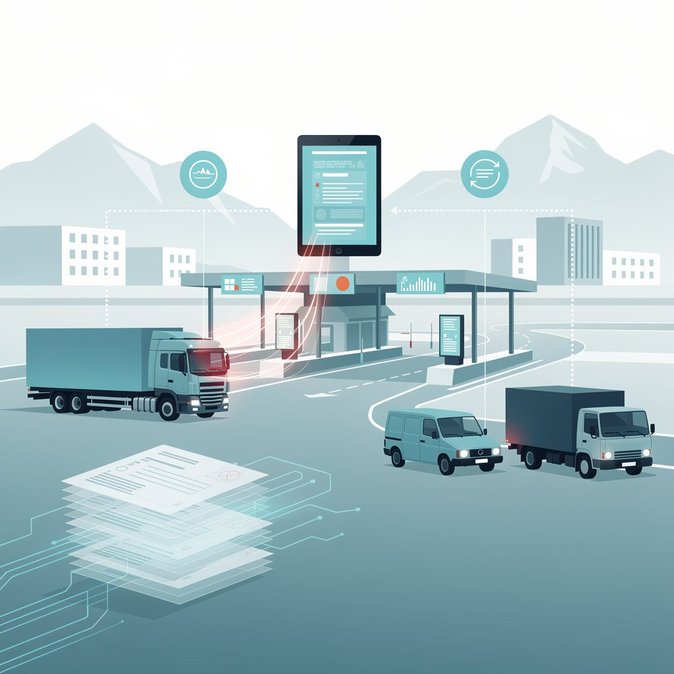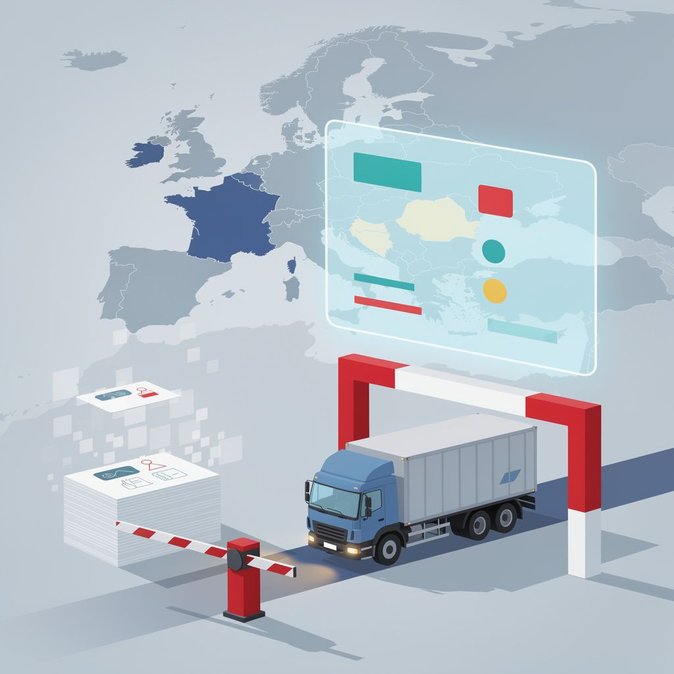
Austria’s Ministry of Finance quietly but decisively moved its flagship Smart Border Austria programme into the next phase this week. In a status update published on 28 July, customs authorities confirmed that **all remaining paper-based “Laufzettel” transit slips will be abolished as of 8 September 2026**, after which freight forwarders must use the fully digital processes that now cover entry, exit and rolling-corridor procedures at the Vorarlberg land frontier. The announcement is the clearest signal yet that Vienna intends to finish the migration to end-to-end electronic customs processing before the winter peak. The upgrade matters because Austria is a vital north-south and east-west freight corridor. By pushing carriers onto the Smart Border platform, the customs service expects faster truck throughput, fewer physical checks and richer data for risk analysis. With the “goods-location corridor” already mandatory since July 2024 and digital transit entries compulsory since January 2026, most large logistics firms are prepared; smaller hauliers, however, now have barely six weeks to integrate XML messaging (IEATBT44/43) into their systems or outsource the task to customs brokers. Failure to comply will mean refused entry or fines at the busy Tisis, Höchst and Lustenau posts. Beyond September, customs plans a staggered roll-out of the **“border-crossing light” self-service lanes**, starting 25 August at Höchst and concluding 22 September at Hohenems. These lanes pair automatic number-plate recognition with pre-lodged declarations, mirroring low-touch passenger e-gates at airports. A pilot of the “rolling corridor” — which lets pre-vetted trucks clear exit formalities while in motion — begins the same week. If successful, the model could be replicated on Austria’s eastern borders with Slovakia and Hungary in 2027. For multinationals, the deadlines carry practical implications: ERP and transport-management systems must be patched to transmit the new IEATBT messages; drivers need QR codes or RFID fobs linked to each consignment; and origin shippers must register for Austrian EORI numbers if they have not already done so. Customs advisers recommend dry-runs in August to avoid disruptions during the 1 December nationwide go-live. Passenger traffic is unaffected for now, but the project dovetails with Austria’s preparation for the EU Entry/Exit System at airports next spring, signalling a broader push toward data-driven border management. Politically, Vienna’s digital border strategy aligns with its current EU Council presidency agenda of “smart security without new walls.” By demonstrating that technology can tighten controls while keeping goods flowing, Austria hopes to bolster its case in Brussels for phasing out long-running German spot checks on the Walserberg corridor — a perennial gripe for Austrian exporters. Whether Berlin is convinced may hinge on how smoothly Smart Border Austria handles this autumn’s traffic surge.