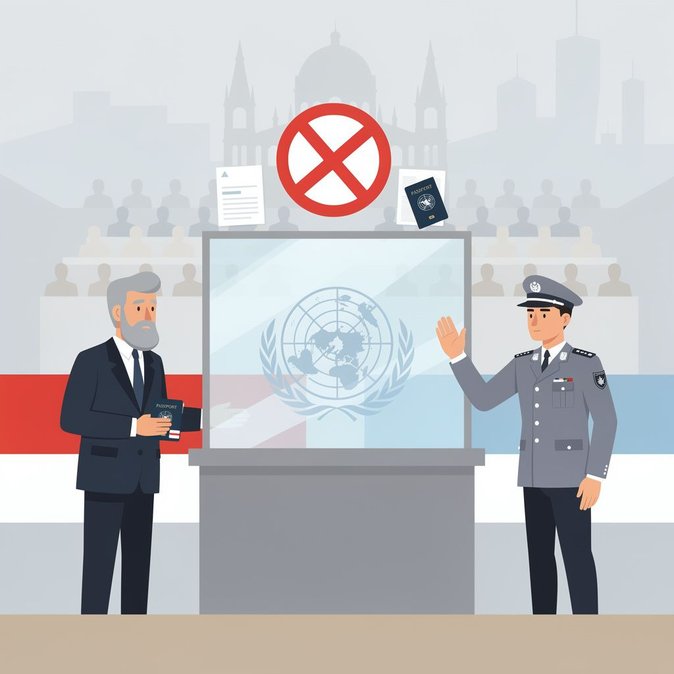
A diplomatic row erupted on 14 September after Austria, acting on a UN Security Council decision, refused to issue a visa to Mohammad Eslami, head of Iran’s Atomic Energy Organisation, preventing him from attending the annual International Atomic Energy Agency (IAEA) General Conference in Vienna. The Austrian Foreign Ministry said it had sought a waiver to the UN travel ban on Eslami, but the sanctions committee rejected the request after the United States objected. Iran’s ambassador to the IAEA, Reza Najafi, denounced the move as a “serious breach” of host-country obligations under the UN Headquarters Agreement, summoning the Austrian chargé d’affaires in Tehran for an explanation. Russia sided with Iran, accusing Austria of “grossly violating” its responsibilities as host to the UN’s Vienna-based organisations. Washington, however, argued that granting the waiver would erode leverage over Tehran, which still restricts IAEA inspectors’ access to bomb-damaged nuclear facilities. The incident highlights the complex intersection between global mobility rules and international sanctions. While UN host nations are generally expected to facilitate access for all accredited delegates, individuals under Security Council measures require unanimous exemption—a hurdle rarely overcome in today’s polarised geopolitical climate. For multinationals moving sanctioned executives through Austria, the message is stark: political clearance cannot be assumed even for high-profile events. Practically, the dispute had an immediate ripple effect on conference logistics. Several Iranian technical experts travelling on ordinary passports were delayed for enhanced screening at Vienna International Airport, and event organisers scrambled to reconfigure speaking slots. Companies that planned bilateral meetings with Iranian energy officials on the conference sidelines reported cancellations, illustrating how last-minute visa denials can disrupt business engagement. Longer term, Austria’s tough stance could set a precedent for other UN host states, increasing uncertainty for sanctioned individuals seeking to attend multilateral gatherings. Firms that rely on such meetings for compliance talks or negotiations should build contingency plans, including remote participation options and early submission of visa paperwork to allow time for political review.
Source: ORF .at