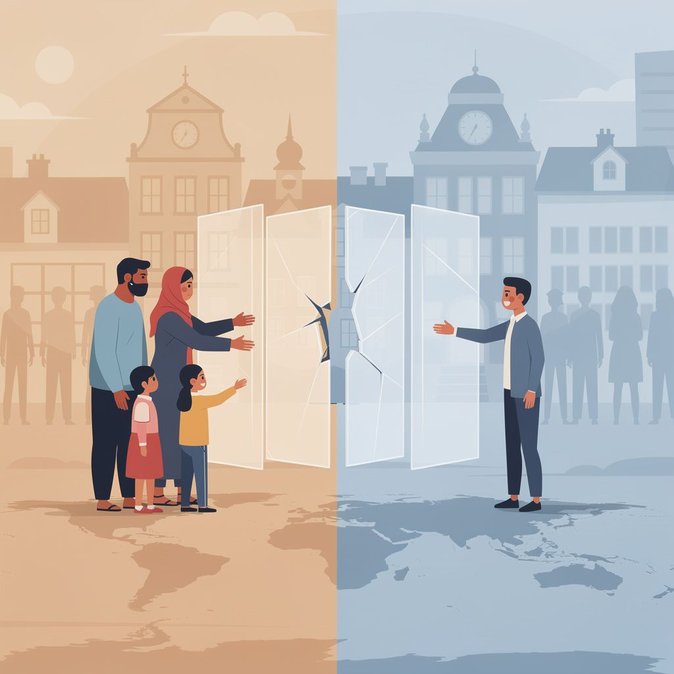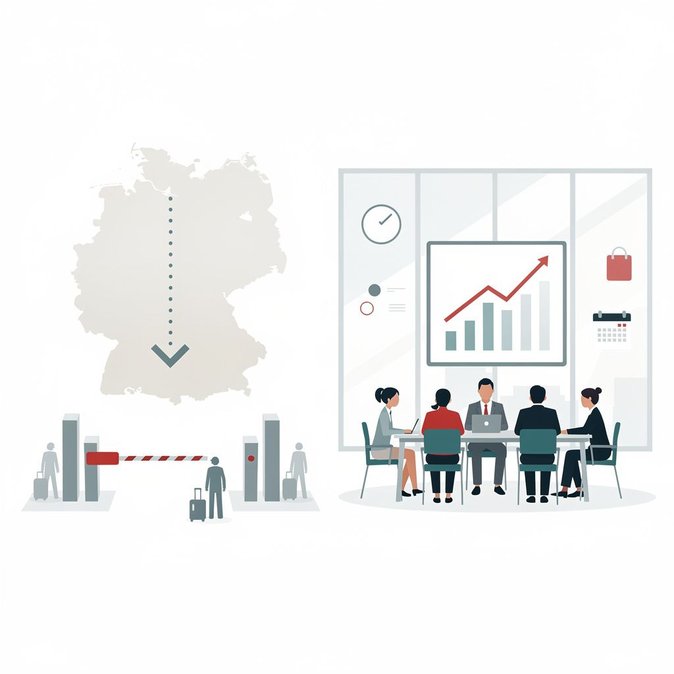
New data released by the Federal Office for Migration and Refugees (BAMF) show that only 47,296 first-time asylum applications were filed in Germany between January and August 2026. If the trend holds, the annual total could dip below 100,000 for the first time in 14 years. Interior Minister Alexander Dobrindt hailed the numbers as proof that the government has turned a ‘migration wave into a migration turn’. Analysts are more circumspect. Hannes Schammann, migration scholar at the University of Hildesheim, notes that asylum flows fluctuate with events in origin countries; fewer departures from Syria, Afghanistan and Ukraine account for much of the decline. The EU’s reformed Common European Asylum System (GEAS), which entered into force in June, has yet to show measurable impact, he says. Policy measures do play a role. Germany has tightened land-border controls, accelerated deportations and—most controversially—suspended family reunification for certain refugee categories. Supporters say the tougher stance discourages secondary movement; critics warn it may push some migrants underground, complicating labour-market integration and security screening. For employers, leaner asylum inflows remove some pressure on municipal housing but do not solve skilled-labour shortages. Human-resources departments relying on humanitarian talent pipelines must factor in longer lead-times and explore alternative channels such as the EU Blue Card or the new ‘Opportunity Card’ points system that takes effect in January 2027. Looking ahead, experts caution against complacency. Climate shocks and geopolitical crises can quickly reverse migratory patterns. The BAMF itself projects that applications could rise again once conflicts in Sudan and Myanmar drive outward movement. A resilient corporate mobility strategy therefore still requires scenario planning and diversified recruitment routes.
Source: ZDFheute
How VisaHQ can help
VisaHQ simplifies the visa application process for individuals and businesses. Check current travel requirements, prepare the required documents and manage your application online through the VisaHQ Germany portal.More From Germany
View all
Germany Extends Internal Border Controls for Another Six Months, Testing Schengen’s ‘Exception’ Rule

German embassy in Tajikistan mandates online Auslandsportal for student and skilled-worker visas from 20 September