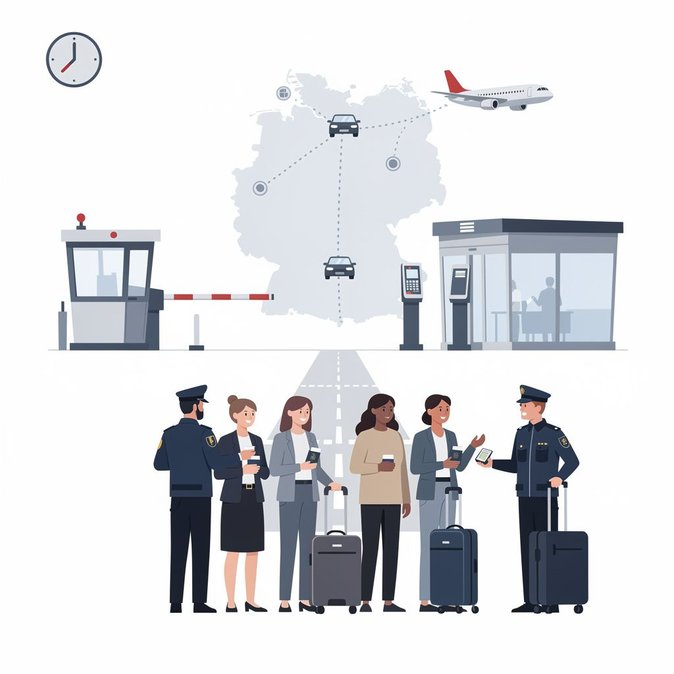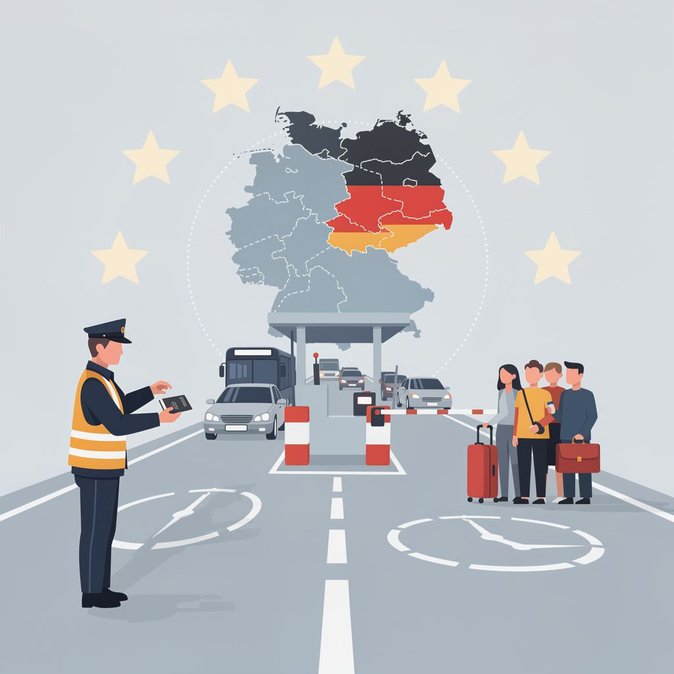
Germany has quietly entered a new phase of internal border checks that will last at least until 15 March 2027. The Federal Interior Ministry confirmed the move in a notice to the European Commission, citing continued irregular migration, smuggling networks and pressure on reception centres. In practice, anyone entering Germany by road, rail or river from all nine neighbouring countries can again be stopped and asked for ID—even though the frontiers are inside the Schengen zone. The latest extension means that systematic spot-checks have now run uninterrupted on Germany’s land borders for two and a half years. What began in 2024 as a temporary response to record asylum numbers has evolved into a rolling six-month cycle. Berlin insists the measure remains proportionate and is reviewed every quarter, but the European Commission issued a formal opinion in June questioning whether blanket controls on such a large perimeter are still justified. For business travellers and cross-border commuters the impact is tangible. Logistics firms running just-in-time supply chains between Cologne and the Dutch ports, auditors shuttling between Frankfurt and Luxembourg and tech workers who live in Wroclaw but code in Berlin all report journey times that are 15–30 minutes longer, plus occasional secondary inspections that can take an hour. Airlines have also been asked to verify passenger identity on some short-haul intra-Schengen flights to Germany, adding another layer of compliance. Corporate mobility managers now factor the extra buffer into itineraries, especially for executives transiting multiple Schengen countries in a single day. Immigration counsel warn that non-EU staff travelling on residence permits should carry originals rather than scans, because German federal police have temporarily withdrawn the option of presenting digital copies at the border. Companies that use van pools to move shift workers from neighbouring Poland or Czechia are advised to keep passenger manifests handy; fines for transporting undocumented migrants run up to €5,000 per person. The broader question is political. Eight other Schengen members—including Austria, Denmark and the Netherlands—are also operating internal checks, prompting fears that what EU law calls an "exceptional“ measure is becoming routine. Whether the practice fades next spring, or becomes semi-permanent, will shape the business travel landscape in Europe’s biggest economy for years to come.
Source: EU Today
How VisaHQ can help
VisaHQ simplifies the visa application process for individuals and businesses. Check current travel requirements, prepare the required documents and manage your application online through the VisaHQ Germany portal.More From Germany
View all
German embassy in Tajikistan mandates online Auslandsportal for student and skilled-worker visas from 20 September
Criticism mounts over Germany’s continued freeze on family reunification for subsidiary-protection refugees