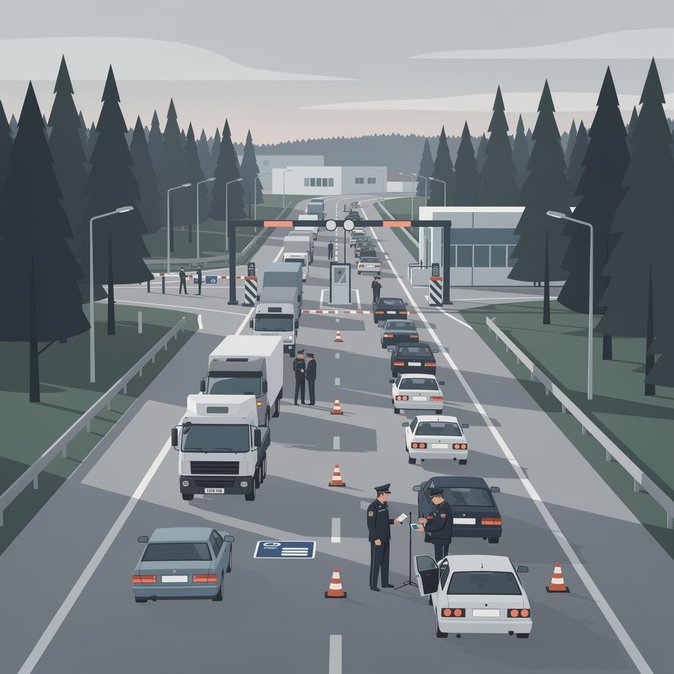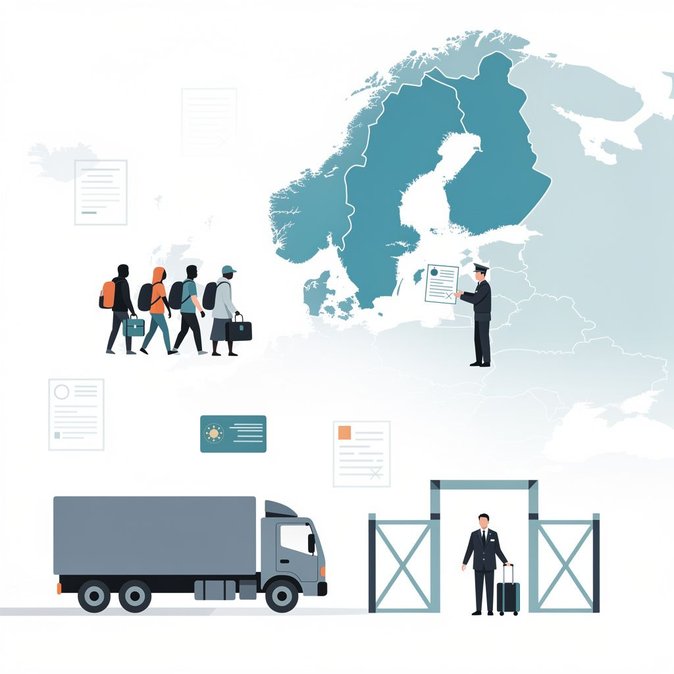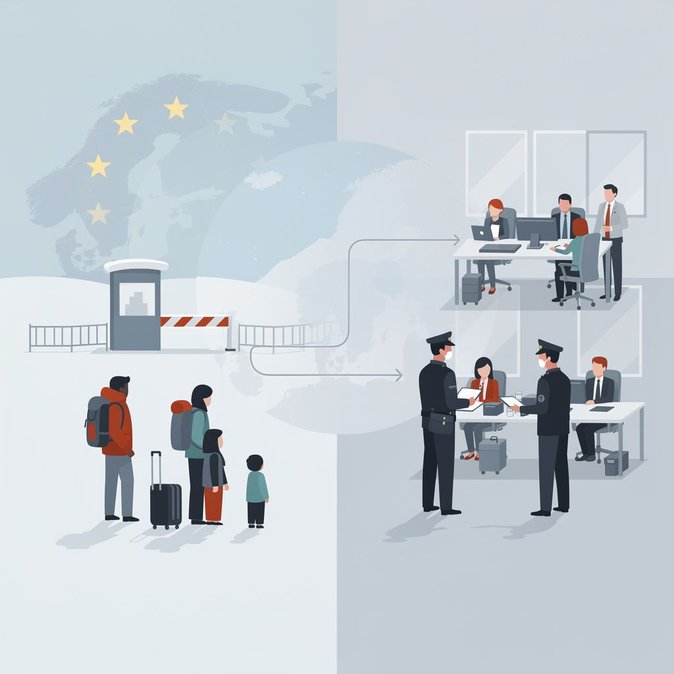
Finland’s Border Guard (Rajavartiolaitos) has confirmed that 550 people who originally crossed the EU’s external border illegally went on to enter Finland without authorisation in 2025—a figure that officials say is “at least being matched” in 2026. The statistic was disclosed in an interview with Colonel Matti Pitkäniitty, deputy head of border security, and published by the national news consortium Uutissuomalainen on 23 September. Under Schengen rules, people who have no lawful right to remain in the area must stay in the first member state that processes their case. Movement northward nevertheless remains attractive because Finland is perceived as a “transit country” toward Sweden or, ultimately, Central Europe, Pitkäniitty noted. Many of the 550 cases involved migrants arriving by ferry or coach from Baltic states, with forged or missing documents only detected during internal spot-checks at rail terminals and bus depots. Why it matters for companies: A rise in secondary movements raises the political temperature around the re-imposition of internal border controls. The current government has already signalled it may re-introduce temporary ID checks on the Finland–Sweden land border during peak periods. Any such decision would lengthen commuting times for cross-border workers in Tornio-Haparanda and increase HR compliance duties for firms that employ posted EU workers. Corporate immigration advisers also warn that overstayed or lapsed visas among subcontractors can trigger fines of up to €30,000 per worker. Mobility managers should audit supply-chain partners—particularly in construction, agriculture and hospitality—where sub-contract labour is common. The Finnish Immigration Service (Migri) recommends that employers use the Enter Finland portal to verify residence-permit validity before onboarding staff. Looking ahead, Helsinki supports EU-level plans to link Schengen Entry/Exit data with labour-inspectorate databases by 2027. In the interim, businesses should prepare for random workplace inspections and keep digital copies of employees’ permits readily accessible.
Source: Verkkouutiset